No cancellation fees. No hassle. Book Now, stay relaxed.Cancellation Terms
Upper Mustang Trekking

Starting from

$1,950$1,895/ person
Book Now ↓

Upper Mustang Trekking

Country

Nepal

Duration

17 Days

Difficulty

Moderate to Demanding

Max Altitude

4025m/13205ft

Style

Trekking

Status

March-June & Sept-November

Why Choose the Upper Mustang Trekking

Annapurna Adventure: Discover the Beauty and Culture of Nepal’s Treasured Region


Welcome to the Ultimate Annapurna Adventure

Welcome to the Annapurna region, a trekking paradise for adventurers seeking to immerse themselves in Nepal's breathtaking landscapes and vibrant culture. The Annapurna region offers an experience like no other, combining the thrill of trekking with the beauty of nature and the richness of local heritage. Join us as we explore this magnificent land, where each step unveils a new wonder and every moment is an opportunity for discovery.


Cultural Significance: The Heartbeat of Annapurna

The Annapurna region is a treasure trove of cultural diversity, showcasing a unique blend of Tibetan and Nepalese influences. Trekkers will encounter ancient monasteries, colorful prayer flags fluttering in the wind, and traditional villages that have preserved their way of life for generations. The region's cultural significance is deeply rooted in its spiritual and historical background, with its people carrying forward traditions that have shaped the area’s identity. As you traverse through the trail, you will have the chance to witness the harmonious coexistence of Tibetan Buddhism and Hindu practices, creating an enriching cultural tapestry that reflects the spirit of Annapurna.


Natural Beauty: Annapurna’s Stunning Landscapes

The Annapurna region is a land of stunning natural beauty, where diverse landscapes paint a picturesque backdrop for your trekking adventure. From lush green valleys and terraced fields to dense rhododendron forests, the Annapurna trails showcase nature’s artistry at its finest. As you ascend higher, you’ll be greeted by the awe-inspiring sight of snow-capped peaks, including the majestic Annapurna I, standing tall as the tenth-highest mountain in the world. The changing scenery—ranging from verdant meadows to rugged mountain paths—provides trekkers with a visual feast, making every step of the journey celebrate nature’s magnificence.


The Annapurna Trekking Experience: A Journey for Adventurers

The Annapurna region offers an exhilarating and rewarding trekking experience, making it perfect for those with moderate trekking skills. The trails are designed to challenge and invigorate, but they are feasible to trekkers who have a basic level of fitness and a love for the outdoors. With its well-marked paths and diverse routes, the Annapurna trek allows adventurers to navigate through varying terrains, including river valleys, mountain passes, and high-altitude meadows. The journey combines physical exertion with the joy of exploration, encouraging trekkers to push their limits while being surrounded by nature’s splendor. Whether you are an experienced hiker or someone looking for an introduction to trekking, the Annapurna region promises an unforgettable experience that blends adventure with breathtaking scenery.


Engaging with the Local Communities: A Cultural Immersion

One of the most enriching aspects of trekking in the Annapurna region is the opportunity to interact with local communities. The trail passes through traditional villages where trekkers can engage with the warm and welcoming people who call this region home. From enjoying authentic Nepalese cuisine in local tea houses to participating in village rituals, the trek provides a platform for cultural exchange and understanding. The people of the Annapurna region, with their distinct dialects and customs, offer trekkers a chance to gain insight into a way of life that has remained unchanged for centuries. These interactions not only enhance the trekking experience but also leave lasting memories, as you connect with individuals who share stories of their heritage and hospitality.


The Purpose of the Annapurna Trek: Adventure, Spirituality, and Achievement

Trekking in the Annapurna region is more than just a physical journey; it is a path to personal discovery and achievement. For some, the trek is an adventure that tests physical endurance and mental strength, while for others, it is a spiritual exploration. The tranquil environment and the presence of ancient temples and monasteries provide a setting for those seeking spiritual growth or mindfulness. For many, the trek is a personal milestone, an opportunity to achieve something meaningful and memorable. Whatever your purpose, the Annapurna trek offers a transformative experience that resonates with the spirit of adventure and the quest for self-discovery.


Create Unforgettable Memories: Join the Annapurna Trek Today

Are you ready to embark on a journey that will leave you with unforgettable memories and a deeper appreciation for nature and culture? The Annapurna trek invites adventurers from all walks of life to experience its beauty, challenges, and rewards. Whether you are drawn to the region for its cultural richness, its majestic landscapes, or the thrill of trekking, this adventure promises an experience that is as enriching as it is exhilarating. Join us on this incredible journey, and discover the wonders of the Annapurna region while creating stories that you will cherish for a lifetime.

Prepare yourself for an adventure that will not only challenge your body but also uplift your spirit. The Annapurna trek is your gateway to a world where nature’s beauty and cultural heritage intertwine, offering a profound and immersive experience. Don’t miss the chance to be part of this remarkable journey—book your trek today and let the Annapurna region captivate your soul.

Trip Summary

DayDestination & ActivitiesDistanceTimeMountain Seen
1

Arrival at Tribhuvan International Airport → Kathmandu (1,400m)

10 km30 minsOn a clear day: Langtang Lirung, Ganesh Himal (from flight)
2

Sightseeing in Kathmandu (1,400m)

N/AN/AOn a clear day: Langtang Lirung, Ganesh Himal (from flight)
3

Drive Kathmandu → Pokhara (900m)

200 Km6-7 hrsManaslu, Annapurna ranges
4

Fly Pokhara → Jomsom (2,700m) → Trek to Kagbeni (2,800m)

11 km3-4 hrsNilgiri, Dhaulagiri
5

Kagbeni (2,800m) → Chaile (3,050m)

14 km5-6 hrsNilgiri, Tilicho Peak
6

Chaile (3,050m) → Geling (3,500m)

12 Km5-6 hrsAnnapurna, Nilgiri
7

Geling (3,500m) → Charang (3,620m)

10 km4-5 hrsNilgiri, Annapurna
8

Charang (3,620m) → Ghar Gumba (3,920m) → Lo Manthang (3,810m)

13 km6-7 hrsAnnapurna I, Dhaulagiri
9

Exploration Day in Lo Manthang (3,810m)

10 km4-5 hrsNilgiri, Annapurna
10

Lo Manthang (3,810m) → Yara (3,650m)

16 km6-7 hrsMustang Himal
11

Yara (3,650m) → Tange (3,370m)

14 Km6-7 hrsDamodar Himal
12

Tange (3,370m) → Tetang / Chusang (3,022m)

18 km7-8 hrsNilgiri
13

Tetang / Chusang (3,022m) → Muktinath Temple (3,760m)

12Km5-6 hrsDhaulagiri, Nilgiri
14

Muktinath (3,760m) → Jomsom (2,700m)

18Km6-7 hrsNilgiri, Dhaulagiri
15

Fly Jomsom → Pokhara (900m)

N/A20 minsAnnapurna, Dhaulagiri (aerial)
16

Drive Pokhara → Kathmandu (1,400m)

200Km6-7 hrsTrishuli river views
17

Final Departure – Kathmandu

10Km30 minsHimalayan aerial views

Detailed Upper Mustang Trekking Itinerary

Cost Details

Price Includes

Arrival & Departure Logistics

  • Airport pick-up and drop-off service in Kathmandu
  • All ground transportation as per itinerary (private vehicle Kathmandu–Pokhara–Kathmandu)

Domestic Flights

  • Round-trip scenic flight: Pokhara ↔ Jomsom (including airport taxes)

Accommodation

  • 3-star category hotel in Kathmandu (BB plan – twin sharing)
  • Tourist-standard hotel in Pokhara (BB plan – twin sharing)
  • Teahouse/lodge accommodation during the trek (twin sharing basis)

Meals During Trek

  • Full board meals (Breakfast, Lunch, Dinner) during trekking days
  • Seasonal fresh fruits after dinner (where available)

Permits & Entry Fees

  • Upper Mustang Restricted Area Permit
  • Annapurna Conservation Area Permit (ACAP)
  • All necessary government taxes and paperwork

Guide & Staff

  • Experienced, licensed, English-speaking trekking guide
  • Strong porter support (1 porter for 2 trekkers, max 20–22 kg)
  • Guide & porter wages, insurance, meals, accommodation, and equipment

Trekking Support & Equipment

  • Company duffle bag (to be returned after trek)
  • First aid medical kit carried by guide
  • Oximeter for daily oxygen saturation monitoring
  • Trekking route briefing and safety management

Miscellaneous Services

  • Assistance in arranging rescue operations in case of complicated health conditions (funded by the traveler's insurance)
  • All official expenses and service charges

Price Excludes

International Travel & Visa

  • International airfare to/from Kathmandu
  • Nepal entry visa fees

Meals Outside Trek

  • Lunch and dinner in Kathmandu & Pokhara (except breakfast)
  • All beverages during the trek (tea, coffee, soft drinks, alcohol)

Personal Expenses

  • Personal trekking equipment (down jacket, sleeping bag, etc.)
  • Wi-Fi, battery charging, hot showers during trek
  • Laundry, phone calls, tips, and personal shopping

Insurance & Emergency

  • Travel insurance (must cover high-altitude trekking & emergency evacuation)
  • Rescue and evacuation costs (covered by your insurance policy)

Unforeseen Costs

  • Flight delays/cancellations (especially Jomsom flights)
  • Extra accommodation/meals due to itinerary changes, weather, or strikes
  • Early return from trek or unused services

Tips & Gratuities

  • Tips for guide and porter (expected but not mandatory)
Altitude in:
Scroll to view full route

Scenic Highlights Along the Upper Mustang Trekking

  1. Exploring the Kali Gandaki River valley
  2. Forbidden kingdom of Mustang
  3. Picturesque views of the Himalayas
  4. Enjoy the astounding views of tall mountains, including Annapurna, Dhaulagiri, Nilgiri, and others
  5. A visit to Lubra Village gives you an insight into Bon religion which is older than Tibetan Buddhism
  6. Explore the unique caves, ancient monasteries, Gumbas and Chortens
  7. Scenic flight to and from Jomsom

Additional Information

Oxygen level Chart- Upper Mustang Trekking


Day Route & Places Passing Altitude (m) Approx. Oxygen Level (%)
01 Arrival in Kathmandu 1,400 84%
02 Kathmandu Sightseeing 1,400 84%
03 Drive to Pokhara 900 90%
04 Fly to Jomsom → Kagbeni 2,700 – 2,800 72%
05 Kagbeni → Tangbe → Chaile 3,050 69%
06 Chaile → Samar → Geling 3,500 65%
07 Geling → Ghami → Charang 3,620 64%
08 Charang → Ghar Gumba → Lo Manthang 3,810 – 3,920 62%
09 Exploration: Namgyal Gompa, Tingkhar 3,810 62%
10 Lo Manthang → Dhi → Yara 3,650 63%
11 Yara → Luri Gompa → Tange 3,370 66%
12 Tange → Tetang / Chusang 3,022 68%
13 Chusang → Muktinath Temple 3,760 63%
14 Muktinath → Kagbeni → Jomsom 2,700 72%
15 Fly to Pokhara 900 90%
16 Drive to Kathmandu 1,400 84%
17 Departure from Kathmandu 1,400 84%


What Upper Mustang Trekking has to offer?

Upper Mustang Trekking 17 days: Detailed Overview


Difficulty Level

The Upper Mustang trek is considered moderate to challenging, with diverse terrain that includes steep ascents, rocky paths, and high-altitude passes. Trekkers need a moderate level of physical fitness due to the high elevations, which can reach up to 4,000 meters. Prior trekking experience is recommended to ensure safety and enjoyment throughout the journey.

Exploring the Upper Mustang Trek: A Journey into the Hidden Kingdom of Lo

The Upper Mustang Trek is a once-in-a-lifetime adventure that takes trekkers deep into the remote and mystical lands of Nepal's Trans-Himalayan region. Often called the "Last Forbidden Kingdom," Upper Mustang offers a unique blend of stunning landscapes, ancient Tibetan Buddhist culture, and challenging yet rewarding trekking trails. This trek is more than just a physical journey; it’s a spiritual and cultural immersion, making it a perfect choice for adventurers seeking an authentic Himalayan experience.


The Enchanting Beauty of the Upper Mustang Treks

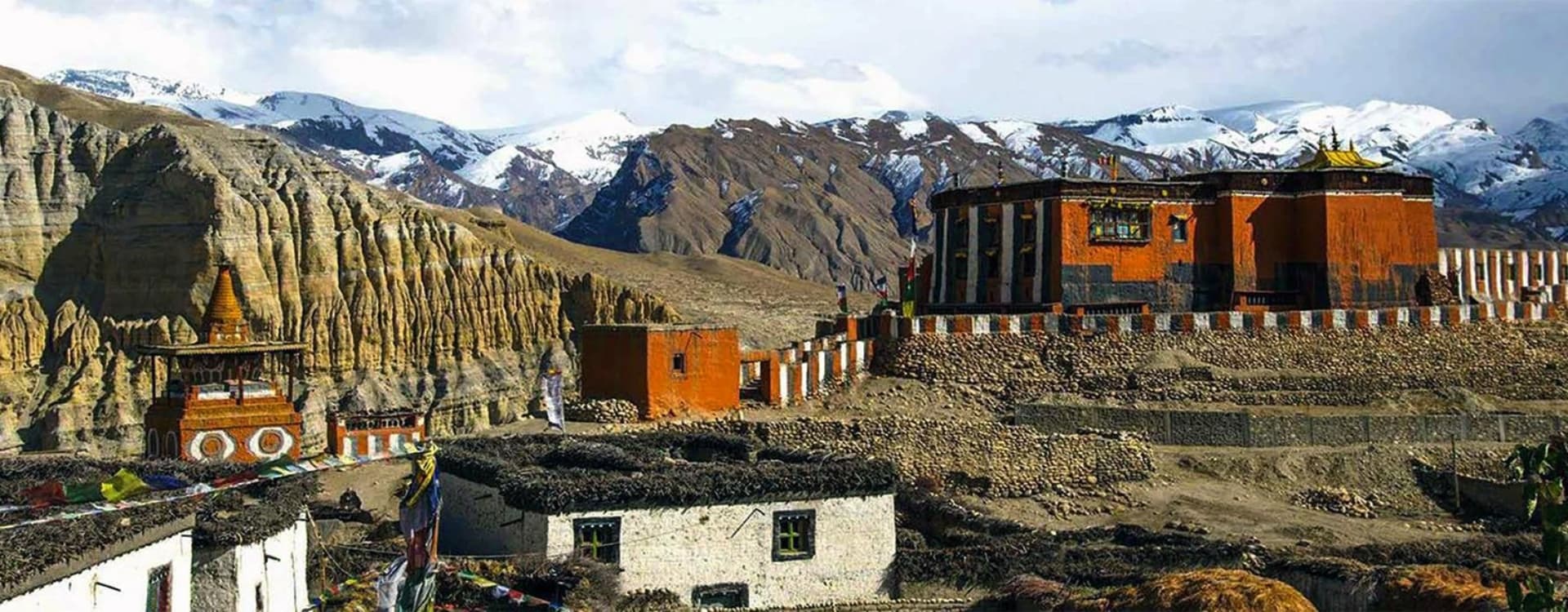
The Upper Mustang Treks leads through some of the most breathtaking terrains in the world. As you trek, you’ll encounter rugged cliffs, deep canyons, and colorful rock formations shaped by wind erosion over centuries. The barren desert-like landscape, punctuated by snow-capped peaks like Dhaulagiri and Nilgiri, creates a mesmerizing contrast that will leave any nature lover in awe. Along the way, trekkers pass through remote villages and ancient monasteries, where the timeless culture of the Tibetan Buddhist community thrives.

The trek starts from Jomsom, following the Kali Gandaki River, and ascends to the ancient walled city of Lo Manthang—the heart of Upper Mustang. Here, trekkers can explore hidden caves, witness local festivals, and engage with the warm-hearted locals who continue to preserve their traditions despite the encroaching modern world. This remote region offers an opportunity to step back in time and witness a way of life largely untouched by the outside world.


Cultural Significance of the Upper Mustang Trek

The cultural richness of the Upper Mustang Trek is as captivating as its natural beauty. This region was once part of the independent Kingdom of Lo, and its isolation has helped it maintain its cultural heritage. Tibetan Buddhist monasteries, such as Ghar Gompa and Tsarang Gompa, are scattered throughout the trek, providing insight into the spiritual life of the local people. Monks continue to chant their prayers, and colorful prayer flags flutter in the wind, symbolizing peace and good fortune.

The spiritual essence of this trek is further highlighted by the sacred pilgrimage site of Muktinath, where both Buddhists and Hindus come to worship. The ancient traditions of Thakali and Tibetan communities are evident in the local architecture, cuisine, and daily rituals. Exploring these cultural landmarks allows trekkers to not only witness but also participate in the age-old customs that have been passed down through generations.


Trekking Experience: Adventure Awaits

The Upper Mustang Trekking offers an exhilarating blend of physical challenge and cultural exploration. The trail passes through steep gorges, rocky paths, and high-altitude passes, making it suitable for trekkers with moderate experience and a good level of physical fitness. While the trekking distance varies day to day, the average walking time is around 6 to 8 hours, with plenty of breaks to admire the scenery and interact with local communities.

The altitude gradually rises as you move deeper into Upper Mustang, reaching over 4,000 meters at some points. To ensure safety, acclimatization days are built into the itinerary, allowing trekkers to adapt to the higher altitudes and minimize the risk of altitude sickness. Our guides, well-versed in the terrain and local culture, provide the necessary support to make the journey both safe and enjoyable.


Community and Local Interaction

One of the most enriching aspects of the Upper Mustang Treks is the opportunity to engage with the local communities. As trekkers journey through villages like Tangbe, Chaile, and Geling, they are welcomed by locals eager to share their stories, traditions, and hospitality. Many of these villages have remained unchanged for centuries, offering a rare glimpse into a lifestyle shaped by the harsh yet beautiful Himalayan environment.

Trekkers stay in traditional teahouses, where they can enjoy authentic Thakali and Tibetan cuisine, such as dal bhat and momos. These experiences not only provide nourishment for the journey but also foster connections with the locals, making the trek a cultural exchange as much as an adventure. Trekkers are encouraged to participate in local festivals and events, such as the Tiji Festival in Lo Manthang, where ancient rituals and dances are performed to drive away evil spirits.


The Purpose of the Upper Mustang Trekking

The Upper Mustang Trek appeals to adventurers for various reasons, from the thrill of exploration to the pursuit of spiritual enlightenment. Some embark on this journey to witness the incredible natural beauty and test their physical endurance in one of the most remote regions of Nepal. Others come to connect with the spirituality that permeates every corner of Upper Mustang, visiting sacred monasteries and engaging in meditation amidst the serene landscapes.

For those interested in cultural exploration, this trek offers a chance to experience the unique fusion of Tibetan and Nepalese influences. The preserved traditions and untouched culture provide a living history lesson for those eager to learn. Whether your goal is personal achievement, spiritual growth, or cultural understanding, the Upper Mustang Trek is a transformative experience that leaves a lasting impact.

Accommodation Overview for Your Journey

Having the right accommodations can make all the difference when it comes to enjoying your trek. From modern comforts in the city to rustic charm on the trails, here’s what you can expect during your journey.

Kathmandu Accommodations

In Kathmandu, you’ll stay at Hotel Kathmandu Suite Home, a cozy 3-star property that combines modern amenities with traditional Nepali charm. If the hotel is unavailable, a similar 3-star option will be arranged to ensure your comfort isn’t compromised. With comfortable rooms and warm service, this is the perfect place to relax amidst the capital’s vibrant energy.

Pokhara Accommodations

In Pokhara, your stay will be arranged at Hotel Mountview, another well-rated 3-star option known for its welcoming atmosphere and well-equipped rooms. Should this hotel be unavailable, you’ll be booked into an equivalent 3-star hotel offering the same high standard of service. Pokhara’s peaceful ambiance makes it the ideal spot to prepare for the trekking adventure ahead.

Teahouse Accommodations on the Trek

Once you begin trekking, accommodations shift to traditional teahouses. These are simple yet cozy lodgings, typically offering a basic room with a bed and a small table. Your guide will always aim to secure the best available teahouse in each village, ensuring your stay is comfortable and authentic.

What to Expect from Your Accommodations
  • Comfort and Safety: All accommodations are selected for cleanliness, safety, and positive guest feedback.
  • Central Locations: Hotels in Kathmandu and Pokhara are conveniently situated near major landmarks.
  • Local Hospitality: Teahouses provide a welcoming atmosphere and a chance to connect with Nepalese traditions.

Whether you’re relaxing in a city hotel or resting in a mountain teahouse, your accommodations are designed to balance comfort, practicality, and cultural immersion. Each night’s stay will leave you refreshed and ready for the adventures that lie ahead.

Meals during the trek

Meals while trekking are more than simple fuel for the body; they form an integral part of the event, nourishing not just the body but also the soul in relating to local culture. Each day begins with a warm, satisfying breakfast that the teahouse you stayed over at has prepared for you. The Nepali omelets, filled with chili, onions, and tomatoes, or a bowl of creamy porridge forms a comforting start to energize you. Another favourite is the Tibetan bread, which comes with honey or jam normally, easy yet satisfying to start the day. Have this meal with some hot Nepali spiced tea or salty Tibetan tea for a wanning and flavorful moment.

Lunch is a mid-day break to energize, usually held in small, locally-owned restaurants along the route. It is also an opportunity to be able to taste regional specialties based on Nepali and Tibetan cuisine traditions. In fact, the staple of Dal Bhat - rice, lentil soup, and fresh vegetables, is frequently requested because its balance is believed to have a nourishing effect. Another favorite dish is Thukpa, rich noodle soup, many think is particularly suitable during cold weather. Fried rice or noodles is another traditional staple which fills the belly but also soothes the eyes, all of this with scenery that will leave you standing in awe as you revive your energies for the journey ahead.

Dinner at the teahouse brings the welcome closing off of a long day on the trail. Soup, Momos-vegetable or meat-filled dumplings-substantial pasta or rice dishes, and Tibetan bread with nice but not too demanding sides are all common fare. Sweet seasonals-custard or stewed apples-help end another good day.

Due to the strenuous nature of trekking, fresh meat is a precious commodity, and any vegetarian meal is fresh and most hygienic. Fortunately, you will find plenty of lip-smacking vegetarian dishes that you will hardly miss any meal if you stick to the wholesome vegetarian diet. Also, Dal Bhat and Momos are some local dishes that will not only keep you energized but will also provide you with an authentic experience of Nepali and Tibetan flavors, and you will love your meals during the tour.

Dining in teahouses is not just about dining; it's about connections. Sitting together at tables brings trekkers, guides, and locals close to each other, creating a communal atmosphere with plenty of conversation and camaraderie. While Teahouses in Lower Mustang offer more variety as there are more tourists around, the places in Upper Mustang concentrate solely on local delicacies, offering you a more intimate and authentic taste of the region.

Refreshments are always available, catering to the needs of the trekkers. Hot drinks including black tea, milk tea, ginger tea or coffee keep you warm and hydrated while salty Tibetan tea is a unique twist for adventurous palates. Cold drinks such as soft drinks and mineral water are also available along the trail to make sure that the body is refreshed.

Food is freshly prepared in the teahouses, using simple yet wholesome ingredients to energize you for the challenges ahead. Moreover, to reduce ecological footprint, most teahouses give you boiled water or do not have bottled water, thereby forcing you to use a reusable filter or sterilization tool. The idea of preparing trail snacks, including nuts, chocolate bars, or energy bars, is also a smart proposition to get quick energy inputs between meals.

Eating on the trail isn't just about refueling but also about peeking into the way of life in the places you'll visit. Every bite takes you through local traditions and, when you share your dining space with someone, a moment of warmth and fellowship comes over meals. From the bold spices of Nepali dishes to hearty comfort in Tibetan cuisine, memories will just as readily spring forth from meals as they will from the landscapes you'll be touring. They're an integral part of why trekking in this extraordinary region is such a unique and special experience.


Transportation during the trek

Embarking on a trek in Nepal is an adventure like no other, and everything about your journey is planned with your comfort and enjoyment in mind. From the moment you arrive, every detail is taken care of so you can focus on soaking in the incredible landscapes and cultural experiences.

Your adventure begins on Day 1 with a warm welcome at the Kathmandu airport. A private car or van will take you directly to your accommodations, ensuring a stress-free start to your trip. The following day, you’ll explore Kathmandu’s vibrant streets and historic sites at your own pace, traveling in the comfort of a private vehicle.

On Day 3, you’ll journey from Kathmandu to Pokhara, either on a scenic tourist bus or in a private car. Along the way, you’ll pass terraced fields, rolling hills, and charming villages—perfect for taking in the beauty of Nepal’s countryside.

Day 4 marks the beginning of something extraordinary—a short flight from Pokhara to Jomsom. This is no ordinary flight; it’s a breathtaking ride over dramatic mountain ranges and deep valleys that sets the stage for the trek ahead.

For those who prefer a faster return, Day 14 offers the option of a jeep transfer from Muktinath to Jomsom, combining comfort with convenience. Then, on Day 15, you’ll fly back to Pokhara, enjoying once more the stunning aerial views. Later that day, you’ll have time to explore Pokhara’s serene lakes and lively marketplaces, all arranged with local transport for your convenience.

As your adventure is about to come to an end, Day 16 brings you back to Kathmandu via a scenic bus trip. It's the final leg of a journey that will leave you with vivid, unforgettable memories made along the picturesque countryside. Finally, on Day 17, it is smooth transfer to the airport, ensuring your departure as hassle-free and relaxed as your arrival.

You will have even more fun because you'll be accompanied by trekking experts who will lead and guide you through the process. Your porters are also multi-skilled; they know first aid and altitude safety, besides having a great reservoir of knowledge about the local history, culture, and environment. You will indeed get to know everything from each step you take. In the meantime, however, the porters lighten your load so you can focus on the beauty around you without worrying about where your gear is.

All that is linked with this journey is planned to provide the perfect experience with a carefully planned transportation and support team full of pleasant details. Its breathtaking scenery, smooth logistiking, and professional guidance will make this trek so much more than just a physical journey. This is an opportunity to deeply connect yourself with Nepal's incredible landscapes and rich heritage- something you will never forget.


Permits and Regulations for Upper Mustang Trekking

Upper Mustang treks are unlike any other on Earth. And yet, with this outpost's reclusive nature and strange environment comes the need for special permits and regulations. Not mere window dressing--an essential part of preserving the ecosystem there as well as defending traditions.

For Upper Mustang trekking, you will need three permits. First, there is a Restricted Area Permit. The area is restricted, and the fee is $500 for the initial 10 days and an additional $50 for each extra day. Next is the Annapurna Conservation Area Project Permit at about $27 (NPR 3000). This permit contributes to conservation, from trail maintenance to wildlife conservation in the local area. Lastly, a Trekkers Information Management System Card is required. It's a safety measure, costing $10 if you are trekking in a group or $20 if you are trekking alone .

The application processes are fairly straightforward but strictly regulated. Application for the RAP cannot be done individually; one has to go through a registered trekking agency from Nepal. You should also note that solo trekking is not allowed. You need to have at least another companion accompanying you when you apply, and you are also compelled to hire a licensed guide. You will need to provide a copy of your passport, two passport photographs, and an application form for you to start with. The agencies may ask for extra documentation, such as the registration certificate or a photocopy of their TIMS card. These procedures appear officious but are, in fact, sure and safe steps to responsible and sustainable tourism.

Issuing permits is another important feature of planning. The RAP is for 10 days, and if you are planning to stay beyond that, it has to be extended, which costs more. However, the ACAP and TIMS permit is for the whole duration of your trek. Bring all your permits; there are some checkpoints along the route that will ask for you to show them and without the documents, you could have problems traveling along the route.

There will also be surcharge for entrance fees. Some culturally significant sites such as monasteries or holy caves charge extra. These are usually pretty minor, though, and you pay them directly to the conservators of these integral monuments. Permits do vary with seasons; it's always a good idea to check out the current tariffs at your trekking agency.

The permit system is understood for much more than just access control. It conserves not only the environment but also the cultural setting of Upper Mustang. The region speaks to one of Nepal's most exceptional destinations with Tibetan inspirations, ancient monasteries, and untainted landscapes. The money raised through permits is funneled directly into conservations, infrastructural development, and generally supporting the community as a whole to make sure people coming in to visit as well as the locals have a vested interest in the area.

The trek to Upper Mustang is one that stands out from the rest for the fact of being part of something huge. Obeying the rules and respecting the policy of the region ensures that there will be a place in this world that is not anywhere else on earth. It is not just a hike; it is a chance to bond with a region that leaves an impression lingering so long on lucky souls who have experienced the pleasure of visiting.


Altitude and Acclimatization: How to Trek Safely in Upper Mustang

Understanding Altitude Understanding Altitude

The trekking in Upper Mustang takes you to breathtaking elevations that sometimes may touch 4,230 meters (13,780 feet) at Marang La Pass. The views, however, are simply breathtaking, but the risk is that the oxygen supply at the altitude may be inadequate. The body requires adjustment, where a person falls prey to altitude sickness, a condition that means he or she cannot clear his or her lungs properly owing to such a state of imbalance in breathing. Some experience headaches, nausea, dizziness, and shortness of breath. In extreme situations, people suffer confusion and fatigue. Knowing these risks and noticing the symptoms early on will help be safe and enjoy the trek.


Acclimatization Importance

Acclimatization is very essential for any trekker reaching high altitude. General guideline: ascend gradually and limit daily climbs to 500m or less. To rest daily is not only necessary for your health but gives you a chance to absorb the richness of culture along with overwhelming landscapes of Upper Mustang. Proper acclimatization ensures that you remain fit, alert, and able to enjoy the journey fully.


Hydration and Nutrition
Maintaining proper hydration is one of the easiest, yet most effective ways to conquer the challenges brought about by altitude. Dehydration at high altitudes can exacerbate the symptoms of altitude sickness; therefore, drinking adequate water throughout the day is important. Avoid caffeine and alcohol that contribute to dehydration. Having a balanced diet is equally essential. During summer months, no one must forget to have well-cooked vegetable meals as meat cannot be stored or prepared properly at high altitudes. Local favourite lentil soup, rice and fresh vegetables shall fill your senses with the warmth of Nepalese traditions.


Monitoring Your Health
Your Health Check Keeping tabs on your health during the trek is extremely important. You must immediately stop ascending if you feel any symptoms related to altitude sickness like headaches or shortness of breath. Often, rest and hydration will be enough, but if your condition worsens, then it is sensible to descend to a more leisurely altitude. You may also opt for medications like Diamox (Acetazolamide) either for preventing or treating altitude sickness, but these need to be agreed on by your doctor before your trek. Being proactive about your health will indeed make the experience much safer and more enjoyable.


Facing Environmental Challenges

The upper Mustang environment does come with its own challenges. The weather can be quite unpredictable-mostly strong gusts of wind and extreme drops in temperature especially at the higher altitude sometimes snow makes it quite difficult. Due to the arid climate, dehydration occurs quite fast therefore hydration is much more essential. Paths are rugged with rocky passages and steep elevation climbs hence proper physical fitness and a lot of balancing skills are required. Tackling all the challenges requires mental toughness, proper gear, and preparation.


Preparing Physically for the Trek
A preparation for a trek at high altitudes starts with some kind of physical conditioning. Cardiovascular exercises like running, swimming, or even cycling can build stamina and lung capacity. Strength training increases muscle endurance, which is necessary for climbing and backpack-carrying. Such activities as hiking or long walks will always prepare your body for the demands of trekking. You might not have any experience trekking, but you being physically fit makes the journey much more enjoyable.


Safe Mountain Trekking
To enjoy a safe and pleasurable Upper Mustang trek, here are some tips:

  1. Gradual Assent: Plan rest days and minimum altitude per day.
  2. Stay Hydrated: Drink water throughout the day to negate the side effects of high altitude.
  3. Listen to Your Body: Start watching out for symptoms of altitude sickness. Act immediately in case you catch them.
  4. Dress in Layers: Because temperature would fluctuate.
  5. Hire Experienced Guides: Local guides experienced in terrain and altitude will be of immense value.


Why Acclimatization Matters

It is not only about not falling sick but making the journey safe and enjoyable. This would allow the body to adjust, saving energy and regulating the concentration so that one will be able to enjoy the beautiful landscapes and the culture of Upper Mustang. By proper acclimatization, you should be able to face the challenges of the trek with the rewards it has in store.

It is trekking in Upper Mustang that is surely an experience of a lifetime. Therefore, to make the most of this, altitude-specific challenges have to be comprehended. Proper preparation, knowledge of one's health, and proactive measures may ensure safety but will also open up to one beauty and culture of this extraordinary region in the right approach, hence making this journey as memorable as it is rewarding.

Best Time for the Upper Mustang Trekking 17 days

Understanding the Best Seasons for Trekking
Deciding when to trek in Upper Mustang is one of the most important steps in planning your adventure. The best seasons—spring (March to May) and autumn (September to November)—offer perfect weather, clear skies, and well-maintained trails.


Spring Trekking (March to May)

Spring is considered one of the best times to trek in Upper Mustang. Daytime temperatures range between 10°C and 20°C (50°F to 68°F), making it comfortable to explore the trails. The season brings a unique charm to the region, with pockets of greenery and blooming flowers contrasting beautifully against the arid, red cliffs and rocky landscapes.

One of the highlights of trekking in spring is the Tiji Festival, celebrated in May in the ancient walled city of Lo Manthang. The festival, combined with the vibrant spring scenery, makes this season ideal for cultural and photographic enthusiasts.


Autumn Trekking (September to November)

Autumn is another exceptional time for trekking. The weather is stable, the skies are crystal clear, and the temperatures are as comfortable as in spring. Following the monsoon season, the air is clean, offering stunning views of snow-capped peaks and dramatic landscapes.

October, in particular, is a standout month. It’s the harvest season in Upper Mustang, and the villages buzz with activity as locals gather crops and prepare for the winter months. Trekking during this time offers a window into the agricultural traditions of the region, giving a deeper cultural dimension to your journey. The combination of perfect weather and lively village life makes autumn a favorite for many trekkers.


Weather and Trail Conditions

One of Upper Mustang's unique advantages is its location in a rain shadow region, meaning it receives very little rain even during Nepal’s monsoon season. This makes the trails dry and reliable, especially in spring and autumn. While daytime temperatures are mild, nights can be quite cold, particularly at higher altitudes. Packing layered clothing and a warm sleeping bag is essential to stay comfortable.

The dry trails in these seasons minimize the risk of slipping, making trekking safer. Additionally, the predictable weather patterns reduce the chances of disruptions caused by sudden storms or extreme conditions.


Cultural and Scenic Highlights

Upper Mustang is more than a trek; it's a passage through a cultural, Tibetan-Buddhist landscape. With the Tiji Festival in the spring-the full exuberance of rituals and celebrations among locals-it's possible to enjoy the excitement of harvest times in the autumn months for villages.

The natural attractions in the area are equally breathtaking. Red cliffs, prayer flags, mani walls, and ancient monasteries dominate the magnificent landscape of the Himalayas. For photographers, the interplay of light and shadow during the spring or autumn months provides ample opportunities to click fantastic landscapes in the area.


Best Months for Trekking: May and October

May and October have been widely considered as the best months for trekking in Upper Mustang. In both these months:

  • Accommodations: All are working with comfortable lodging and freshly prepared meals.
  • There are professional guides and porters available to support the journey.
  • The trails remain quieter than other popular routes, such as the Annapurna Circuit, even though more crowded than off-season. Visit in March and November as your alternative months of the trip.


Alternative Months: March and November

Quieter trails are better if you like March and November as substitutes. Early March is freshness personified because there are very few trekkers on the routes, but snow could still be present at higher heights. In November, calm post-autumn air prevails while the clear skies contrast the nights getting cold enough especially above 3,500 meters.


Why Upper Mustang is Special?

Without any doubt, the trek to the Upper Mustang is certainly one of the most unique journeys there are. It is a journey that covers a unique blend of cultural and natural beauty. Spring, characterized by colours, or autumn, with its serene ambiance, represents something different for any season.

Spring: Blooming landscapes, and Tiji Festival. Autumn: Sparkling air, with liveliness in the harvest season. With the spiritual landmarks of the region, the sheer magnificence of the mountainous outlook, and the warmth of the people's hospitality, trekking to Upper Mustang is sure to be one of the experiences that forever stays in your heart.


Safety and Acclimatization During the Upper Mustang Trek

Altitude and safety are important considerations during the Upper Mustang Trek. As trekkers ascend to elevations above 3,500 meters, the risk of altitude sickness increases. To mitigate this, the itinerary includes planned acclimatization days, such as the day spent exploring Lo Manthang. Our professional guides are trained to recognize the symptoms of altitude sickness and carry the necessary first-aid kits and emergency supplies. In the unlikely event of a medical emergency, helicopter evacuation services are available to transport trekkers to safety.

Health and Safety Considerations

Spring and autumn have temperatures which make gradual acclimatization safer, discouraging altitude sickness. Guides can vigilantly monitor trekkers, allowing them to have a stable pace while addressing their health issues. Staying hydrated, eating nutritious meals, and dressing for temperature changes are the ways to enjoying the trek safely.

Why Choose the Upper Mustang Treks?

The Upper Mustang Treks is not just another trekking route; it’s a journey into the heart of a hidden kingdom, where culture, spirituality, and nature converge. The trek provides the perfect balance of physical challenge, cultural exploration, and natural beauty, making it ideal for those who want a comprehensive Himalayan experience. With its blend of rugged landscapes, ancient monasteries, and welcoming communities, Upper Mustang offers an adventure that is as enriching as it is challenging.

Whether you are seeking the thrill of exploration, the serenity of spiritual reflection, or the joy of connecting with a new culture, the Upper Mustang Trek promises to be an unforgettable experience. Step into this timeless world, and let the magic of Mustang unfold before your eyes—one step at a time.


Upper Mustang Trekking Departures

Select Departure Date

Trip duration: 17 Days

May - Jun 2026

May 2026

Su
Mo
Tu
We
Th
Fr
Sa
1
2
3
4
5
6
7
8
9
10
11
12
13
14
15
16
17
18
19
20
21
22
23
24
25
26
27
28
29
30
31

June 2026

Su
Mo
Tu
We
Th
Fr
Sa
1
2
3
4
5
6
7
8
9
10
11
12
13
14
15
16
17
18
19
20
21
22
23
24
25
26
27
28
29
30
Your Trip
USD 1,950SAVE $55
USD 1,895/ person

Best Price Guaranteed

2-3 People
USD 0/ Person
4-5 People
USD 0/ Person
6-11 People
USD 0/ Person
12-15 People
USD 0/ Person
16+ People
USD 0/ Person

Speak to an Expert

Laxmi Malla
Hari Kumar Shrestha
Himal Shrestha
Shiva Kumar Shrestha
UR Ghale

Himal Shrestha

Director 🇳🇵

Meet Our Expert Guides

Shiva Kumar Shrestha

Shiva Kumar Shrestha

Managing Director & Senior Guide

20 years of experience

I am an experienced and knowledgeable Senior Guide who has accompanied countless travelers throughout their time spent hiking in Nepal. Beginning my working life in 2004 as a porter, I am now a government-licensed trekking guide in Nepal with many years of experience. I was born and raised in the mountainous region of Dhading, and as a result, I have an in-depth understanding of the region's history, traditions, culture, and festivals. I have extensive experience trekking in the Everest, Annapurna, Langtang, Manaslu, and Dolpo regions.
Deepak Gurung

Deepak Gurung

Trekking Guide

12 years of experience

I have more than ten years of experience directing hikers across the high terrain of the Nepal Himalaya. I was born and grew up in the Gorkha highlands, which has given me profound awareness of the mountains and the way of life of the people who live in them. I have led numerous expeditions to Everest Base Camp and other locations in the Everest and Annapurna ranges. I received training from the Nepal Academy of Tourism and Hotel Management (NATHM) as a Trekking Guide. I am especially skilled at directing groups of senior citizens and families with children.
Ramsaran Shrestha

Ramsaran Shrestha

Senior Trekking Guide

19 years of experience

Anyone who spends some time with me will eventually recognize me for the respectful and knowledgeable gentleman that I am. I started working as a hiking guide at the end of the nineties. Since 2004, I have been one of Nepal's Best Trekking Company's employees, and I currently have a position as one of the company's senior trekking guides. I am one of the most experienced, competent, and professional trekking guides, and I speak English fluently. I have traveled with trekking groups on an uncountable number of Nepal's trails.
Meena Karki

Meena Karki

Trekking Guide

13 years of experience

I am from the Kaski district in the Annapurna region of Nepal. Trekking has been my passion since childhood as I grew up seeing trekkers and hikers stepping up the trails for trekking adventures. Following my dreams, I took female trekking guide as my profession and now I have more than a decade of experience in this field. I have been to Everest, Annapurna, Langtang, Mustang and most of the trekking regions numerous times. With in-depth knowledge of routes, culture, and history, I ensure your trekking adventure is extra special.
Prakash Gurung

Prakash Gurung

Trekking Guide

8 years of experience

I am a young and enthusiastic guide with enough knowledge in guiding the Himalayas. Having sound experience in the trekking sector, I bring rich experience and readiness to assist trekkers with professionalism and dedication. I respect not only my own culture but also those of other communities. My unwavering commitment has been an enormous boon to the organization's ability to function smoothly. I recently received my license from the Ministry of Tourism Hotel Management tourist training center and have a certificate for providing first aid at high altitudes.
Ram Hari Dhamala

Ram Hari Dhamala

Trekking Guide

11 years of experience

I am a field member of Nepal's best trekking company with more than a decade of experience working in the field of travel and tourism. I am certified as a trekking guide and was brought up among the wondrous sights and sounds of Mother Nature in the picturesque town of Dhading. The rolling landscape complete with mountains, valleys, and rivers has always piqued my interest. Because of my deep love for the outdoors, I decided to pursue a career in tourism. My disposition is cordial and upbeat, and I am responsible and experienced.

Similar Packages

Now Offering 100% Private Treks

Explore Nepal's breathtaking trails at your own pace with our exclusive private treks. No strangers, no rushed schedules—just you, your adventure, and complete flexibility. Enjoy personalized itineraries, expert guides, and a safety-first approach designed for unforgettable experiences.

Tailor-Made Itineraries

Plan your trek exactly how you want it. Choose destinations, duration, and activities that suit you.

Dedicated Guide & Porter

Enjoy expert guidance and personal assistance every step of the way.

Safety & Health Focus

We ensure proper acclimatization, medical support, and emergency readiness.

Flexible Scheduling

Pick your own travel dates and move at a pace that suits your adventure style.

Privacy & Comfort

Ideal for couples, families, and friends who want a fully private experience.