No cancellation fees. No hassle. Book Now, stay relaxed.Cancellation Terms
Annapurna Base Camp Trek

Starting from

$950$999/ person
Book Now ↓

Annapurna Base Camp Trek

Country

Nepal

Duration

12

Difficulty

Demanding to Strenuous

Max Altitude

4130m

Style

Trekking

Status

Year Around

Why Choose the Annapurna Base Camp Trek

Step-by-Step Guide to the Annapurna Base Camp Trek

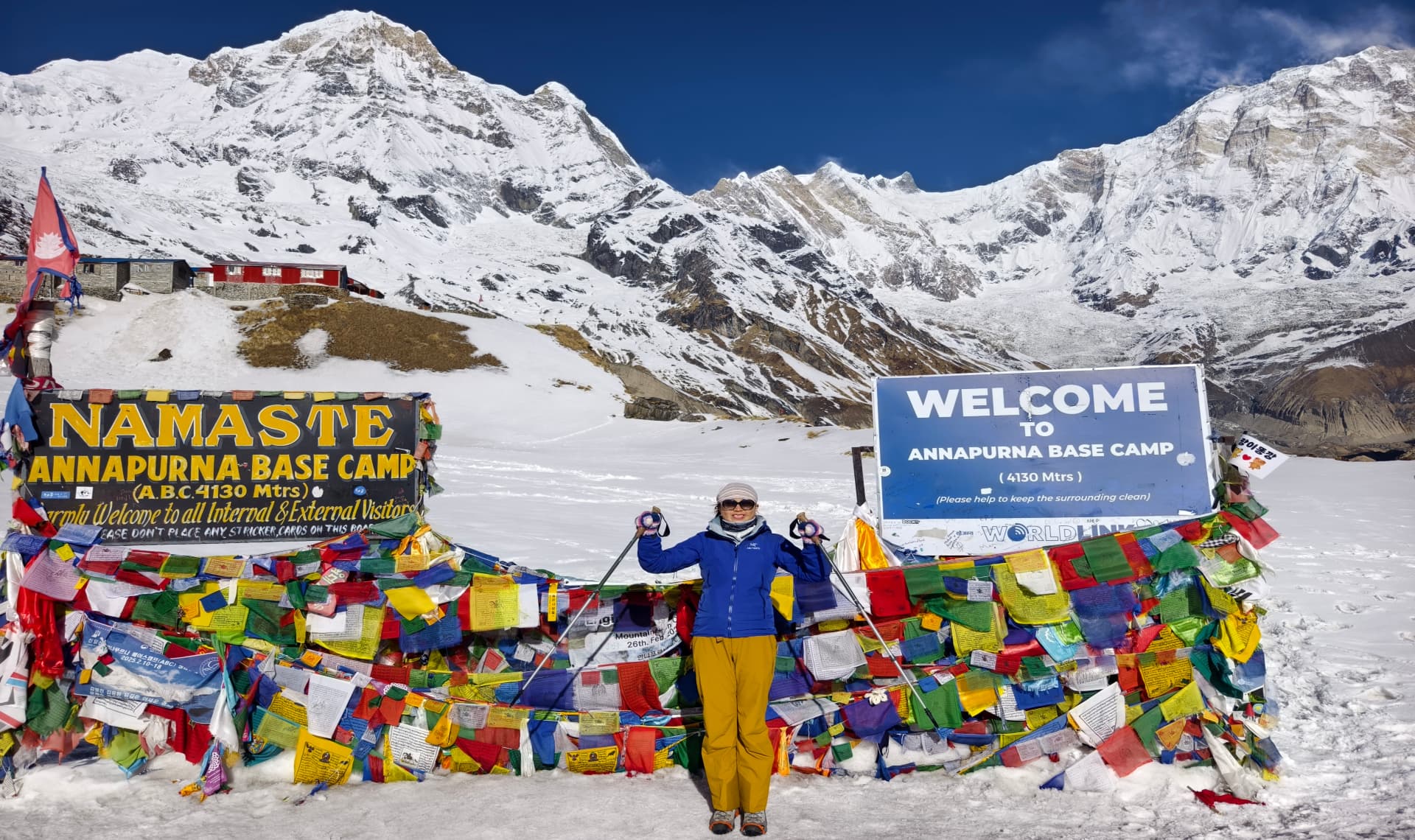
 Annapurna Base Camp Trek is a big-time rewarding trails in Nepal which is also known as the Annapurna Sanctuary Trek. The abc trek is filled with beautiful mountain views, cultural experiences, and low elevations to be one of the most popular trails in Annapurna, Nepal. Reaching the ABC Trek Nepal camp at 4,130 meters is something that many trekkers want to see before they have experienced the base of the great Annapurna range.

The usual Annapurna Base Camp Trek lasts for 7 to 12 days as it gives you unforgettable memories with lifetime experience with traditional step by step and deeply immersed journey into the nature. Numerous ascents begin with a trip in Pokhara to Nayapul or Ghandruk, and then proceed by a slow trek through Chhomrong, Dovan, and Deurali to base camp while enjoying scenic view and the rich local culture on the way.

A Short Annapurna Base Camp Trek is also an option, as the trek, which can be completed in less than a week and the trek is provided to time bound travelers who are willing to explore the Himalayas and experience the rich culture around the place but within short period of time and not as a traditional long trek that last longer than a week. So, we simply start this trek at Pokhara and reach Annapurna Base Camp. While we also offer the journey to begin from the capital city Kathmandu to Annapurna Base Camp, according to the willingness of the trekkers adding more days and costs to the trip.

Annapurna Base Camp Trek prices are based on the duration of the trek, lodging, and the choice of trekkers for hiring whether they want to hire a guide or a porter while we provide both the options. The overall price includes all of the other needs which include permits, meals, accommodation and transportations. Meanwhile starting your journey from Pokhara will be usually cheaper than starting from Kathmandu.

The best season to do is during the month. The seasons of spring (March-May) and autumn (September-November) are considered to be the best season for  Annapurna Base Camp Trek as we get the chance to immerse ourselves into our journey while the season offers clear skies, average temperatures and excellent visibility. Hiking in winter is also possible, but it requires high-altitude snow and cold prevailing conditions at the base of Annapurna.

 Annapurna Base Camp is located at a height of 4,130 meters, which is high enough to induce altitude effects in some trekkers. There is always a risk of altitude sickness due to a lack of proper acclimatization.

However, the increase can be achieved by anyone with good fitness and stamina- even people with little or no prior trekking experience. The only critical thing is to take it slow and allow your body time to adjust to the altitude and maintain a regular pace throughout the abc trek. Generally, hikers should expect to cover 5 to 7 hours each day of moderate ascents through forests, villages and mountainous terrain. With the right training, motivation, and mindset, reaching Annapurna Base Camp becomes a good and achievable goal.

To visit the Annapurna region every hiker has to obtain two extremely important papers: TIMS card (Trekkers information management system) and the Annapurna conservation area permit (ACAP). The purpose of the permits is not only to act as a formality, but also to ensure safety, proper record-keeping and to facilitate sustainable tourism in this region.

Both the documents are readily available in Kathmandu and Pokhara through authorized offices and are required to be carried with you all through the trek period. The TIMS card serves as a technical tool to track the safety of trekkers; the acap fee directly finances conservation efforts, trail maintenance, and protection of the natural ecosystem.

Although inexperienced trekkers may find permits as an unnecessary additional expense, they form the key to the preservation of the vulnerable ecosystem of the Annapurna Conservation Area. They also support the communities surrounding them that use sustainable tourism as their source of livelihood. In short, not only is it mandatory to get your TIMS card and trekking permit, but it is also a great way of ensuring the sustainability of the current Annapurna Base Camp Trek experience.

More than the summits, field travelers enjoy the opportunistic introduction to cultural villages in the Annapurna Base Camp hiking trail, such as Ghandruk and Chhomrong, where the culture of shirtwaist Gurung thrives. Waking up early in the morning to see the Himalayas sunrise, the first rays of the sun coloring the mountains with gold color can never be forgotten, and is a foremost persistent thing to do in Nepal.

The best way to start the Annapurna Base Camp Trek is starting at Pokhara because it helps to save time and provides direct access to trailheads. The city of Pokhara is a beautiful sight along the lake, and it can be the perfect place to relax both prior to and following the walk.

The Annapurna Base Camp trek is more than a visit to an altitude of 4,130 metres; it is an experience where mountains, tradition and beauty meet. No matter whether you are a traditional Annapurna Sanctuary Trek, Annapurna Base Camp Trek (which is only 6 days) or start your journey at Pokhara and go to Annapurna Base Camp, this trek is one of the most remarkable trekking experiences ever in Nepal.

When you want something that is not so hard but still provides great views, rich culture and rewarding trails, the ABC Trek in Nepal must be on your short list.


Trip Summary

DayDestination & ActivitiesDistanceTimeMountain Seen
1

Arrival in Kathmandu

10 km30 minsHimalayan range (aerial view)
2

Drive Kathmandu → Pokhara

200 km6-7 hrsManaslu, Lamjung Himal, Annapurna II, Machhapuchhre (from Pokhara)
3

Drive Pokhara →Ulleri, Trek to Ghorepani via Nangethanti

12 km6-7 hrsAnnapurna South, Hiunchuli, Machhapuchhre
4

Sunrise hike Poon Hill → Trek to Tadapani / Chuile

12 Km6-7 hrsDhaulagiri I, Annapurna I, Annapurna South, Nilgiri, Machhapuchhre
5

Trek Chuile → Lower Sinuwa

13 km6-7 hrsAnnapurna South, Machhapuchhre
6

Trek Lower Sinuwa → Deurali

10 km5-6 hrsHiunchuli, Machhapuchhre
7

Trek Deurali → Machhapuchhre Base Camp → Annapurna Base Camp

10 km5-6 hrsAnnapurna I, Annapurna South, Hiunchuli, Gangapurna, Machhapuchhre
8

Trek Annapurna Base Camp → Bamboo

12 Km6-7 hrsAnnapurna I, Machhapuchhre, Hiunchuli
9

Trek Bamboo → Jhinu Danda

10 km5-6 hrsAnnapurna South, Machhapuchhre
10

Trek Jhinu → Nayapul, Drive to Pokhara

11 Km4–5 hrs trek + 1.5 hr driveAnnapurna South, Hiunchuli
11

Drive Pokhara → Kathmandu

200 Km6-7 hrsHimalayan range views during drive
12

International Departure

10 Km30 minsHimalayan range during flight

Detailed Annapurna Base Camp Trek Itinerary

Cost Details

Price Includes

Airport Transfers
• All arrival and departure transfers between Tribhuvan International Airport and hotel in Kathmandu by private tourist vehicle.
• Assistance during airport arrival and departure.

Hotel Accommodation in Cities
• 2 Nights hotel accommodation in Kathmandu on a twin-sharing basis with breakfast.
• 2 Nights hotel accommodation in Pokhara on a twin-sharing basis with breakfast.
• Hotels are provided in standard tourist category unless otherwise requested.

Transportation
• Tourist vehicle transfer from Kathmandu to Pokhara and Pokhara to Kathmandu.
• Private vehicle transfer from Pokhara to Nayapul (trek starting point) and return from Nayapul to Pokhara after the trek.

Trekking Accommodation
• Twin-sharing tea-house/lodge accommodation during the trek in mountain villages such as Ghorepani, Chuile, Sinuwa, Deurali, Annapurna Base Camp, Bamboo, and Jhinu Danda.

Meals During Trek
• Three meals per day (Breakfast, Lunch, Dinner) during the trekking period.
• Seasonal fresh fruits served after dinner whenever available.
• Tea or coffee served with breakfast.

Professional Trekking Staff
• Experienced, English-speaking government licensed trekking guide.
• Friendly and strong porters to carry trekking luggage (1 porter for every 2 trekkers).
• All staff salary, insurance, equipment, food, and accommodation during the trek.

Permits and Government Taxes
• Annapurna Conservation Area Permit (ACAP).
• Trekkers’ Information Management System (TIMS Card).
• All necessary government taxes and administrative service charges.

Trekking Equipment (Company Provided)
• Use of duffel bag for trekking during the trip.
• Sleeping bag and down jacket (if required) for the duration of the trek.
• Basic first aid medical kit carried by the guide.

Safety and Support
• Regular health monitoring and altitude awareness by experienced guide.
• Emergency coordination and assistance if evacuation is required (covered by client insurance).

Farewell Dinner
• Special Nepali cultural farewell dinner in Kathmandu hosted by the company at the end of the trip.

Price Excludes

International Travel
• International airfare to and from Nepal.
• Any airport taxes outside Nepal.

Nepal Visa Fees
• Nepal entry visa fee (obtainable upon arrival at Kathmandu Airport).

Meals in Cities
• Lunch and dinner in Kathmandu and Pokhara except farewell dinner.

Travel Insurance
• Comprehensive travel insurance covering trekking up to 4,500 m, including emergency evacuation and medical expenses.

Personal Expenses
• Personal trekking equipment and clothing.
• Laundry services.
• Telephone calls, internet, battery charging, and hot shower during the trek.
• Snacks, bottled drinks, and alcoholic beverages.

Tips and Gratuities
• Tips for trekking guide, porters, and driver (customary but not mandatory).

Additional Accommodation or Transport
• Extra hotel nights due to early arrival, late departure, or itinerary changes.
• Additional transportation required due to weather, landslides, or other unforeseen circumstances.

Personal Equipment
• Trekking boots, clothing layers, trekking poles, sunglasses, gloves, and personal gear.

Rescue and Evacuation
• Emergency rescue or helicopter evacuation costs not covered by travel insurance.

Unforeseen Expenses
• Costs arising from natural disasters, political disturbances, flight cancellations, strikes, or delays beyond company control.

Altitude in:
Scroll to view full route

Scenic Highlights Along the Annapurna Base Camp Trek

  1. The awe-inspiring sunrise from Poon Hill comes with extended sightings of the Annapurna and Dhauligiri ranges.
  2. The Gurung and Magar villages encapsulate hospitality, customs, and traditions like no other.
  3. Trekking through the terraced farmlands, blooming rhododendron woodlands, and river valley beauty.
  4. From the apex of the Himalayas, we can see the Annapurna Base Camp at 4,130m. The panoramic view consists of the Himalayan peaks, which are simply breathtaking.
  5. Muscles after trekking are popular, and there’s no better way to soothe them than going to Jhinu Danda’s hot springs.
  6. From farmland to the mountains, viewing diverse landscapes is incredible.
  7. Approaching ABC is much easier after making a stop at Machhapuchhre Base Camp at 3700m, which is simply stunning.

Additional Information

Typical Day during abc trek

Waking Up to a Himalayan Sunrise

A day at Annapurna Base Camp (ABC) starts with the chilled, stellar air on the mountains and the granite partaking in the golden sun rays of the day. It is almost always freezing before the sun comes up which is why waking up early is essential, but for some, staying up late to capture the breathtaking views makes all the effort worth it. The view is spectacular, with the open sky offering lights as well as some of the mountains including Annapurna massif, Machhapuchhre and Hiunchuli making their appearance. For most of the trekkers, it is a once in a lifetime experience. A lot of people go out to capture the scenic beauty of the Himalayas, and in my opinion, for a region that height is breathtaking.

A Hearty Breakfast to Start the Day

ABC has teahouses where trekkers can grab a meal in the morning, which is served as breakfast. Tibetan bread served with honey, pancakes, porridge, spaghetti, omelet, tea, and coffee are quite common to find on the menu. Surrounded by other encounters recounting their journeys creates a sense of unity and collaboration. The high altitude climate demands a lot of energy, so a good meal is necessary for those wishing to trek as well as for those wishing to descend. How these requirements towards nutrition are met makes all the difference in regard to the comfort level of the adventurer.

Exploring the Base Camp and Surroundings

As the day starts, most of the trekkers spend some time exploring Annapurna Base Camp and enjoying the view from its exquisite 360° mountain panorama. The Centrals of Annapurna I, Annapurna South, Tent Peak, and Gandharva Chuli are wonderfully visible from base camp which lies at an astounding 4,130 meters (13,550 feet) above sea level. Some trekkers choose to walk towards the overwhelming glacier, while others prefer to sit down, meditate, and reflect on their journey thus far.

Relaxation and Acclimatization

Because of the low oxygen level at ABC, trekkers have to spare some time in acclimatization and muscle resting as much as possible. The body needs to adapt to the lowered volume of oxygen, thus most visitors avoid excessive activity. Some spend time in the teahouses, enjoying hot tea and socializing with guides and other tourists. Many others try to document their travels by writing in journals or taking photos to remember their expedition.


A Warm Meal and Afternoon Rest

Lunch served at the base camp is another memorable experience of the region along with Dal Bhat (lentils served with rice) and chicken fried rice noodles soup. The trekkers find it relaxing to sit outside as the temperature stays cool during the later stages of the afternoon. Others are getting ready for the descent while some are going on short hikes around the base camp for a new viewpoint of the mountains.


Sunset Over the Annapurna Range

When evening descends, the mountains start to change colors and they are covered with shade of orange pink and purple. Observing the sunset of Machhapuchhre and Annapurna I is truly mesmerizing. The cold wind gets stronger after the sun sets, making the people step inside to feel warm and enjoy a delicious meal.


Nighttime at Annapurna Base Camp

With minimal electricity available and no form of distracting entertainment, the nights at ABC are peaceful. Numerous trekkers spend the night gazing at the stars due to the unobstructed view offered by the Himalayan skies. Some settle into their sleeping bags early to prepare for the early descent in the morning. The combination of howling winds outside, and the towering mountains makes the night at Annapurna Base Camp surreal.


Conclusion

The sunrises and sunsets above the Himalayan ranges is a sight to behold and is just the tip of the iceberg when it comes to breathtaking views at the Annapurna Base Camp. An adventure as big as this provides limitless experiences; whether trekking, basking in the sun, or simply soaking in the views, there is something there for you to cherish for a lifetime. The glory of a day at ANC revolves around splendid moments, clean landscapes, and the connection to nature.


Understanding the Seasons in the Annapurna Region

The trek to the Annapurna Base Camp (ABC) is possible any time of the year; however, the experience can largely change with the seasonal weather conditions. Their ideal time for trekking comes down to temperature, visibility, trail quality, and general trekking comfort. The four seasons in Nepal: spring, summer (monsoon), autumn, and winter, offer unique trekking experiences.

Spring (March to May) – One of the Best Seasons

Annapurna Base Camp could be trekked during Spring as it is one of the most preferred and favored seasons along with winter, owing to its ideal temperatures. The weather remains stable and the temperature is moderate and the sights are visually appealing.

  1.  Temperature: between 10 °C to 20 °C during the day and around 0 °C to -5 °C at night.
  2. Scenery: Blooming rhododendron forests fill the trails with color.


Summer/Monsoon (June to August)- Emphasis on Scenery Rather than Challenges

The monsoon season entails heavy rainfall, which can lead to high humidity and even the occasional landslide. That being said, trekking is still a possibility during this time, but anyone wanting to hike has to be especially careful on the path.

  1. Freestyle Weather: The average daytime temperature varies from 15°C to 25°C, with night temperatures averaging 10°C.
  2.  Terrain: Waterfalls and plants beautify the picture.


Hurdles:

  •  Owing to rain, trekking is not only muddy but also slippery.
  • Lower regions are filled with mosquitoes and leeches.
  •  Due to clouds, the mountains are only partially visible.

Benefits:

  1. Very few tourists go on the trek which enables some level of peace and quiet.
  2.  Vegetation and plant life are bountiful and flourish during this time.


Autumn (September to November) – The Best Time to Trek

One of the main reasons that autumn is considered the best time for trekking Annapurna Base Camp is the stability of its weather and the visibility it offers.

  1.  Temperature: It ranges from 10 degrees Celsius to 20 degrees Celsius during the day, which further falls to about –5 degrees Celsius during nighttime in higher altitudes.
  2. Scenery: Striking mountain views, pleasant trekking weather, and crystal-clear skies.


Winter (December to February) – For Snow Lovers

For winter trekking trips to the Annapurna Base Camp, the area is covered in snow, which adds to the already breathtaking scenery. However, difficulties such as severe cold and snow during the rain can affect the overall trekking experience.

  1.  Temperature during the day, the area can range from 5 degrees Celsius to -10, and around bedtime, drop down into the -15s.  
  2.  Scenery: The surrounding nature transforms itself into a snow-capped wonderland.  


  1.  Challenges:  
  •  Cold temperatures combined with icy trails turn snow trekking into a hustler that will require good winter gear.  
  • The risk of heavy snowfall blocking travel is extremely high.  

 Advantages:  

  •  Few trekkers make the route more tranquil and relaxed.  
  •  Majestic views of mountain tops covered with snow give a superb sight.


Conclusion

The ideal periods for trekking the Annapurna Base Camp is in Spring (March to May) and Autumn (September to November) because temperatures are moderate, the views are clear, and the weather is stable. Winters offer snow ventures, and the monsoon is perfect for those who want some quiet and green nature. Selecting the appropriate season improves the trekking experience, making the journey to Annapurna Base Camp an unforgettable one.


Accommodation Overview for Your Journey

For a Comfortable Stay in Kathmandu and Pokhara

Kathmandu and Pokhara cities are waiting for you to experience their vibrance before and after your Annapurna Base Camp trek. For instance, the Kathmandu Suite Hotel is one of the best choices for accommodation as it overlooks the most famous tourist centers of Kathmandu. Travelers staying in the suite enjoy marvelous hot showers, incredible food, superb Wi-Fi, and spacious and exquisitely furnished rooms, which make the suite a perfect place to relax before the trek.

Other hotels in Pokhara, such as Hotel Mountview and Hotel Hidden Kingdom, make a settlement around Phewa Lake and offer a stunning view of Mount Annapurna. The hospitality and cozy beds offered in these hotels are rivaled only by the warm welcome extended after treks. Guests are treated to warm showers and are guaranteed a good night's sleep after long trekking days.


Tea House Accommodation During the Trek

While on a trekking journey, accommodation facilities transition from city hotels to tea houses located along the trekking path. A teahouse is a type of small lodge owned by a local family that simply provides accommodation and food. Participants and climbers from all over the world are provided with adequate shelter in the remote parts of the Himalayas. Regardless of the location, all tea houses offer several teahouse services of warm and kind treatment, which is seldom deplorable.


  • What to Expect in a Tea House

Basic and shared rooms in tea houses have wooden and twin beds, pillows and and blankets. Most bathrooms in teahouses are shared, though some rooms do have attached bathrooms. At higher temperatures, hot weather might not be served as readily, and more advanced trekkers may have to buy showers and pay to charge their gadgets. Some places offer Wi-Fi access, but the connection is frequently both slow and unreliable. However, tea houses do possess a cheerful simple and welcoming environment, which is crucial to the trekking experience.


  • Having a Meal in A Tea House

Basic shared accommodations located in tea houses during trekking consist of wooden beds with pillows, blankets, and twin beds. Most tea houses have shared bathrooms, though some do feature en-suite bathrooms. At higher elevations, hot water may not be easily accessible. Trekkers may purchase optional shower facilities, while charging devices also frequently comes at a price. Some locations have Wi-Fi, but the speed and connectivity tend to be poor. Tea houses, however, do have the most welcoming and mild atmosphere, which is part of the trekking experienc,e and who could frown upon that warmth


  • The Distinctive Aspects of Tea Houses

It is not only trekkers who appreciate the immersion offered by tea houses, locals and guides also benefit because they come for tea and to unwind. Fellow trekkers turn into friends, stories are exchanged, and plans for the next day’s trek are made in the communal dining halls. Even the remotest loved ones civilization isolates a portion of the Himalayas is made gracious by even-handed looking kindhearted hosts joining the place, underpinned by the glowing gentle fire in the communal part to make it.


Conclusion

During the journey to Annapurna Base Camp, the lodging is a great blend of modern amenities available in Pokhara and Kathmandu, coupled with the hospitality offered at the mountain’s tea house. Unlike the city hotels, which are cozy and handy, tea houses invite visitors to experience true immersion into the culture of the Himalayas, yielding to the local way of service and culture. For this trip, tourists will be sure to enjoy the blending of both worlds, if only they open their minds.


Difficulty Level of Annapurna Base Camp

Evaluating the Trekking Difficulty

The scenery and the Himalayas combined make the Annapurna Base Camp(ABC) trek one of the most popular trekking routes in Nepal, which is in high demand. However, the level of challenge is something that each walker should recognize. It can be anywhere between moderately challenging and extremely challenging. Therefore, it requires a certain level of stamina, physical fitness, and proper planning. The climbs might not be as aggressive, but the Everest base camps are remarkable in the amount of altitude they gain, the hours of trekking, the variation in altitude, and the level of effort they, and quite a few people still find it difficult to do so.

The Distance Covered and Duration of the Trek

If you choose to embark on the Annapurna Base Camp trek, the distance you may cover is anywhere from 65km - 80km, which will greatly depend on the route and the starting point. Generally, this trek takes from 7 to 12 days to complete. The trekkers cover about 6km-10km a day. In the event, you choose to go on the trek, it is important to note that it is physically demanding and one would have to be prepared for about 5-7 hours of walking on a daily basis. Preparing in advance, particularly with endurance training will be helpful in order to enjoy the trek to the fullest.


Issues Related To Altitude and Acclimatization

The ABC trek is particularly challenging in regards to altitude gain. It starts from Pokhara at 800m and after some time walking, customers reach a height of 4,130m in Annapurna Base Camp. The rapid elevation gains lead to altitude sickness which brings headaches, nausea, and shortness of breath. These sicknesses can be fought with proper acclimatization, rest, pace, and hydration. Important stoppages like Chhomrong and Deurali can enable smoother acclimatization processes.

Terrain and Trekking Conditions

The weather patterns in the Annapurna region are unique. For instance, warmer months such as July and August allows the forest flowers to bloom. Conversely, the winter months of December and January undergoes a heavy snowfall. The mid to high altitude regions of Annapurna also contribute to the abundance of snow. The terrain is steep and can be moderately challenging with elements such as sharp stone staircases and river crossings. Ulleri is known for its treacherous trek where one has to conquer over 3000 stones in one visit. During the winter, the trails enveloping Deurali along with ABC are covered in snow and require adept navigation.

Physical Fitness and Preparation

Even though trekking to Annapurna Base Camp doesn't necessitate any climbing skills, a decent amount of work out is recommended. Prior to starting the trek, cardiovascular endurance, stamina, and leg strength need to be evaluated. Walking on an incline, running, and climbing stairs are useful to get the body in shape for the physical requirements of trekking. The right footwear, along with an ergonomic, lightweight camping backpack, improves the quality of the trek.


Meals during trekking";s:11:"description

Nourishing Yourself on the Trail

Nutrition is vital while on trek in the Annapurna region as the body needs a lot of energy to perform daily activities such as trekking for long hours, working at high altitude, and having to cover difficult physical features. Tea Houses Along the Trekking routes serve freshly cooked Tae day and, therefore, help the trekkers perform effectively throughout the walk. Even though the menu may differ a little from village to immigrate, the trekkers are to expect a variety of local and foreign foods that suit different food tastes.


Breakfast – A Strong Start to the Day

Porridge, pancakes, eggs, and tea all match the nutritious breakfast needs of trekkers. Breakfast is crucial while trekking because it helps hikers sustain their energy throughout the day. Tea houses provide a variety of wholesome breakfast options, including:  

• Tibetan bread with jam or honey is self-explanatory. A deep fried piece of fluffy, chewy bread that goes well with tea.    

• Porridge (oat, millet, or corn) is effective for keeping trekkers warm and full.  

• Pancakes topped with honey, jam, or even peanut butter are mouth wetting favorites.  Trekkers enjoy them because of their sweet and energizing taste.  

• Scrambled eggs or even an egg omelet is a must have for every trekker. Packed with protein and fuels, they are easy to carry on the go.  

• For hydration purposes, before hitting the trail, trekkers can enjoy a warmer cup of tea, coffee, or even hot chocolate.


Lunch – A Midday Energy Boost

Lunch is served after a few hours of walking, which ensures that trekkers are rested before the rest of the trek. Meals at tea huts usually consist of the following:

• Dal Bhat (Rice and Lentils) - This is the most common meal taken by the trekkers, made from rice, soup of lentils, vegetables, and pickles. Complimentary servings are almost always given, making it the best meal for energy.

• Noodles (either fried or in the form of soup) - This comforting dish is sometimes accompanied by eggs or vegetables.

• Momos (Dumplings) - This dish is either steamed or fried and stuffed with cheese or vegetables, or meat.

• Fried rice with some vegetables or an egg - This is simple but a very filling dish.

• Thukpa (Tibetan noodles with soup) - Simple, brilliant, and nutritious. Great in cold trekking days.


Dinner – A Filling End to the Day

Dinner time is set just after the trekkers reach the tea house for the day which gives them some time to refuel and warm up before resting. While there are distinctions between both lunches and dinners, here are a few options:

• Pizza and sandwiches – Available at some tea houses in larger villages

• Soups (vegetable, garlic or mushroom) – Garlic soup is especially useful in combating altitude sickness.

• Warm drinks as tea and some herbal beverages – Good for easing the stomach and relaxing before sleeping.

• Dal Bhat – A traditional dish that is served for lunch which is good for enduring energy.

• Pasta, macaroni, or spaghetti – Ideal choice for boneless and has rich content for recovering muscles.


Snacks and Hydration

It is recommended that trekkers bring additional fuel in the form of energy bars, nuts, fruits, and chocolate. Staying hydrated in the high-altitude environment is also extremely important. Trekkers should drink bathed, bottled, or purified water. Alcohol and carbonated drinks should be avoided, especially at high altitudes due to the dehydrating effects.


Conclusion

The food served while trekking is easy to prepare but has lots of nutrition and energy so that trekkers are fueled for the entire trip. Even though options are limited at higher altitudes, the warm, satisfying meals in the mountains are different. Heavily nourishing foods and staying hydrated greatly improves these experiences. Because of this, it is easier to appreciate the gorgeous views of the Himalayas.


Altitude and Acclimatization: How to Trek successfully

A Guide to the Effects of Altitude and Its Understanding.

The hike to the Annapurna Base Camp (ABC) located at 4130 meters (13,550 feet) comes with a notch in height that needs to be monitored for altitude sickness. While the individual’s body performs different processes, Oxygen gets depleted incredibly, lowering the body's efficiency at higher levels. Altitude sickness takes a toll on your body while trekking at higher altitudes, leading to headaches, dizziness, nausea, and breathlessness. Failure to properly acclimate can turn dangerous and result in complications further down the path.


The Importance of Acclimatization.

The way in which the body responds to the lack of Oxygen, as the altitude increases, is what Acclimatization entails. Not properly maintaining Acclimatization can bring Acute Mountain Sickness, which can be very dangerous if not treated immediately. Hydration, breaks, and a slow pace helps the body cope with AMS and adjust to severe levels of altitude.


Strategic Approach to Trekking at Higher Altitudes.

1. Move Cautiously and Deliberately when Climbing.

  •  Ensure your speed of stepping up is gradual. Large leaps in height are not to be made.
  • Plan to reach higher elevations during the day, but make sure to lower your altitude during your sleep for the body to rest properly.
  •  Ensure that the “sleep low rule” is not violated. There shall be suitable rest points for trekkers to assist in acclimatization.


2. Drink Water Constantly

  • Staying active and refreshing requires getting through three to four liters of water.
  • Caffeine and alcohol should be avoided the most because they worsen dehydration.
  • Electrolytes and teas have been proven to help maintain energy levels.


3. Do not travel beyond a certain point.

  •  Metabolic Acclimatization Stops breaks are important for adjusting the body.
  •  Rest assures you that if exhaustion does kick in then you'll be suffering altitude sickness so stropping traveling limits.


4. Increase food intake and decrease trekking time.

  •  At high altitudes it could take time for your body to absorb certain nutrients due to a nutritious diet, however, a simpler option like soup or breakfast porridge will give you more than enough energy.


5. Warning signs of excess height sickness.

  • Most of the milder forms of AMS will manifest themselves as headaches, fatigue accompanied by dizziness, nausea, and loss of appetite.
  •  AMS most serious symptoms are: Breathing becomes extremely challenging, Confusion, Inability to walk, and Uneasy vomiting.
  •  If there is a change to an increase in severity, urgently consider lowering the altitude.


 6. Medication Schedule

  • In order to prevent altitude sickness, it is highly recommended that Diamox (Acetazolamide) be administered before the ascent to higher altitudes.
  • Always speak to someone in the qualified professional field before taking any medications, and always follow the specified doses.


Final remarks

There is a combination of intense planning, patience, and steady progression relative to the altitude that is necessary for trekking at high elevations. In this manner, it’s possible to moderate hydration and nutrition intake, watch for signs of altitude sickness, and pace the activity to reach the Annapurna Base Camp without great effort. When the goals of the trek are set in balance with the needs of the body, mind, and health, the stunning views of the Himalayan mountains are blended with good health.


Essential Equipment required during the trek

Arranging for the Annapurna Base Camp Trek

The journey to Annapurna Base Camp begins with the pack you choose. Just like other treks, this one also has recommended equipment such as the appropriate clothing, footwear, and even safety instruments due to the weather, geography, and altitude variations. The proper clothing along with trekking equipment make up a proper trek pack for this trek.


Clothes for Lodging and Protection from the Elements

The climate around Annapurna region’s base camp is quite volatile and hence it is recommended to dress in layers since it allows for temperature adjustment. The recommended clothing to reach Annapurna’s base camp includes:

  • Base Layer – This consists of thermal tops and bottoms that can breath and keep the body heat.
  • Mid Layer – Insulated jackets made from down or fleece warm down jackets for very cold temperatures.
  • Outer Layer – Pants and jackets that block both water and wind.
  • Trekking Pants – Pants that are stretchable, light, and dry quickly.
  • Trekking Shirts – Shirts that are breathable and wick away moisture off the skin to make it comfortable.
  • Gloves – Warm gloves with great insulation and are easy to wear and taken off for the upper ranges of the mountain.
  • Hat and Buff: These are pieces worn together to assist with head warmth; a buff or scarf aids in covering the face while the hat covering is made from wool.


Footwear for Comfort and Stability

Accomplishing long hours of labor intensive walking along steep, rough, and at times, snowy trails requires sturdy footwear.

  • Trekking Boots: Durable, waterproof ankle ankle-supportive trekking boots are offered.
  • Camp shoes or sandals: They are comfortable and made from softer material than boots and are used in teahouses to rest the feet.
  • Woolen Socks: Warm, thick socks that are effective in preventing cold feet at higher elevatons along with helping the wearer's feet to remain warm.  
  • Gaiters: These assist in preventing of entering boots by snow and debris. Optional.


Accessories and equipment that aid trekking.

With the correct trekking accessories, the safety and convenience level increases while the whole trekking experience is made better:

  • Backpack (30-40L). A small backpack that carries some light snacks, a drink, a light shower coat, and other essential items.
  • Sleeping Bag. On extremely cold nights a four season sleeping bag is required, which has a comfort rating of -15 to -20 degrees celsius.
  • Trekking Poles. Poles used to help with knee pain as well as increase stability with steep trails.
  • Headlamp. An aid to movement at night and before the day breaks, headlamps are very useful.
  • Sunglasses. Glasses specifically designed for mountain hiking that protect the user against damaging ultra violet rays.
  • Water Bottles & Purification Tablets. To remain dehydrated is important and purification tablets ensure that the water is safe for drinking.


Precautionary Measures and Essentials in Medicine

Before exploring the Himalayas, make sure to prepare safety procedures for trekking such as equipping a first-aid kit for even tiny accidents.

  • Lip Balm and Sunscreen: Shields against intense UV rays that cause sun damage, especially on higher altitudes.
  • Personal Hygiene: This includes wet wipes, hand sanitizers, and above all, biodegradable soap or bar soap.
  • Treatment of blisters and burns: This is made up of Band Aids, antiseptic cream, and pain killers.
  • Diamox (for Treatment of Altitude Sickness): This medication is useful in preventing and treating the so-called myths of altitude sickness.


High Caloric Foods and Foods that Recharge Strength

Healthy snacks help to remain energized for a long duration when trekking, which is why it is essential to have them at hand.

  • Dry Fruits and Energy Bars: These foods are rich in protein and their lightweight makes them really easy to carry around.
  • Powders containing electrolytes: These are beneficial in replenishing lost minerals as well as in averting dehydration.

Permits and Regulations

Understanding the Needed Permits

To reach Annapurna Base Camp (ABC), trekkers must obtain some permits, as well as follow steps from the Nepal government and conservation authorities. This regulation ensures safety for the trekkers, conserves the Annapurna region, and maintains a record of the visitors entering the protected areas. Having prior knowledge of these regulations enables trekkers to avoid misleading inconveniences such as unsupported fines, costly legal cases, or even detours that could take a long time.


Trekking Permits for the ABC Trek

The primary documents needed for the ABC trek are:


  1. Annapurna Conservation Area Permit (ACAP)
  •  Issued by Nepal Tourism Board (NTB) or the offices of Trekker’s Information Management System (TIMS).
  •  With this permit, the protection and conservation of wildlife within the Annapurna Conservation Area (ACA) and the trails are funded.
  •  The cost is roughly NPR 3,000 (USD 25) for each person, while for SAARC nationals, it is NPR 1,000 (USD 8).


  1. TIMS Card
  •  Issued by the NTB and the Trekking Agencies’ Association of Nepal (TAAN).
  •  Assists in recognizing hikers in case of an emergency situation and ensures that the trekkers are out of harms way.
  •  Individual trekkers spend approximately NPR 2,000 (USD 17) and group trekkers spend NPR 1,000 (USD 8).


Where Can One Get The Permits?


The ACAP and TIMS permits can be obtained from:

  • Kathmandu (Nepal Tourism Board Office Pradarshani Marg)
  • Pokhara (Nepal Tourism Board Office, Lakeside Area)


Trekker wishing to obtain these documents has to provide:

  • A copy of the passport.
  • Two passport-sized photographs.
  • Certain particulars of the trek, such as the itinerary, entry, and exit points.


Rules for Trekking

In order to enjoy a safe trekking activity, there are some guidelines that trekkers must adhere to in the Annapurna region.

  • Stay on the designated trekking routes to avoid getting lost and minimize damage to the environment.
  • Obey and respect the local customs and especially the Gurung and Magar people along the trail.
  • Be environmentally friendly and do not litter or use single-use bottles, and ensure proper waste disposal.
  • For solo travelers, it is best to trek with a guide or a porter as the terrain could be challenging.
  • Bolster caution towards meteorological elements as well as altitude warning signs to elude high altitude illness.
  • There are numerous checkpoints located along the path meant for visitor registration. They are mainly intended for safety reasons as well as for monitoring compliance with laws.


Disciplinary Measures for Absence of Legitimate Permits

Persons lacking any form of documents stand the chance of:

  • Receiving monetary penalties or fines from the governmental bodies of Nepal.
  • Being denied entry at relative conservation control barriers erected along the trekking path.
  • Suffering a loss of legal status and harsher punitive actions present a grave danger in uncertain circumstances.


Summary

 A safe and straightforward trek to Annapurna Base Camp is guaranteed by possessing correct permits. By having proper ACAP and TIMS permits and following the trekking rules, responsible tourists can experience the remarkable hiking in the Himalayas and further aid in the environmental conservation of the Annapurna region.

Transportation during the trip

Effortless Travel Planning for an Uncomplicated Trip

When traveling to the Annapurna base camp, transportation is essential to ensure that there is both comfort and efficiency throughout the trek. Each leg is designed to be safe, scenic, and convenient from long distance travel from the airport as well as intercity travel. Trekkers utilizing a combination of private and public transportation can expect seamless travel coordination.


Avoid Unnecessary Stress with a Private Airport Transfer

For their first point of contact in Nepal, trekkers get a private airport transfer directly to their hotel in Kathmandu. This means that travelers do not have to waste their energy searching for taxis after a long flight. The same service is offered at the end of the trip for both domestic and international flights through southwest airlines to ensure timely organization. These transfers are always dependable and convenient offering the much needed peace of mind so that trekkers can enjoy their adventures.


Scenic Tourist Coach from Kathmandu to Pokhara

For the first leg of the Annapurna trek, trekkers get on a tourist coach that departs Kathmandu at 7 A.M. The bus ride is pleasant and takes about 6-7 hours to go the 200 km distance on the Prithvi highway. There are breathtaking views of the rolling hills, terraced farms, and quaint villages along the road which follows the Trishuli River. The coach is equipped with air-conditioned seats and restrooms. There are also breaks for refreshments and rests, which makes the trip enjoyable. The journey back to Kathmandu from Pokhara is equally beautiful, allowing trekkers another opportunity to appreciate the natural beauty of Nepal.


Private Transfer to Nangethanti – A Convenient Ride to the Trekking Trail

With the goal of transitioning to the trekking routes seamlessly and effectively, a private transfer from Pokhara to Nangethanti is set up. The drive reduces the walk time and provides trekkers with a more suitable starting point to begin their trek. The private vehicle is a time saver, which makes the journey comfortable, and allows trekkers to save their energy for the more difficult walk to Ghorepani and Annapurna Base Camp.


A Private Transfer from Jhinu Danda to Pokhara - The Perfect Way to Conclude a Trek

Once the trek is done, shifting from Jhinu Danda to Pokhara in a private vehicle aids in giving a comfortable break from all the prolonged walking. The journey is short, yet offers deeply satisfying views of the luscious greeneries, and beautiful mountains along with calmly flowing rivers. It definitely sets the mood towards Pokhara. With a private vehicle, efficiency is guaranteed, allowing travelers to rest at their preferred hotels in peace.


Conclusion

Every trek has its own issues with regard to arrangement, but the Annapurna Base Camp Trek is not one of them. From the private transfer at the airports, all the way to long-distance buses, each kind of service incorporates scenic beauty and a comfortable travel experience. The efficiency of Nepalese services and hospitality is unrivaled. Distributing these services fully helps travelers immerse themselves in the stunning views of Nepal.

Extra Personal Expenses During Trip

Understanding Additional Costs on Your Trek

Although trekking holidays include expenses such as permits, accommodation, transportation, and meals, trekkers should be prepared for additional personal expenses that they may incur during their trip. These costs range based on personal preferences, comfort levels, as well as individual trekking habits. Understanding these expenses assists trekkers plan their budget and mitigating any financial shocks.


1. Drinks and Snacks

While every trek package usually covers three meals a day, extra drinks and snacks are of your particular taste.

  •  Bottled water: Tea houses at higher altitudes usually charge a cost ranging in between $1 - $3 per liter due to transportation issues.
  • Boiled or filtered water: A more inexpensive option, ranging from $0.50 to $1 per liter.
  • Tea, coffee, soft drink: The cost starts from the cheapest $1 for tea and coffee but rises up to $4 as you ascend in altitude.
  • Snacks: In remote areas, the prices of snacks is quite high with energy bars being $2 - $5 each.


2. Hot Showers and Charging Electronics

Most tea houses will charge additional costs for simple features.

  •  Shower steaming hot: If you’re at higher altitudes, you can expect to pay between $2-$5 per shower.
  •  Electronics charging: Scattering around the region, one can see many places that offer charging services for mobile phones or cameras with a price range of $1-$5.
  •  Wi-Fi: Internet services are provided in some remote tea houses, but if you want to get access to the internet, you will have to pay for it, which can range from $3-$10 per hour.


3. Personal Trekking Gear and Equipment Rentals

In case you don’t own trekking gear, make sure to purchase or rent equipment in either Kathmandu or Pokhara.

  •  Poles for trekking, sleeping bags, and down jackets: Rental prices vary from $1-$5 per day.  
  •  Hiking boots, Gloves with cut-off fingers, sunglasses, and rain jackets: Depending on the brand and quality, buying decent quality trekking gear can range anywhere from $50-$200.


4. Tips for Guides and Porters

Tipping is an expected norm employed in the trekking industry in Nepal since guides and porters depend on gratuity fees as a major source of their revenue.

  •  Guides: Tip between $5-$10 per day.
  •  Porters: Tip between $3-$7 per day.
  •  Group sharing: Trekkers frequently combine the tips received and share them at the conclusion of the trek


5. Souvenirs and Shopping

Both Kathmandu and Pokhara have numerous handicrafts, cultural souvenirs, and trekking gear on offer, which may be of interest to travelers.

  •  Prices of thangka paintings and singing bowls range from $5-$100, depending on the quality and details of the item.
  •  Trek souvenirs and T-shirts are available for $5-$20 each.


6. Unrestricted Funds and Other Charges

  •  If a helicopter evacuation is necessary, it could set you back by $5,000 to $8,000. This is why travel health insurance is so important.  
  •  Some teahouses offer laundry services at $2 to $5 per item.   
  •  For any other additional meals outside of the package, expect to budget around $5-10 per meal.


Conclusion

When trekking to Annapurna Base Camp, planning for personal spending is particularly important. Beverages, showers, gratuity, souvenirs, and even unexpected expenses can increase your overall expenses, but with a little pre-planning, they don’t have to! For remote regions lacking ATMs, it’s helpful to keep some extra cash on hand. If possible, try to carry it in Nepali Rupees.

Safety and Acclimatization During the trek

Why Safety Is Important When Trekking at High Altitudes

Reaching Annapurna Base Camp (ABC) may be one of the most rewarding experiences one can undertake, however, one should always be prepared for obstacles like climbing sickness, volatile shifts in climate, and bumpy landforms. Making sure that the safety and care of oneself is the focus will guarantee a great trekking adventure. One's experience can be made more enjoyable with good planning, knowledge about altitude sickness, and taking the right precautions.


Knowing About Altitude Sickness and Its Dangers

The higher one climbs, past 2500 meters (roughly 8200 feet), there is less oxygen available and moving normally becomes more of a challenge. If not enough time is allocated for the body to adjust, the chances of suffering from Acute Mountain Sickness (AMS) are very high.


Common Symptoms of AMS:

  • Mild AMS: Includes difficulty sleeping, shortness of breath, feeling exhausted, nausea, headache, and dizziness.
  • Severe AMS: Extreme level of AMS, includes extreme fluid retention in lungs or brain, HAPE or HACE, confusion, loss of coordination, extremely shallow level of breathing, desperate to escape.


Not making any adjustments after feeling symptoms can result in fatal conditions. Trekkers need to stop and make sure they are comfortable or else they risk further aggravating the situation.


Acclimatization: The Most Essential Part of Safe Trekking

Mountain sickness can be tackled with an adequate amount of rest that allows the body to adjust to a higher altitude. The most crucial factor to note is that if trekkers disregard these changes, they will most certainly confront altitude-based sicknesses.


Recommended Strategies Toward Acclimatization:

  • Climb Over 3000 Meters in Small Steps: Climbing over 3,000 meters should be broken up into steps of 300 to 500 meters (1,000 to 1,600 feet), each to be accomplished in a single day.
  • Incorporate Rest Days: Spending additional nights at Chhomrong or Deurali allows your body to recuperate prior to the fracture point ABC.
  • Stick to Climb High, Sleep Low: A climb must be aimed for during the daytime, but a lower altitude is recommended at night.
  • Ensure Adequate Hydration: To prevent dehydration that exerts a negative impact on sickness resulting from height increase, it is critical to drink sufficient water in a day, estimated to be between three to four liters.
  • Alcohol and Smoking: Use of these contributes to dehydration as well as increases the rate of getting oxygen which serves to worsen acclimatization.


Safety Guidelines for a Worry-Free Trek

Like any edge of the world, the Himalayas come with their risks. It's important to tackle these risks with a plan of action, knowledge, and the right trekking gear. Here are some guidelines to keep in mind regarding safety:


  1. Always Use a Guide or Tour Operator
  • Low exposure to danger is not a synonymous term for trekking solo. Unexpected blizzards and tough terrain can easily claim your life.
  • Skillful licensed trek guides are important as they make sure that the expedition is safe, and if something unexpected happens, they offer relevant medical assistance as well as important information about the region.


  1. Always Prepare for Possible Weather Changes
  • Unlike many other regions, temperatures can change fairly quickly in the Annapurna area. Always pack some necessary warm clothes, waterproof items, as well as some adjustable layers to make sure you are prepared.


  1. Don’t forget a First Aid Kit and the medications you need.
  • Antiseptic wipes, pain relievers, altitude sickness medicine (such as Diamox), and bandages are good items to bring.
  • Since oxygen saturation gets lower in higher altitudes, having portable oxygen cylinders or a pulse oximeter may prove useful.


  1. Listen to your body and if you need to stop, stop climbing.
  • If AMS symptoms are still lingering, do everything possible to get to a lower altitude as quickly as you can.
  • Symptoms may be easier to ignore, but failing to address them can be detrimental. It is critical to remember that health comes before a person’s base camp.


Final Thoughts

Make sure to keep an eye on safety and the steps taken towards acclimatization, as the trek to Annapurna Base Camp progresses, will help improve the trip experience. Having proper ascent technique, drinking sufficient amounts of water, identifying AMS symptoms, and having a professional guide can be ways to greatly reduce the risk. A prepared trekker is a safe trekker and can fully enjoy the breathtaking views of the Himalayas without any worries.

Travel Insurance

The Importance of Travel Insurance

Hiking in the Himalayas, especially to high altitude destinations like Annapurna Base Camp (ABC), comes with its own risks such as altitude sickness, bad weather, and even medical emergencies. Having a proper travel insurance ensures that trekkers are covered financially in case something goes awfully wrong. A lot of trekking companies, such as Accessible Adventure, include travel insurance as a compulsory item during the booking process.


What Important Aspects of Travel Insurance Should You Look into?


A good travel insurance policy for trekking in Nepal should include coverage for:

  1. Emergency Medical and Evacuation Costs
  • Altitude trekking increases the chances of acquiring altitude sickness, injuries or other health complications.
  • Medical evacuation is expensive as it can cost $5,000 - $8,000, which is mainly why this policy is crucial.
  • The policy should include cost of hospitalization, medical treatment and doctors’ fees.


  1. High-Altitude Coverage
  • Most travel insurance policies will not cover treks above 3000m. For some, 4,500 meters is the sweet spot.
  • To widen the net, ensure the policy covers trekking up to 4500 meters and more, including Annapurna Base Camp.


  1. Trip Cancellation and Interruption
  • Unfortunately, illness and injury or a personal emergency might pop up last minute which means having to cancel or shorten the trip.
  • Coverage for expenses that cannot be refunded such as flights, hotels and trekking permits ensure no loss is sustained.


  1. Loss, Theft, or Damage of Equipment and Baggage
  • The trekking gear that you carry such as backpacks, boots, cameras, etc. could be expensive to replace.
  • Good plans will cover loss, theft, and damage of baggage and other personal items.


  1. Cancellations and Delays of Flights

In Nepal, domestic flights such as from Pokhara-Kathmandu are always delayed because of the weather. Insurance coverage for trip delays and missed connections aids or unforeseen additional expenses.


Selecting the Right Provider

When choosing a travel provider, the following list will be helpful:

  • Coverage for altitudes: Make sure that the policy includes the trekking altitude of 4,500 meters.
  • Emergency evacuation: Heli-rescue in Nepal is a must, so check with other providers.
  • Assistance: The customer support team is vital in times of emergency.
  • Reputation and reviews: The customer has to check if claims processing is effortless.

Well-known locations that offer trekking insurance for Nepal include:

  1. World Nomads
  2. Allianz Travel Insurance
  3. InsureMyTrip
  4. Tugo Insurance (for Canadian travelers)


Why Insurance is Important for ABC Trek

The Annapurna base camp trek has high rises, rough weather, varying lands, and parts of the country that are far from help. If trekkers do not have adequate insurance, they will be faced in expenses for medical treatment and lose a load of money. Most trustworthy trekking firms will not let you begin the trek without showing insurance documents, which is always a good precautionary step.


Conclusion

Traveling to Nepal without travel insurance is out of the question, especially for trekkers. Knowing that medical emergencies, high altitude sickness, trip cancellation, or lost baggage can be catered to by an insurance policy makes the trip more enjoyable. Prior to embarking on the Annapurna Base Camp trek, make sure that you have adequate insurance coverage so your adventure will be more enjoyable and carefree.

Weather for Annapurna Base Camp Package (January - December)

Understanding the Weather at Annapurna Base Camp

Annapurna Base Camp (ABC) is a trekking destination that can be visited all year, but different months bring varying weather patterns. The base camp is at an altitude of 4,130 meters (13,550 feet) above sea level and at these heights, the climate varies from winters that could freeze you to summers that are mild. Every season presents a different experience, which impacts the condition of the trails, the amount of sunlight, and the temperature. Knowing the weather trends throughout the months is beneficial for trekkers in filtering what is essential for their adventure plans.


Winter Season (December - February) – Cold and Snowy

Like any season, winter comes with its own set of challenges and problems. The base camp of Annapurna is characterized by low temperatures, persistent drizzle, and poor visibility. The temperatures hover around the freezing point -5°C to 5°C during the day and reach lower to -15 during night time. And hikers tend to face major inconveniences like slippery trails and snow build ups because there is too much snow accumulating. Seasonal winter offers its own perks. Skies are clearer and lesser people also mean no crowds to navigate. This means the best views of the beautiful mountains are available, making it easier to take stunning pictures. Rest assured, trekkers are well taken care of and will be need provided with thermal layers for added warmth along with insulated jackets and crampons.


Spring Season (March - May) – Best Time for Trekking

Spring is one of the best seasons to trek to Annapurna Base Camp, with stable weather, blooming rhododendrons, and comfortable temperatures. The daytime temperature ranges between 10°C to 20°C, while nights remain cool at around 0°C to -5°C. Crystal-clear mountain views and lush greenery make the trekking experience even more scenic. The moderate climate allows for easy navigation, making it an ideal season for both beginner and experienced trekkers.


Summer/Monsoon Season (June - August) – Rainy and Humid

During the monsoon season, the trekking becomes more difficult due to heavy rainfalls and higher temperature and humidity. The region experiences higher cloud cover which lowers visibility, however, the overall landscape is rich with greenery. Though there are some difficulties trekkers are faced with, such as leeches, slippery trails, and lower visibility, many trekkers view the monsoon season as a time to retreat as there tend to be fewer crowds during this period. During this time, it is crucial to carry trekking poles, waterproof gear, and insect repellent.


Autumn Season (September - November) – Peak Trekking Season

Stable weather, dry trails, and clear views of the mountains is what makes autumn the most popular season for trekking to Annapurna Base Camp. The region sees a high influx of trekkers, making the experience livelier and more social. During the day, temperatures range from 10°C to 20°C, but can dip as low as -5°C during the night. Visibility reaches its peak during this time as well, which enables trekkers to enjoy stunning views of the Annapurna and Machhapuchhre which is a treat during crisp autumn days. Since this is peak season, booking accommodations in advance is recommended.


Conclusion

The Annapurna Base Camp is ready to be trekked all year round but can be enhanced by the right choice of season. Winter and monsoons are filled with snow and rain, whereas spring and autumn prevails the most optimum texture for trekking. Be it the snowcapped mountains or the vibrant flowered trails, each month has its perks. Trekking ABC in any season and ensuring it to be challenging can be enhanced by the right gear and preparation.


Annapurna Base Camp Trek: Oxygen Chart


Place / Trek Section Approx. Oxygen Available Trekking Insight
Kathmandu ~85% Comfortable breathing; starting point before heading to the mountains
Pokhara ~92% Relaxed environment beside Phewa Lake before trek begins
Nayapul ~90% Trek starting point in the lower Annapurna foothills
Birethanti ~90% Entry checkpoint to the Annapurna Conservation Area
Tikhedhunga ~83% Beginning of gradual altitude gain
Ulleri ~78% Steep stone staircase climb through terraced villages
Banthanti ~76% Dense rhododendron forest section
Nangethanti ~74% Quiet alpine forest stop before Ghorepani
Ghorepani ~72% Popular viewpoint village below Poon Hill
Poon Hill ~69% Famous sunrise viewpoint of the Annapurna and Dhaulagiri ranges
Tadapani ~73% Forest ridge with panoramic mountain views
Chuile ~75% Peaceful Gurung village overlooking Modi Valley
Chhomrong ~77% Major gateway village into the Annapurna Sanctuary
Sinuwa ~75% Transition point entering deeper forest valley
Bamboo ~76% Lush bamboo forest along Modi Khola river
Dovan ~73% Narrow valley surrounded by steep cliffs
Himalaya Hotel ~71% Entering alpine terrain
Deurali ~68% Tree line ends; landscape becomes glacial
Machhapuchhre Base Camp ~64% Dramatic views of sacred Machhapuchhre peak
Annapurna Base Camp ~60% Highest point of trek inside the Annapurna Sanctuary
Section Places Passed
Pokhara to Trek Start Pokhara → Nayapul
Lower Annapurna Villages Nayapul → Birethanti → Tikhedhunga → Ulleri
Poon Hill Section Ulleri → Banthanti → Nangethanti → Ghorepani
Ridge Forest Trail Ghorepani → Poon Hill → Deurali Pass → Tadapani → Chuile
Modi Khola Valley Chuile → Ghurjung → Chhomrong
Upper Valley Chhomrong → Sinuwa → Bamboo
High Himalaya Zone Bamboo → Dovan → Himalaya Hotel → Deurali
Annapurna Sanctuary Deurali → Machhapuchhre Base Camp
Final Destination Machhapuchhre Base Camp → Annapurna Base Camp


Annapurna Base Camp Trek Departures

Select Departure Date

Trip duration: 12 Days

May - Jun 2026

May 2026

Su
Mo
Tu
We
Th
Fr
Sa
1
2
3
4
5
6
7
8
9
10
11
12
13
14
15
16
17
18
19
20
21
22
23
24
25
26
27
28
29
30
31

June 2026

Su
Mo
Tu
We
Th
Fr
Sa
1
2
3
4
5
6
7
8
9
10
11
12
13
14
15
16
17
18
19
20
21
22
23
24
25
26
27
28
29
30
Your Trip
USD 950SAVE $-49
USD 999/ person

Best Price Guaranteed

1+ People
USD 999/ Person
2-3 People
USD 915/ Person
4-7 People
USD 895/ Person
8-13 People
USD 870/ Person
14-21 People
USD 835/ Person

Speak to an Expert

Laxmi Malla
Hari Kumar Shrestha
Himal Shrestha
Shiva Kumar Shrestha
UR Ghale

Himal Shrestha

Director 🇳🇵

Meet Our Expert Guides

Shiva Kumar Shrestha

Shiva Kumar Shrestha

Managing Director & Senior Guide

20 years of experience

I am an experienced and knowledgeable Senior Guide who has accompanied countless travelers throughout their time spent hiking in Nepal. Beginning my working life in 2004 as a porter, I am now a government-licensed trekking guide in Nepal with many years of experience. I was born and raised in the mountainous region of Dhading, and as a result, I have an in-depth understanding of the region's history, traditions, culture, and festivals. I have extensive experience trekking in the Everest, Annapurna, Langtang, Manaslu, and Dolpo regions.
Deepak Gurung

Deepak Gurung

Trekking Guide

12 years of experience

I have more than ten years of experience directing hikers across the high terrain of the Nepal Himalaya. I was born and grew up in the Gorkha highlands, which has given me profound awareness of the mountains and the way of life of the people who live in them. I have led numerous expeditions to Everest Base Camp and other locations in the Everest and Annapurna ranges. I received training from the Nepal Academy of Tourism and Hotel Management (NATHM) as a Trekking Guide. I am especially skilled at directing groups of senior citizens and families with children.
Ramsaran Shrestha

Ramsaran Shrestha

Senior Trekking Guide

19 years of experience

Anyone who spends some time with me will eventually recognize me for the respectful and knowledgeable gentleman that I am. I started working as a hiking guide at the end of the nineties. Since 2004, I have been one of Nepal's Best Trekking Company's employees, and I currently have a position as one of the company's senior trekking guides. I am one of the most experienced, competent, and professional trekking guides, and I speak English fluently. I have traveled with trekking groups on an uncountable number of Nepal's trails.
Meena Karki

Meena Karki

Trekking Guide

13 years of experience

I am from the Kaski district in the Annapurna region of Nepal. Trekking has been my passion since childhood as I grew up seeing trekkers and hikers stepping up the trails for trekking adventures. Following my dreams, I took female trekking guide as my profession and now I have more than a decade of experience in this field. I have been to Everest, Annapurna, Langtang, Mustang and most of the trekking regions numerous times. With in-depth knowledge of routes, culture, and history, I ensure your trekking adventure is extra special.
Prakash Gurung

Prakash Gurung

Trekking Guide

8 years of experience

I am a young and enthusiastic guide with enough knowledge in guiding the Himalayas. Having sound experience in the trekking sector, I bring rich experience and readiness to assist trekkers with professionalism and dedication. I respect not only my own culture but also those of other communities. My unwavering commitment has been an enormous boon to the organization's ability to function smoothly. I recently received my license from the Ministry of Tourism Hotel Management tourist training center and have a certificate for providing first aid at high altitudes.
Ram Hari Dhamala

Ram Hari Dhamala

Trekking Guide

11 years of experience

I am a field member of Nepal's best trekking company with more than a decade of experience working in the field of travel and tourism. I am certified as a trekking guide and was brought up among the wondrous sights and sounds of Mother Nature in the picturesque town of Dhading. The rolling landscape complete with mountains, valleys, and rivers has always piqued my interest. Because of my deep love for the outdoors, I decided to pursue a career in tourism. My disposition is cordial and upbeat, and I am responsible and experienced.

Similar Packages

Now Offering 100% Private Treks

Explore Nepal's breathtaking trails at your own pace with our exclusive private treks. No strangers, no rushed schedules—just you, your adventure, and complete flexibility. Enjoy personalized itineraries, expert guides, and a safety-first approach designed for unforgettable experiences.

Tailor-Made Itineraries

Plan your trek exactly how you want it. Choose destinations, duration, and activities that suit you.

Dedicated Guide & Porter

Enjoy expert guidance and personal assistance every step of the way.

Safety & Health Focus

We ensure proper acclimatization, medical support, and emergency readiness.

Flexible Scheduling

Pick your own travel dates and move at a pace that suits your adventure style.

Privacy & Comfort

Ideal for couples, families, and friends who want a fully private experience.