No cancellation fees. No hassle. Book Now, stay relaxed.Cancellation Terms
Annapurna Circuit Trek

Starting from

$1,050$950/ person
Book Now ↓

Annapurna Circuit Trek

Country

Nepal

Duration

14 Days

Difficulty

Demanding to Strenuous

Max Altitude

5416

Style

Trekking

Status

March-June & Sept-November

Why Choose the Annapurna Circuit Trek

Conquer the Legendary Annapurna Circuit Trek: Your Ultimate Himalayan Adventure Awaits

The Annapurna Circuit Trek is a once-in-a-lifetime adventure, blending stunning natural beauty, rich cultural experiences, and the challenge of trekking through high-altitude terrain. This 14-day package offers a complete immersion into one of the best trekking routes in the world, making it a must for adventure enthusiasts and nature lovers alike.

Discover the Annapurna Circuit Trek Package

This 14-day trekking package takes you deep into the heart of the Annapurna Conservation Area, one of Nepal's most pristine and ecologically diverse regions. You’ll traverse through lush forests, rugged mountain trails, and charming villages while soaking in breathtaking scenic mountain views.

The highlight of the trek is crossing the iconic Thorong La Pass, towering at 5,416 meters. From this high-altitude vantage point, you’ll witness the majestic Annapurna Massif peaks, including Annapurna I-IV and Dhaulagiri. Along the way, enjoy the unique charm of teahouse trekking, experiencing warm local hospitality and cuisine in cozy mountain lodges.

With carefully planned altitude acclimatization, this trek ensures both safety and comfort, giving you the confidence to conquer the rugged Himalayan terrain while enjoying an adventure like no other.

A Route of Unparalleled Beauty

The trekking routes in Annapurna are a mix of dramatic ascents and peaceful valleys, offering something for every adventurer. Starting at Besisahar, the trail takes you through terraced farmlands, roaring rivers, and picturesque villages, with each day revealing new vistas.

As you climb higher, the landscape transforms into a Himalayan wonderland, dotted with towering peaks, glaciers, and prayer flags swaying in the mountain breeze. This journey through Nepal’s diverse terrains showcases the best of eco-tourism in Nepal, allowing you to connect with nature while respecting the environment.

Cultural Encounters in the Annapurna Region

The Annapurna Circuit Trek isn’t just about the mountains—it’s also a celebration of cultural experiences in Nepal. The trail passes through several ethnic communities, including the Gurung and Thakali villages, where you can engage with locals and learn about their way of life.

Highlights include visiting monasteries, observing traditional mountain rituals, and exploring the vibrant Manang Valley culture, where ancient traditions meet the rugged beauty of the Himalayas. These encounters make the trek as enriching culturally as it is physically.

Essential Trekking Preparations

Preparation is key for this 14-day adventure. Securing the required Nepal trekking permits (TIMS, ACAP) is essential for accessing the Annapurna Conservation Area and ensuring a hassle-free journey.

Proper gear, physical fitness, and mental readiness are crucial for tackling the challenges of high-altitude trekking. The itinerary includes acclimatization days to help your body adjust, ensuring you’re ready for the demanding Thorong La Pass crossing.

Why Choose the Annapurna Circuit Trek?

The Annapurna Circuit Trek offers a perfect mix of adventure, natural splendor, and cultural discovery. The awe-inspiring Himalayan trekking adventures on this route provide unforgettable moments at every turn, from dramatic mountain vistas to heartwarming encounters with local communities.

If you dream of adventure travel in Nepal, this 14-day trek delivers the ultimate experience. It’s not just a journey—it’s a transformative adventure that connects you with the raw beauty of the Himalayas and the vibrant traditions of Nepal. Book now and prepare for an unforgettable exploration of the best trekking routes in the world!

Trip Summary

DayDestination & ActivitiesDistanceTimeMountain Seen
1

Arrival in Kathmandu

10 km30 minsOn a clear day: Langtang Lirung, Ganesh Himal (from flight)
2

Drive Kathmandu – Besisahar – Syange

200 Km8-9 hrsManaslu, Lamjung Himal
3

Trek Syange – Dharapani

1 5 Km6-7 hrsManaslu, Annapurna II
4

Trek Dharapani – Chame

15 km5-6 hrsAnnapurna II, Lamjung Himal
5

Trek Chame – Pisang

14 km5-6 hrsAnnapurna II, Pisang Peak
6

Trek Pisang – Manang

16 km6-7 hrsAnnapurna III, Gangapurna
7

Acclimatization Day in Manang (Optional hike to Gangapurna Lake / Ice Lake)

8 Km3-4 hrsTilicho Peak, Gangapurna
8

Trek Manang – Yak Kharka

10 km4-5 hrsAnnapurna III, Gangapurna
9

Trek Yak Kharka – Thorong Phedi

7 km3-4Thorang Peak
10

Cross Thorong La Pass – Trek to Muktinath

16 km8-9 hrsDhaulagiri, Nilgiri Himal
11

Trek Muktinath – Jomsom

18 km5-6 hrsDhaulagiri, Nilgiri Himal
12

Drive Jomsom – Pokhara

110km5-6 hrsDhaulagiri, Nilgiri Himal
13

Drive Pokhara – Kathmandu

200km7-8 hrsGanesh Himal
14

Departure from Kathmandu

10km30 mins-

Detailed Annapurna Circuit Trek Itinerary

Cost Details

Price Includes

Accommodation

  • 2 nights' hotel in Kathmandu with breakfast
  • Teahouse/lodge accommodation during the Annapurna Circuit Trek

Meals

  • Breakfast in Kathmandu
  • Three meals a day during trekking (Breakfast, Lunch, Dinner)

Transportation

  • Airport arrival and departure transfers in Kathmandu
  • Drive from Kathmandu to Syange via Besisahar
  • Jeep drive from Jomsom to Pokhara
  • Tourist bus  from Pokhara to Kathmandu

Guide & Staff

  • Professional English-speaking trekking guide
  • Porter service (1 porter for 2 trekkers)
  • Staff insurance, salary, meals, and accommodation

Permits

  • Annapurna Conservation Area Project permit and required trekking permits

Additional Services

  • First aid medical kit carried by the guide
  • Government taxes and official service charges

Price Excludes

International Travel

  • International airfare to/from Nepal
  • Nepal entry visa fees

Meals

  1. Lunch and dinner in Kathmandu and Pokhara

Personal Expenses

  1. Personal trekking equipment
  2. Travel insurance including emergency evacuation
  3. Drinks, snacks, Wi-Fi, hot showers, battery charging, and laundry

Others

  1. Tips for guide and porter
  2. Extra costs due to weather delays, itinerary changes, or unforeseen circumstances during the trek
Altitude in:
Scroll to view full route

Scenic Highlights Along the Annapurna Circuit Trek

  1. Explore the stunning biodiversity of the Annapurna Conservation Area, home to diverse landscapes and ecosystems.
  2. Experience teahouse trekking, enjoying warm local hospitality and authentic Nepalese cuisine.
  3. Witness breathtaking scenic mountain views of the Annapurna Massif peaks, including Annapurna I-IV and Dhaulagiri.
  4. Immerse yourself in the vibrant Manang Valley culture, learning about local traditions and lifestyles.
  5. Trek through one of the best trekking routes in the world, combining adventure with cultural enrichment.
  6. Visit monasteries and ancient chortens, experiencing rich cultural experiences in Nepal along the way.

Additional Information

Annapurna Circuit Trek: Oxygen Level Chart

Day Place / Stop Approx. Oxygen Level (%) Client Note
01 Kathmandu 88–90% No altitude concern; stay hydrated and relaxed.
02 Syange 95–98% Easy drive; acclimatization starts gently.
03 Dharapani 83–85% Mild decrease in oxygen; take short breaks while trekking.
04 Chame 78–80% Light trekking; optional rest stops recommended.
05 Pisang 73–75% First noticeable effects of thinner air; hydrate well.
06 Manang 70–72% Acclimatization critical; optional short hikes encouraged.
07 Manang (Acclimatization) 70–68% Gentle hikes help the body adjust; avoid overexertion.
08 Yak Kharka 66–67% Take short walks, stay well hydrated, monitor for altitude sickness.
09 Thorong Phedi 63–65% Strong acclimatization recommended before pass crossing.
10 Thorong La Pass 52–55% Highest point; slow, steady pace; monitor health closely.
10 Muktinath 68–70% Post-pass descent; oxygen feels better, but take it easy.
11 Jomsom 78–80% Comfortable; easier trekking after descent.
12 Pokhara 95–98% Fully recovered from altitude; enjoy relaxed environment.
13 Kathmandu 88–90% Back to starting altitude; normal oxygen levels.
14 Departure 88–90% No concerns; safe to fly.


Best Time for the Annapurna Circuit Trek

The Annapurna Circuit Trek is a breathtaking adventure that attracts trekkers from around the world. Choosing the best time for this trek is essential to fully enjoy the diverse landscapes, cultural richness, and high-altitude challenges. The best time depends on the weather, trail conditions, and personal preferences, with each season offering unique experiences.

Spring (March to May)

Spring is one of the most popular times for the Annapurna Circuit Trek. The weather is stable, and the temperatures are moderate, creating ideal trekking conditions.

The trails are surrounded by blooming rhododendrons, which add vibrant colors to the landscape. Clear skies offer excellent views of the Annapurna range, including Annapurna I-IV, Dhaulagiri, and Machapuchare. Daytime temperatures in lower altitudes range from 10°C to 20°C, while higher altitudes, such as Thorong La Pass, see temperatures between -5°C and 5°C. Spring is also an excellent time to interact with locals, as many festivals and cultural events occur during this season.

Autumn (September to November)

Autumn is another prime season for the Annapurna Circuit Trek. The monsoon rains leave the skies clear, the trails lush, and the weather stable.

This season offers some of the best panoramic views of the Himalayas, with crisp and clear visibility of peaks like Annapurna II, Gangapurna, and Tilicho Peak. Daytime temperatures range from 10°C to 18°C at lower elevations, while higher altitudes are cooler, with temperatures around -5°C to 5°C. The trail is bustling with trekkers during this time, creating a vibrant atmosphere, and tea houses are fully operational, ensuring plenty of accommodation and dining options.

Winter (December to February)

Winter offers a quieter trekking experience for those who enjoy solitude and can handle colder conditions. The trails are less crowded, allowing for a peaceful mountain journey.

The snow-covered landscapes add a magical charm, and the views of the peaks are often stunningly clear. Daytime temperatures at lower altitudes range from 5°C to 12°C, but temperatures can plummet to -20°C at higher elevations, especially at Thorong La Pass. The cold weather and possible snow-blocked trails make the trek more challenging, and proper gear and preparation are essential for a safe journey.

Monsoon/Summer (June to August)

The monsoon season brings heavy rainfall, making the trails slippery and challenging to navigate. Landslides and leeches are common during this time, and clouds often obscure views of the mountains.

However, for those willing to brave the rain, the Annapurna Circuit during the monsoon offers lush green valleys, fewer crowds, and a unique trekking experience. Daytime temperatures are warmer, ranging from 15°C to 25°C in lower regions, while higher altitudes remain cooler. The rain-shadow areas, such as Manang and Mustang, experience less rainfall and can be good options during this season.

Choosing the Best Time

Spring and autumn are the best times for the Annapurna Circuit Trek due to their stable weather, clear views, and comfortable temperatures. However, winter appeals to those seeking a quiet, snowy adventure, while monsoon trekking offers lush greenery and unique challenges for seasoned trekkers.

The best time for the Annapurna Circuit Trek depends on your priorities and tolerance for varying weather conditions. With proper planning and preparation, each season offers its unique beauty, making this trek a memorable experience at any time of year.


Meals During Trekking: Annapurna Circuit Trek

Meals are essential in sustaining energy and well-being throughout the Annapurna Circuit Trek. The carefully prepared food not only fuels the physical demands of trekking but also provides an opportunity to experience local Nepalese cuisine and culture. Tea houses along the trekking route serve a variety of dishes to meet the dietary needs and preferences of trekkers, ensuring you remain well-nourished during your journey.

Breakfast: A Nutritious Start to the Day

Breakfast is typically served early, ensuring you have enough energy for the morning’s trek. Tea houses offer simple yet wholesome options that cater to diverse tastes. Common choices include Tibetan bread or chapati, often served with butter, honey, or jam. For those seeking a heartier option, porridge made from oats or millet is a popular choice, sometimes flavored with cinnamon or dried fruits for added nutrition.

Egg dishes, such as boiled, fried, or scrambled eggs, provide a protein boost. Pancakes with a variety of toppings, including honey or bananas, are another favorite among trekkers. Hot drinks like tea, coffee, or hot lemon are essential to warming up in the cool morning air.

Lunch: Midday Fuel and Rest

Lunch is usually taken at a tea house along the trail after 3–4 hours of trekking. This meal is vital for replenishing energy and allowing for a short rest. Dal Bhat, a traditional Nepalese dish consisting of steamed rice, lentil soup, and side dishes like pickles and curried vegetables, is a staple on the menu. Trekkers often choose dal bhat because it is highly nutritious, filling, and offers unlimited servings.

Other popular lunch options include fried rice, noodle dishes, or pasta with simple sauces. For those seeking lighter fare, vegetable soups, garlic soup (believed to help with altitude sickness), or mixed salads are often available. Lunch is typically accompanied by plenty of fluids to maintain hydration, with boiled water, tea, or electrolyte drinks being common choices.

Dinner: Winding Down the Day

Dinner is the main meal of the day and is served in the communal dining area of the tea house, where trekkers gather to share stories of the day’s adventures. Dal bhat remains a favorite option, thanks to its balanced nutritional profile and ability to sustain trekkers for the next day’s challenges.

In addition to dal bhat, tea houses offer dishes like momos (Nepalese dumplings), curries with rice or bread, or even more Western-style options such as pizza, spaghetti, or mashed potatoes. At higher altitudes, the food becomes simpler, but the warmth and hospitality of the tea house staff make every meal enjoyable.

Hot drinks, such as ginger tea or hot chocolate, are often served after dinner, helping trekkers relax and prepare for a good night’s sleep. Occasionally, tea houses offer simple desserts like rice pudding or apple pie as a sweet treat to end the day.

Snacks and Supplements

While the tea houses provide ample meals, many trekkers bring their own snacks, such as energy bars, trail mix, or dried fruits, for quick energy boosts during the day. These are especially helpful during longer stretches between meals or at higher altitudes where the appetite may diminish.

Special Considerations

Vegetarian meals are commonly available, as meat is not always fresh at higher altitudes due to transportation challenges. Trekkers with dietary restrictions should inform their guides in advance to ensure suitable options are available. Tea houses also provide boiled water for drinking, which is safer than untreated water sources along the trail.

Meals during the Annapurna Circuit Trek are thoughtfully prepared to keep trekkers energized, healthy, and satisfied. From the hearty dal bhat to lighter options like soups and noodles, the food reflects the simplicity and richness of Nepalese cuisine. These meals, paired with the warm hospitality of the tea houses, add an unforgettable culinary dimension to the trekking experience.


Accommodation Overview for Your Annapurna Circuit Trek Journey

The Annapurna Circuit Trek offers a variety of accommodations designed to provide comfort and support throughout your journey. From luxurious city stays in Kathmandu and Pokhara to authentic tea houses in the mountains, each type of accommodation enhances your trekking experience.

City Accommodation: Comfort in Kathmandu

Your adventure begins and ends in Kathmandu, where you’ll stay at the Kathmandu Suite Home, a luxurious retreat in the heart of the bustling city. The hotel offers spacious, well-appointed rooms with modern amenities such as en-suite bathrooms, comfortable bedding, Wi-Fi, and room service. After a long flight or at the end of your trek, this serene and elegant accommodation ensures you’re well-rested and ready for the next phase of your journey.

The hotel’s central location in Thamel makes it easy to explore Kathmandu’s cultural landmarks, including Durbar Square, Swayambhunath (the Monkey Temple), and the lively local markets. The Kathmandu Suite Home combines convenience, hospitality, and comfort, providing an excellent start and finish to your trek.

City Accommodation: Relaxation in Pokhara

After descending from the mountains, you’ll find yourself in Pokhara, a tranquil lakeside city known for its stunning views and laid-back atmosphere. Hotel Mount View offers a luxurious and serene stay, with rooms that feature balconies overlooking Phewa Lake and the surrounding mountains.

The hotel’s facilities include a garden, a comfortable lounge area, and a restaurant serving a mix of local and international cuisine. It’s an ideal spot to relax after days of trekking. Whether you choose to stroll along the Lakeside area, enjoy a boat ride on Phewa Lake, or simply relax with a cup of tea while gazing at the Annapurna range, Hotel Mount View provides a rejuvenating experience.

Trekking Accommodation: Tea Houses Along the Trail

As you journey through the Annapurna region, you’ll stay in traditional tea houses that are a hallmark of trekking in Nepal. These family-run lodges offer basic yet comfortable accommodations, typically featuring twin beds with blankets and shared bathroom facilities. The tea houses provide a warm and welcoming atmosphere, making them the perfect place to relax after a day of trekking.

The dining areas in tea houses serve as communal spaces where trekkers gather to share stories, enjoy hearty meals, and warm up near wood or yak-dung stoves. Meals are freshly prepared, featuring staples like dal bhat, noodles, soups, and Tibetan bread. While the amenities at higher altitudes become more basic, the charm and hospitality of the tea houses remain consistent throughout the trek.

Tea houses at lower altitudes often have more facilities, such as private bathrooms, electricity for charging devices, and Wi-Fi access. As you ascend to higher elevations, the focus shifts to creating a cozy environment to rest and recover. The breathtaking views of the Annapurna peaks from these remote mountain lodges add a unique and unforgettable aspect to your journey.

An Experience to Remember

Combining luxurious city accommodations and authentic tea house stays ensures a well-rounded experience. Kathmandu Suite Home and Hotel Mount View provide comfort and convenience in the cities, while the tea houses immerse you in the culture and beauty of the Annapurna region. This blend of hospitality and authenticity makes the Annapurna Circuit Trek not just a physical adventure but also a deeply enriching journey.


Transportation During the Annapurna Circuit Trek

The Annapurna Circuit Trek is an adventure that involves diverse modes of transportation, each offering a unique perspective on Nepal's stunning landscapes and vibrant culture. From city transfers in Kathmandu to rugged jeep rides on mountain roads, the transportation is designed to make the journey both efficient and enjoyable.

Airport Transfers: A Smooth Start and Finish

The trek begins with seamless airport transfers upon your arrival at Tribhuvan International Airport in Kathmandu. You’ll be greeted by a representative who will escort you to your hotel, ensuring a stress-free start to your adventure. Similarly, at the end of your trek, private vehicles will transport you back to the airport for your departure, allowing you to focus on reflecting on your journey.

Ground Transportation: City to Trekking Starting Point

The Annapurna Circuit Trek traditionally starts at Besisahar, which is a 6–7 hour drive from Kathmandu, covering approximately 175 kilometers. This scenic drive along the Prithvi Highway offers views of terraced fields, rivers, and the foothills of the Himalayas. A private or shared vehicle is used, depending on the group size and preferences, ensuring comfort and safety during the journey.

From Besisahar, the road becomes more rugged as you head toward Chame, the next major stop on the route. This segment is usually completed in a 4x4 jeep, designed to handle the rough mountain roads. The ride can be bumpy but provides stunning views of waterfalls, forests, and distant peaks, setting the tone for the trek ahead.

Trekking: The Main Mode of Transportation

Once you reach the starting point of the trek, your primary mode of transportation becomes your own two feet. Trekking through the Annapurna region allows you to fully immerse yourself in the natural beauty and cultural richness of the area. Each day involves walking 5–7 hours, covering diverse terrain ranging from lush valleys to high-altitude passes.

Porters often accompany trekkers to carry heavy loads, leaving you free to carry just the essentials in a daypack. This arrangement ensures you can focus on enjoying the trek without the strain of managing heavy gear.

Alternative Transportation Options

In some parts of the trek, especially near Muktinath or Jomsom, trekkers may opt for alternative transportation. Jeep rides are available for shorter distances or as a backup option if weather conditions or time constraints arise. From Jomsom, many trekkers take a domestic flight back to Pokhara, bypassing a lengthy descent. The 20-minute flight offers breathtaking aerial views of the Annapurna and Dhaulagiri ranges.

Transportation Highlights

  • Scenic Drives: The journey to the trek’s starting point provides an excellent opportunity to see Nepal’s countryside.
  • Jeep Rides: The rugged off-road sections add an adventurous twist to the experience.
  • Domestic Flights: If included in your itinerary, the flight from Jomsom to Pokhara offers a thrilling perspective of the Himalayas.
  • On Foot: Trekking remains the most rewarding way to experience the beauty and diversity of the Annapurna region.

Weather Considerations

Transportation, especially flights and jeep rides, can be influenced by weather conditions. In monsoon or winter months, delays due to rain, snow, or poor visibility are common. Flexibility in your itinerary is advised to accommodate potential disruptions.

Transportation during the Annapurna Circuit Trek is a blend of modern convenience and traditional trekking methods. Whether driving through scenic valleys, flying over snow-capped peaks, or walking on rugged trails, each mode of transport enhances your connection to Nepal’s breathtaking landscapes and rich cultural heritage. This variety of transportation ensures a smooth, enjoyable, and unforgettable adventure.


Difficulty Level During the Annapurna Circuit Trek

The Annapurna Circuit Trek is renowned for its breathtaking landscapes, diverse terrain, and cultural richness, but it also comes with challenges that require preparation and determination. Understanding the trek’s difficulty level can help adventurers prepare for an enjoyable and safe journey.

Overall Difficulty: Moderate to Challenging

The Annapurna Circuit Trek is classified as a moderately challenging trek, suitable for individuals with a reasonable level of fitness. While it is not technically demanding and does not require mountaineering skills, the trek’s length, altitude, and varied terrain contribute to its difficulty.

Key Factors Contributing to Difficulty

  1. Distance and Duration

The full circuit spans approximately 160–230 kilometers, depending on the chosen route and side trips. Trekkers typically spend 12–21 days on the trail, covering 10–20 kilometers daily. Sustaining energy for several hours of walking daily over diverse terrain requires physical stamina and mental endurance.

  1. Altitude and Acclimatization

The trek’s high altitude is one of its most challenging aspects. Starting at around 800 meters in Besisahar and ascending to 5,416 meters at Thorong La Pass, the risk of altitude sickness increases significantly. Symptoms like headaches, nausea, and dizziness can appear above 3,000 meters. Proper acclimatization, hydration, and pacing are critical to managing altitude-related challenges.

  1. Terrain and Trails

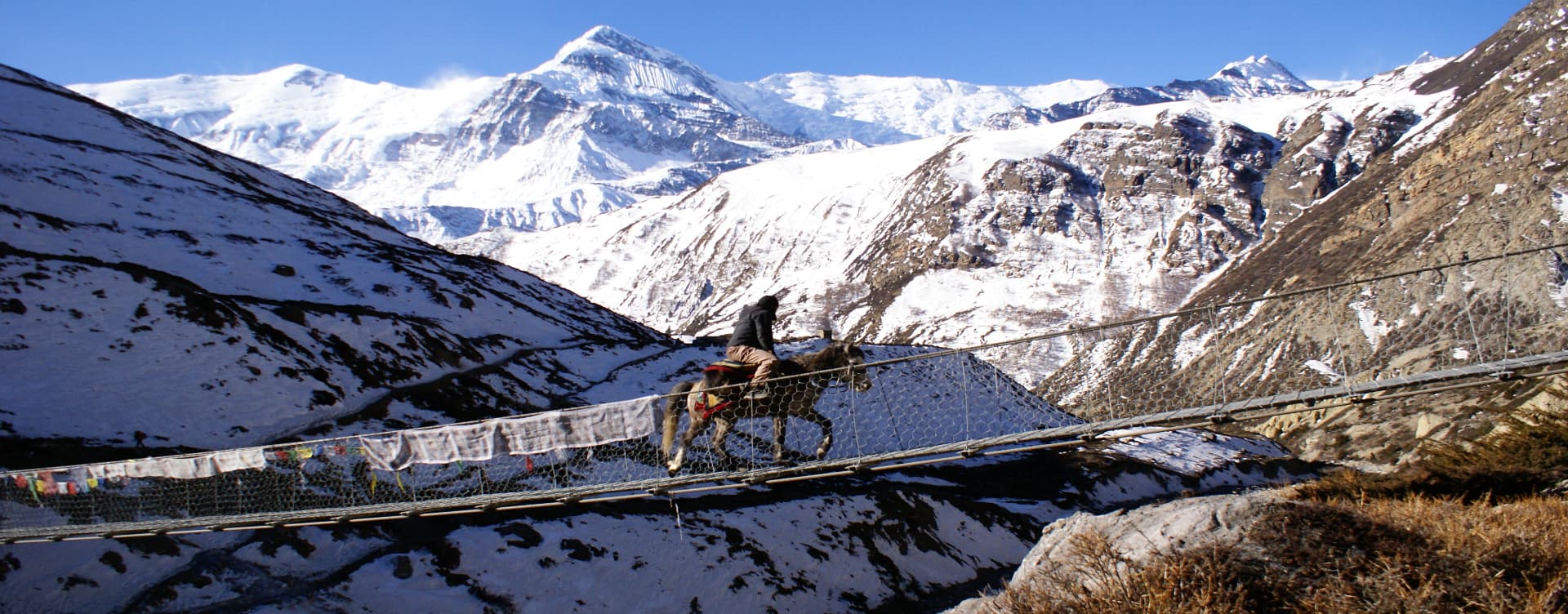
The trek’s terrain varies from flat, well-marked paths to steep ascents, rocky trails, and narrow suspension bridges. In the lower regions, trails pass through terraced fields and forests, while higher altitudes feature barren landscapes and icy paths, especially near Thorong La Pass. Navigating these trails can be physically demanding, particularly for beginners.

  1. Weather Conditions

Weather plays a significant role in the trek’s difficulty.

  • Winter (December-February): Cold temperatures and snowfall make the trek more challenging, especially at higher altitudes.
  • Monsoon (June-August): Heavy rains lead to slippery trails and leeches in forested areas. Landslides may also disrupt the journey.
  • Spring (March-May) and Autumn (September-November): These seasons offer stable weather and are considered the best times to trek, though trails may be crowded.
  1. Physical Fitness and Preparation

While the trek does not require technical climbing skills, good cardiovascular endurance, leg strength, and flexibility are essential. Regular training, such as hiking, running, or cycling, helps build the stamina to tackle the trek’s long hours and challenging sections.

Challenging Sections

  • Thorong La Pass (5,416 meters): The highest point of the trek and its most demanding section. The steep ascent, thin air, and freezing temperatures make this a physically and mentally taxing day.
  • Steep Climbs and Descents: Villages like Manang, Pisang, and Thorong Phedi involve steep ascents and descents that test endurance and balance.
  • River Crossings and Suspension Bridges: While thrilling, crossing these can be daunting for some trekkers.

Tips to Overcome Challenges

  • Acclimatize Properly: Include rest days in your itinerary, particularly in Manang, to adapt to the altitude.
  • Pace Yourself: Amble to conserve energy and allow your body to adjust.
  • Stay Hydrated: Drink at least 3–4 liters of water daily to combat altitude effects.
  • Use Trekking Poles: These provide stability on steep or uneven terrain.
  • Pack Wisely: Carry essential gear, including warm layers, a good sleeping bag, and durable trekking boots.

Conclusion

The Annapurna Circuit Trek’s difficulty is manageable with adequate preparation and the right mindset. While the trek presents physical and mental challenges, the rewards of stunning landscapes, cultural encounters, and personal accomplishment make it a once-in-a-lifetime adventure. With proper fitness, pacing, and acclimatization, trekkers of all experience levels can complete this iconic journey.


Altitude and Acclimatization: How to Trek Successfully on the Annapurna Circuit

Altitude and acclimatization play a critical role in the success and safety of the Annapurna Circuit Trek. This iconic route takes trekkers to high elevations, with the highest point being the Thorong La Pass at 5,416 meters. Proper acclimatization strategies and understanding altitude challenges are essential for a rewarding and safe trekking experience.

Understanding Altitude and Its Effects

As you ascend to higher altitudes, the air pressure decreases, leading to lower oxygen levels. This reduced oxygen availability can cause altitude sickness, ranging from mild symptoms like headaches and fatigue to severe cases of high-altitude pulmonary edema (HAPE) or high-altitude cerebral edema (HACE). Symptoms may start to appear above 2,500 meters and become more pronounced as you climb higher. Recognizing the signs and responding promptly is crucial for maintaining health and safety.

Importance of Acclimatization

Acclimatization is the process by which your body adapts to reduced oxygen levels at higher altitudes. Proper acclimatization allows your body to adjust gradually, reducing the risk of altitude sickness. The Annapurna Circuit Trek is designed with acclimatization days and gradual ascents, which are essential for a successful trek.

Strategies for Successful Acclimatization

Pace yourself by trekking slowly, especially during the initial days of the journey. Overexertion at higher altitudes can increase the risk of altitude sickness. The body requires time to adjust, so avoid pushing yourself too hard. Stay hydrated by drinking at least 3–4 liters of water daily. Proper hydration supports your body in adapting to altitude changes and prevents dehydration, which can exacerbate symptoms of altitude sickness. Plan rest days at critical points such as Manang. These days allow your body to adapt and provide opportunities for short acclimatization hikes to higher elevations before descending to sleep at a lower altitude. Eat high-calorie, carbohydrate-rich meals to maintain energy levels. Your body burns more calories at higher altitudes, and proper nutrition supports physical exertion and acclimatization.

Recognizing and Managing Altitude Sickness

Mild symptoms such as headaches, nausea, dizziness, and shortness of breath are common and manageable if addressed early. Stop and rest if you experience these symptoms. Severe symptoms, including confusion, difficulty walking, and fluid retention, require immediate descent and medical attention. Never ignore worsening symptoms, as they can escalate quickly. Communicate openly with your guide and trekking group. Guides are trained to recognize altitude sickness and will advise you on the best course of action.

Role of Itinerary Planning

A well-structured itinerary is vital for successful acclimatization. The Annapurna Circuit is thoughtfully planned with gradual altitude gains, limiting the daily increase to 300–500 meters. The inclusion of acclimatization days at key locations such as Manang ensures that trekkers are better prepared for high-altitude challenges like crossing Thorong La Pass.

Altitude and acclimatization are integral to the Annapurna Circuit Trek. With gradual pacing, proper hydration, nutrition, and adequate rest, you can minimize the risks of altitude sickness and fully enjoy the breathtaking landscapes and cultural richness of the region. Awareness, preparation, and a thoughtful approach are key to a safe and rewarding trekking experience in the Annapurna region.


Essential Equipment Required During the Annapurna Circuit Trek

The Annapurna Circuit Trek is a challenging and rewarding journey through diverse landscapes and high-altitude terrain. To ensure a safe and comfortable experience, having the right equipment is essential. Proper preparation with suitable gear can make a significant difference in your performance and enjoyment on the trek.

Clothing: Layers for All Weather Conditions

The Annapurna Circuit Trek takes you through a wide range of altitudes and climates, from warm lowlands to the icy heights of Thorong La Pass. Layering is crucial to adapt to these changing conditions.

  • Base Layers: Moisture-wicking thermal tops and bottoms to keep you dry and warm.
  • Insulating Layers: Fleece jackets or down jackets for warmth in colder conditions.
  • Outer Layers: Waterproof and windproof jackets and pants to protect against rain, snow, and wind.
  • Trekking Shirts: Lightweight, quick-drying shirts for warmer days.
  • Trekking Pants: Comfortable, breathable pants for hiking.
  • Gloves: Insulated gloves for warmth and lightweight liners for milder conditions.
  • Hats and Buffs: A warm hat for cold weather, a sun hat for daytime, and a buff or scarf for dust and wind.

Footwear: Support and Comfort for Long Distances

Your feet are your primary mode of transportation on this trek, so investing in quality footwear is essential.

  • Trekking Boots: Sturdy, waterproof, and well-broken-in boots with ankle support are vital.
  • Camp Shoes: Lightweight sandals or slip-ons for relaxing at tea houses.
  • Socks: High-quality wool or synthetic trekking socks to keep your feet warm and dry. Carry at least 3–4 pairs and a couple of extra liners.

Backpacks: Carrying Essentials Efficiently

Proper backpacks ensure that your gear is organized and accessible.

  • Daypack: A 20–30 liter daypack for essentials like water, snacks, extra layers, and personal items.
  • Duffle Bag: Used to carry heavier items, often transported by porters.
  • Rain Cover: Protects your backpack from rain and snow.

Sleeping Gear: Warmth and Comfort at Night

Tea houses along the Annapurna Circuit provide basic bedding, but having your own sleeping gear ensures better warmth and hygiene.

  • Sleeping Bag: A four-season sleeping bag rated for temperatures as low as -10°C to -20°C.
  • Sleeping Bag Liner: Adds extra warmth and keeps your sleeping bag clean.

Trekking Gear: Tools for the Trail

Certain items are indispensable for a successful trek.

  • Trekking Poles: Reduce strain on your knees and improve stability on uneven terrain.
  • Headlamp: Essential for early morning starts and evenings in dimly lit tea houses.
  • Water Bottles or Hydration Bladder: Carry at least 2–3 liters of water daily.
  • Water Purification: Tablets, a filter, or a UV sterilizer to treat water from natural sources.
  • Sunglasses: Protect your eyes from intense sunlight and glare at high altitudes.

Accessories: Small Essentials That Make a Big Difference

  • First Aid Kit: Includes basic medications, blister care, and altitude sickness remedies.
  • Personal Toiletries: Biodegradable soap, toothpaste, toilet paper, and wet wipes.
  • Snacks: Energy bars, nuts, or dried fruits for quick boosts of energy.
  • Power Bank and Chargers: To keep electronic devices functional, especially for photos and maps.
  • Trekking Map or Guidebook: This helps you track your progress and understand the trail.


Specialized Gear for High Altitudes

The Thorong La Pass at 5,416 meters requires additional preparation.

  • Gaiters: Useful in snowy conditions to keep your boots and pants dry.
  • Crampons (Optional): For icy sections during off-season treks.

Having the right equipment for the Annapurna Circuit Trek is crucial for a safe, enjoyable, and successful journey. Investing in high-quality gear ensures that you’re prepared for the challenges of diverse terrains and unpredictable weather. With proper preparation, you can focus on the breathtaking views and unforgettable experiences that make this trek one of the most iconic adventures in the world.


Extra Personal Expenses During the Annapurna Circuit Trek

While the Annapurna Circuit Trek package typically covers essentials like permits, guides, porters, accommodation, and meals, there are additional personal expenses trekkers should anticipate. Understanding these potential costs ensures proper budgeting and a hassle-free trekking experience.

Snacks and Drinks

Tea houses provide three meals a day as part of most packages, but additional snacks or beverages are not included. Many trekkers purchase snacks like energy bars, chocolates, or trail mix along the way, especially for longer trekking days. Prices increase significantly with altitude due to the difficulty of transportation, so it’s advisable to carry some snacks from Kathmandu or Pokhara. Bottled water is widely available but becomes more expensive at higher altitudes. Alternatively, you can use water purification tablets or a filter to save costs and reduce plastic waste.

  • Bottled water: $1–$4 per liter (depending on altitude).
  • Snacks: $2–$5 per item at tea houses.

Hot Showers and Charging Devices

While tea houses offer basic amenities, hot showers, and electricity for charging devices are considered luxuries and come with additional charges. The cost of hot showers increases with elevation as heating water becomes more challenging. Similarly, charging phones, cameras, or power banks typically incurs a fee per device.

  • Hot showers: $2–$5 per shower.
  • Device charging: $1–$3 per hour/device.

Wi-Fi and Internet Access

Internet access is limited and often available for an extra fee in tea houses along the trail. While some trekkers prefer to disconnect, others may want to stay connected for updates or to share experiences with friends and family. Keep in mind that the quality and speed of the internet vary, especially at higher altitudes.

  • Wi-Fi: $2–$5 per session or per hour.

Souvenirs and Handicrafts

Local villages along the Annapurna Circuit offer handmade crafts, prayer flags, jewelry, and clothing as souvenirs. These items are a great way to support local communities and carry memories of your trek back home. Prices are negotiable, but budget-conscious trekkers should decide in advance how much they’re willing to spend.

  • Souvenirs: $5–$50, depending on the item.


Tipping Guides and Porters

Tipping is customary in Nepal and an important way to show appreciation for your trekking team’s hard work and dedication. Guides, porters, and support staff rely on tips as part of their income. The amount varies depending on the length of the trek and the level of service provided.

  • Tipping: $10–$15 per day for guides; $5–$10 per day for porters (split among group members).

Alcohol and Treats

While alcohol is available in some tea houses, it’s discouraged during high-altitude treks due to its dehydrating effects. However, some trekkers indulge in a beer or local raksi after completing the trek. Prices increase with altitude, reflecting transportation challenges.

  • Beer: $4–$8 per bottle.
  • Local alcohol: $3–$6 per serving.

Emergency and Unplanned Expenses

Unexpected expenses such as helicopter evacuations, additional gear, or extra days on the trail due to weather delays should be factored into your budget. Travel insurance typically covers emergencies, but having some cash on hand is essential.

  • Emergency evacuation (if not covered): $3,000–$5,000.

The Annapurna Circuit Trek involves some extra personal expenses beyond the package cost. Planning for items like snacks, showers, tips, and souvenirs ensures you’re prepared and can enjoy the trek without financial stress. Carry sufficient cash in Nepalese rupees, as ATMs are scarce along the trail, and embrace the experience knowing you’re well-prepared for every aspect of the journey.


Permits and Regulations for Annapurna Circuit Trek

The Annapurna Circuit Trek is one of Nepal’s most iconic trekking adventures, taking you through diverse landscapes, cultural villages, and high-altitude passes. To undertake this journey, specific permits are required to ensure the safety of trekkers, support conservation efforts, and regulate the flow of tourism. Below is a detailed overview of the permits and regulations necessary for the Annapurna Circuit Trek.

  1. Trekker’s Information Management System (TIMS) Card

The TIMS Card is a mandatory document for all trekkers in Nepal. It helps authorities monitor trekking activity and locate trekkers in case of emergencies.

  • Where to Obtain: TIMS cards can be acquired in Kathmandu or Pokhara from the Nepal Tourism Board (NTB) offices or registered trekking agencies.
  • Types of TIMS Cards:
    • Green Card: For trekkers traveling independently.
    • Blue Card: For trekkers traveling with an organized group.
  • Cost:
    • Green Card: USD 20 per person.
    • Blue Card: USD 10 per person.
  • Requirements: You’ll need a copy of your passport and two passport-sized photos to obtain the TIMS card.
  1. Annapurna Conservation Area Permit (ACAP)

The ACAP is essential for anyone trekking within the Annapurna Conservation Area. The permit fees contribute to the conservation and management of the protected area.

  • Where to Obtain:The ACAP can be obtained at the Nepal Tourism Board offices in Kathmandu or Pokhara.
  • Cost:USD 30 per person (plus 13% VAT).
  • Requirements:A copy of your passport and passport-sized photos.


  1. Restricted Area Permits (If Applicable)

Certain sections of the Annapurna Circuit pass through restricted areas that may require additional permits. This is usually the case for less-frequented alternative routes.

  • Cost: Varies based on the area and duration of the trek.
  • Where to Obtain: Restricted area permits are issued by the Department of Immigration in Kathmandu.
  • Requirements: A licensed guide is mandatory for treks through restricted areas.


  1. Local Municipality Entry Permits (If Applicable)

Some regions within the Annapurna Circuit require additional local municipality entry permits. These fees are typically collected at entry checkpoints and vary based on the location.

Regulations and Guidelines

  • Carry Permits at All Times: Permits are checked at various entry and exit points along the trail. Failing to present valid permits can result in fines or being denied entry.
  • Licensed Guide Requirement: While trekking independently is allowed, certain areas and routes may require a licensed guide. Having a guide ensures safety and enhances your trekking experience.
  • Environmental Responsibility: Littering and off-trail trekking are prohibited to maintain the pristine environment of the Annapurna region.
  • Respect Local Customs: Follow local customs, respect sacred sites, and avoid disrupting the daily lives of local communities.
  • Health and Safety: Acclimatization is crucial to avoid altitude sickness, especially when crossing the Thorong La Pass at 5,416 meters.

Additional Considerations

  • Validity: TIMS and ACAP permits are valid for the entire duration of the trek. However, ensure they cover all areas you plan to visit.
  • Permit Process: Permits can be arranged personally or through a registered trekking agency for convenience. Agencies often handle the paperwork and ensure that all necessary permits are in place.
  • Seasonal Crowds: During peak trekking seasons (spring and autumn), permit processing may take longer due to high demand.

Key Points to Remember

  1. Secure both the TIMS Card and ACAP before starting the trek.
  2. If you plan to explore restricted areas or alternative routes, ensure you have the required permits.
  3. Always follow the rules and regulations of the Annapurna Conservation Area to protect the natural and cultural heritage.
  4. Work with a licensed guide or trekking agency for a smoother and safer trekking experience.

Obtaining the necessary permits and adhering to the regulations for the Annapurna Circuit Trek are essential steps in ensuring a safe, enjoyable, and responsible trekking experience. These permits not only support conservation efforts but also enhance your journey through one of Nepal’s most breathtaking regions. With proper preparation, the process becomes an easy and meaningful part of this unforgettable adventure.


Preparation for Annapurna Circuit Trek

Proper preparation is essential for the Annapurna Circuit Trek, one of Nepal’s most iconic trekking adventures. From physical fitness to packing the right gear, careful planning ensures a safe, enjoyable, and successful journey through the diverse landscapes of the Annapurna region.

Physical Fitness and Training

The Annapurna Circuit Trek requires good physical fitness due to the demanding nature of the trails and the high altitudes. Preparation should start several weeks or months before your trek.

Cardiovascular endurance is crucial for handling long hours of trekking. Engage in activities like running, cycling, or swimming to build stamina. Incorporate strength training to develop muscle endurance, particularly in your legs, for managing steep ascents and descents. Hiking on uneven terrain with a loaded backpack mimics the actual trek and helps your body adapt to the physical demands. Flexibility and balance exercises, such as yoga, improve your ability to navigate rocky and uneven paths.

Acclimatization and Health

Acclimatization is key to avoiding altitude sickness, a common challenge on the trek. Plan rest days at critical points like Manang to allow your body to adapt to higher elevations.

Visit a travel clinic or healthcare provider for a pre-trek check-up. Ensure you’re physically fit for the trek and discuss vaccinations or medications you may need. Bring altitude sickness medications like acetazolamide (Diamox) and over-the-counter remedies for headaches, nausea, or gastrointestinal issues.

Permits and Documentation

The Annapurna Circuit Trek requires specific permits, which can be arranged through trekking agencies or obtained in Kathmandu or Pokhara.

The Trekker’s Information Management System (TIMS) Card is mandatory for all trekkers. The Annapurna Conservation Area Permit (ACAP) is required to enter the conservation area. Carry multiple passport-sized photos and a copy of your passport for permit applications.

Packing the Right Gear

Having the right equipment is vital for comfort and safety on the trek.

Layered clothing helps you adapt to the region’s varying temperatures. Pack moisture-wicking base layers, insulating fleece or down jackets, and waterproof outerwear. Sturdy trekking boots with good ankle support and a comfortable daypack for essentials are must-haves. Sleeping bags rated for -10°C to -20°C are recommended for cold nights at higher altitudes. Trekking poles, sunglasses, gloves, and hats protect against the terrain and weather.

Booking and Itinerary Planning

Work with a reputable trekking agency to organize your trip. Guides and porters provide essential support, ensuring safety and comfort. Choose an itinerary with gradual altitude gains and rest days for acclimatization.

Plan your trek during the best seasons for favorable weather and clear views. Spring (March-May) and autumn (September-November) are the most popular times.

Mental Preparation

Mental resilience is as important as physical fitness. The trek can be physically demanding, and maintaining a positive attitude helps you overcome challenges. Stay flexible and prepared for unexpected changes, such as weather delays or altered routes.

Preparation is the foundation of a successful Annapurna Circuit Trek. By focusing on fitness, health, gear, and logistics, you can ensure a safe and memorable adventure. The effort you invest in planning will pay off as you immerse yourself in the stunning landscapes and cultural richness of the Annapurna region.


Safety and Acclimatization During the Annapurna Circuit Trek

The Annapurna Circuit Trek is a breathtaking adventure, but its high-altitude trails and challenging terrain require careful attention to safety and acclimatization. Proper preparation and a thoughtful approach are crucial for a successful and enjoyable journey.

Understanding Altitude and Acclimatization

As the trek reaches elevations above 3,000 meters, the reduced oxygen levels in the air can affect the body. This decrease in oxygen makes acclimatization—a gradual process of adapting to higher altitudes—essential for avoiding altitude-related issues. The trek’s highest point, Thorong La Pass, at 5,416 meters, requires careful planning to ensure your body adjusts to the altitude changes.

Symptoms of Altitude Sickness

Altitude sickness, or Acute Mountain Sickness (AMS), is a common concern during the Annapurna Circuit Trek. Symptoms can range from mild to severe and include headaches, dizziness, nausea, loss of appetite, and difficulty sleeping. Severe cases can lead to life-threatening conditions such as High-Altitude Pulmonary Edema (HAPE) or High-Altitude Cerebral Edema (HACE). Recognizing early symptoms and responding promptly is vital.

Strategies for Acclimatization

Pacing yourself is one of the most important strategies for acclimatization. Ascend gradually, keeping daily altitude gains below 300–500 meters once you’re above 3,000 meters. Trekking slowly allows your body time to adapt to the reduced oxygen levels. Rest days, such as those planned in Manang, are crucial for acclimatization. Use these days to take short hikes to higher elevations before returning to lower altitudes to sleep. These “climb high, sleep low” practices are highly effective for adapting to altitude.

Hydration is critical for acclimatization. Drink at least 3–4 liters of water daily to help your body adjust. Avoid alcohol and excessive caffeine, as these can dehydrate you and worsen altitude symptoms. Nutrition also plays a role. Consuming high-calorie, carbohydrate-rich meals helps maintain your energy levels and supports your body’s adjustment to altitude.


Safety Measures During the Trek

Listen to your body throughout the trek. If you experience symptoms of altitude sickness, inform your guide immediately and consider descending to a lower altitude to recover. Do not push through severe symptoms, as this can lead to serious complications. Travel with an experienced guide or trekking group. Guides are trained to recognize altitude sickness and other potential risks, ensuring your safety on the trail. Carry a basic first aid kit that includes medications for altitude sickness, pain relief, and gastrointestinal issues. Trekking agencies often provide supplemental oxygen and pulse oximeters for monitoring your condition.

Terrain and Weather Safety

The Annapurna Circuit’s diverse terrain includes rocky paths, suspension bridges, and steep ascents. Trekking poles improve stability, while sturdy footwear prevents slips. Weather conditions in the Annapurna region can change rapidly. Carry appropriate clothing for varying temperatures, rain, and snow, and stay updated on weather forecasts.

Safety and acclimatization are key to enjoying the Annapurna Circuit Trek. By trekking at a steady pace, staying hydrated and nourished, and recognizing altitude sickness symptoms, you can reduce risks and fully embrace the beauty of the Himalayas. Proper preparation, professional guidance, and awareness are the foundation of a safe and memorable trekking experience.


Travel Insurance for the Annapurna Circuit Trek

Travel insurance is a vital part of preparing for the Annapurna Circuit Trek. The trek involves remote locations, high-altitude terrain, and potential risks that require comprehensive coverage. A suitable travel insurance policy ensures peace of mind and financial protection, allowing you to focus on enjoying the adventure without worrying about unforeseen circumstances.

Why Travel Insurance is Essential

The Annapurna Circuit Trek takes you through challenging and unpredictable environments. Travel insurance protects you from a range of risks, including medical emergencies, altitude-related issues, trip cancellations, and lost or delayed baggage. In the remote regions of Nepal, healthcare facilities are limited, and evacuation by helicopter is often the only option in emergencies. Without insurance, the cost of evacuation and treatment can be prohibitively expensive.

Key Coverage Areas

When purchasing travel insurance for the Annapurna Circuit Trek, ensure your policy includes the following essential coverage areas:

  • Emergency Medical Expenses: Coverage for injuries, illnesses, or altitude sickness that may occur during the trek. Ensure the policy covers high-altitude conditions (above 5,000 meters) to include Thorong La Pass.
  • Emergency Evacuation and Repatriation: Helicopter rescue coverage is crucial for high-altitude treks. Repatriation ensures you’re transported back to your home country if necessary.
  • Trip Cancellation or Interruption: Covers expenses if you need to cancel your trip due to unforeseen circumstances, such as illness, natural disasters, or family emergencies.
  • Baggage and Personal Belongings: Coverage for lost, stolen, or delayed baggage, including trekking gear.
  • Adventure Activities: Ensure the policy explicitly covers trekking at high altitudes and any additional activities, such as rock climbing or paragliding, if you plan to include them.

Choosing the Right Policy

When selecting travel insurance, look for a policy that meets the specific requirements of the Annapurna Circuit Trek.

  • Altitude Limit: Confirm that the policy covers trekking at altitudes of up to 6,000 meters to include all sections of the trek.
  • Comprehensive Coverage: Choose a policy that combines medical, evacuation, trip cancellation, and personal belongings coverage.
  • Provider Reputation: Opt for insurance providers with experience in high-altitude trekking coverage and a strong reputation for reliability.
  • 24/7 Assistance: Ensure the policy includes a 24-hour emergency assistance hotline for immediate support.

How to Use Travel Insurance

Carry a copy of your insurance policy and emergency contact numbers with you during the trek. Inform your trekking guide and team about your insurance details, so they can act quickly in case of an emergency. If an incident occurs, follow the procedures outlined in your policy, such as contacting the insurer immediately and documenting the situation for claims.

Common Exclusions

Travel insurance policies may exclude coverage for pre-existing medical conditions, reckless behavior, or incidents arising from extreme sports not listed in the policy. Review the terms and conditions carefully to understand what is not covered.

Travel insurance is a non-negotiable component of a safe and secure Annapurna Circuit Trek. It provides critical coverage for medical emergencies, evacuations, and unforeseen events, ensuring that you’re prepared for the challenges of high-altitude trekking. Investing in the right policy allows you to focus on the beauty and adventure of the trek with confidence and peace of mind.


Why Choose the Annapurna Circuit Trek Package

Selecting the right trekking package is essential for a safe, enjoyable, and memorable experience on the Annapurna Circuit Trek. Accessible Adventure stands out as a premier provider of trekking experiences in Nepal, offering a well-organized, supportive, and enriching journey through the Himalayas. Here are the key reasons why choosing this package ensures an exceptional trekking adventure.

Expert Guidance and Professional Support

Accessible Adventure provides experienced, licensed guides who are familiar with the Annapurna Circuit’s terrain, weather, and cultural significance. These guides are trained to handle emergencies, manage altitude sickness, and offer insightful commentary about the region’s landscapes, history, and traditions.

Porters are also part of the package, carrying heavy loads so you can focus on enjoying the trek. Their support minimizes physical strain and enhances your overall experience. The team’s professionalism and dedication create a safe and supportive environment throughout the journey.

Well-Designed Itinerary

The Annapurna Circuit Trek package is carefully designed to ensure a balance between adventure, acclimatization, and rest. Accessible Adventure includes rest days at key points such as Manang to help you acclimatize to higher altitudes, reducing the risk of altitude sickness.

The itinerary also maximizes your exposure to the region’s diverse landscapes, from lush valleys and terraced fields to alpine forests and snowy peaks. Each day is thoughtfully planned to provide a gradual altitude gain, ensuring your safety and comfort.

Comprehensive Services

Accessible Adventure offers a range of services that simplify your trek and enhance your experience. They handle essential permits, including the Trekker’s Information Management System (TIMS) Card and Annapurna Conservation Area Permit (ACAP), saving you time and effort.

The package includes airport transfers, transportation to the trek’s starting point, and accommodation in both cities and tea houses along the trail. With all logistics taken care of, you can focus on the adventure without worrying about the details.

Authentic Cultural Experiences

The Annapurna Circuit Trek is as much a cultural journey as it is an exploration of natural beauty. Accessible Adventure ensures you have meaningful interactions with local communities, including the Gurung, Thakali, and Tibetan-influenced residents of the region.

Your guides help bridge the gap between cultures, offering insights into local traditions, festivals, and lifestyles. You’ll visit monasteries, chortens, and prayer flags that add spiritual depth to the trek, making it a culturally enriching experience.

High-Quality Equipment and Safety Standards

Safety is a top priority for Accessible Adventure. The team provides high-quality trekking gear, such as sleeping bags, down jackets, and first aid kits. Supplemental oxygen and pulse oximeters are available for monitoring altitude-related health issues.

Guides are trained in first aid and altitude sickness management, ensuring you’re in capable hands throughout the trek. These measures allow you to enjoy the adventure with peace of mind.

Flexible and Customizable Options

Accessible Adventure recognizes that each trekker has unique preferences and needs. They offer customizable packages to accommodate specific requirements, such as dietary restrictions, fitness levels, or travel schedules. Whether you’re an experienced trekker or a first-timer, the team tailors the experience to suit you.

Sustainable and Responsible Tourism

By choosing Accessible Adventure, you contribute to sustainable tourism practices. The company supports local communities by employing local guides and porters, using family-run tea houses, and promoting eco-friendly trekking practices. This ensures your trek leaves a positive impact on the region.

Choosing the Annapurna Circuit Trek package with Accessible Adventure guarantees an unforgettable journey through one of the world’s most iconic trekking routes. From expert guidance and seamless logistics to cultural immersion and a focus on safety, every aspect of the package is designed to provide a rewarding and hassle-free experience. Trust Accessible Adventure to make your Himalayan dream trek a reality.


Weather Conditions for the Annapurna Circuit Trek (January - December)

The Annapurna Circuit Trek is one of the most iconic trekking routes in the world, offering breathtaking views, diverse landscapes, and a variety of climates. Spanning altitudes from 800 meters to 5,416 meters at the Thorong La Pass, the weather on the Annapurna Circuit varies significantly throughout the year. Understanding the seasonal conditions will help you prepare for a safe and enjoyable trek.

Winter (December - February)

Weather Overview:
Winter in the Annapurna region is characterized by cold temperatures and clear skies. At lower altitudes, daytime temperatures range from 5°C to 12°C, while higher altitudes, such as Thorong La Pass, experience temperatures dropping to as low as -20°C. Snowfall is common at higher elevations, making the trail more challenging.

Advantages:

  • Crisp air and unobstructed mountain views.
  • Fewer trekkers, offering solitude on the trail.

Challenges:

  • Extremely cold conditions at higher altitudes.
  • Risk of snow blocking the Thorong La Pass.

Recommendation:
Suitable for experienced trekkers with proper gear and preparation for freezing temperatures.

Spring (March-May)

Weather Overview:
Spring is one of the best times to trek the Annapurna Circuit. Temperatures are moderate, ranging from 10°C to 20°C at lower elevations and from -5°C to 5°C at higher altitudes. The skies are usually clear, with occasional clouds in the afternoons.

Advantages:

  • Lush landscapes with blooming rhododendrons and wildflowers.
  • Stable weather with comfortable trekking conditions.

Challenges:

  • Trails can become crowded, especially in April and May.

Recommendation:
Ideal for trekkers of all levels, offering the best mix of scenery and weather.

Summer/Monsoon (June - August)

Weather Overview:
The monsoon season brings heavy rainfall to the region, especially at lower altitudes. Temperatures at lower elevations range from 15°C to 25°C, while higher elevations remain cooler at around 5°C to 10°C. The rain-shadow areas, such as Manang and Mustang, experience less precipitation.

Advantages:

  • Vibrant green landscapes and fewer crowds.
  • Cleaner air due to the rains.

Challenges:

  • Slippery trails and leeches in forested areas.
  • Limited visibility due to clouds and mist.

Recommendation:
Better suited for experienced trekkers who can handle wet and muddy conditions.

Autumn (September - November)

Weather Overview:
Autumn is the most popular season for the Annapurna Circuit Trek. Daytime temperatures range from 10°C to 18°C at lower elevations and -5°C to 5°C at higher altitudes. The post-monsoon skies are crystal clear, offering the best views of the Annapurna range.

Advantages:

  • Stunning mountain views and stable weather.
  • Ideal conditions for trekking with moderate temperatures.

Challenges:

  • Trails and tea houses can be crowded, especially in October.

Recommendation:
Perfect for first-time trekkers and photographers seeking iconic views.

Conclusion

The Annapurna Circuit Trek offers unique experiences in every season. Spring (March-May) and Autumn (September-November) are ideal for most trekkers due to their stable weather and excellent visibility. Winter (December-February) provides solitude but demands proper gear for extreme cold, while Monsoon (June-August) offers lush greenery but requires preparation for rain and slippery trails. Understanding the weather throughout the year ensures you can plan and prepare for a safe and unforgettable adventure on this iconic Himalayan trek.


Annapurna Circuit Trek Departures

Select Departure Date

Trip duration: 14 Days

May - Jun 2026

May 2026

Su
Mo
Tu
We
Th
Fr
Sa
1
2
3
4
5
6
7
8
9
10
11
12
13
14
15
16
17
18
19
20
21
22
23
24
25
26
27
28
29
30
31

June 2026

Su
Mo
Tu
We
Th
Fr
Sa
1
2
3
4
5
6
7
8
9
10
11
12
13
14
15
16
17
18
19
20
21
22
23
24
25
26
27
28
29
30
Your Trip
USD 1,050SAVE $100
USD 950/ person

Best Price Guaranteed

1+ People
USD 1,290/ Person
2-3 People
USD 1,190/ Person
4-7 People
USD 1,135/ Person
8-14 People
USD 1,115/ Person
11-21 People
USD 1,090/ Person

Speak to an Expert

Laxmi Malla
Hari Kumar Shrestha
Himal Shrestha
Shiva Kumar Shrestha
UR Ghale

Himal Shrestha

Director 🇳🇵

Meet Our Expert Guides

Shiva Kumar Shrestha

Shiva Kumar Shrestha

Managing Director & Senior Guide

20 years of experience

I am an experienced and knowledgeable Senior Guide who has accompanied countless travelers throughout their time spent hiking in Nepal. Beginning my working life in 2004 as a porter, I am now a government-licensed trekking guide in Nepal with many years of experience. I was born and raised in the mountainous region of Dhading, and as a result, I have an in-depth understanding of the region's history, traditions, culture, and festivals. I have extensive experience trekking in the Everest, Annapurna, Langtang, Manaslu, and Dolpo regions.
Deepak Gurung

Deepak Gurung

Trekking Guide

12 years of experience

I have more than ten years of experience directing hikers across the high terrain of the Nepal Himalaya. I was born and grew up in the Gorkha highlands, which has given me profound awareness of the mountains and the way of life of the people who live in them. I have led numerous expeditions to Everest Base Camp and other locations in the Everest and Annapurna ranges. I received training from the Nepal Academy of Tourism and Hotel Management (NATHM) as a Trekking Guide. I am especially skilled at directing groups of senior citizens and families with children.
Ramsaran Shrestha

Ramsaran Shrestha

Senior Trekking Guide

19 years of experience

Anyone who spends some time with me will eventually recognize me for the respectful and knowledgeable gentleman that I am. I started working as a hiking guide at the end of the nineties. Since 2004, I have been one of Nepal's Best Trekking Company's employees, and I currently have a position as one of the company's senior trekking guides. I am one of the most experienced, competent, and professional trekking guides, and I speak English fluently. I have traveled with trekking groups on an uncountable number of Nepal's trails.
Meena Karki

Meena Karki

Trekking Guide

13 years of experience

I am from the Kaski district in the Annapurna region of Nepal. Trekking has been my passion since childhood as I grew up seeing trekkers and hikers stepping up the trails for trekking adventures. Following my dreams, I took female trekking guide as my profession and now I have more than a decade of experience in this field. I have been to Everest, Annapurna, Langtang, Mustang and most of the trekking regions numerous times. With in-depth knowledge of routes, culture, and history, I ensure your trekking adventure is extra special.
Prakash Gurung

Prakash Gurung

Trekking Guide

8 years of experience

I am a young and enthusiastic guide with enough knowledge in guiding the Himalayas. Having sound experience in the trekking sector, I bring rich experience and readiness to assist trekkers with professionalism and dedication. I respect not only my own culture but also those of other communities. My unwavering commitment has been an enormous boon to the organization's ability to function smoothly. I recently received my license from the Ministry of Tourism Hotel Management tourist training center and have a certificate for providing first aid at high altitudes.
Ram Hari Dhamala

Ram Hari Dhamala

Trekking Guide

11 years of experience

I am a field member of Nepal's best trekking company with more than a decade of experience working in the field of travel and tourism. I am certified as a trekking guide and was brought up among the wondrous sights and sounds of Mother Nature in the picturesque town of Dhading. The rolling landscape complete with mountains, valleys, and rivers has always piqued my interest. Because of my deep love for the outdoors, I decided to pursue a career in tourism. My disposition is cordial and upbeat, and I am responsible and experienced.

Similar Packages

Now Offering 100% Private Treks

Explore Nepal's breathtaking trails at your own pace with our exclusive private treks. No strangers, no rushed schedules—just you, your adventure, and complete flexibility. Enjoy personalized itineraries, expert guides, and a safety-first approach designed for unforgettable experiences.

Tailor-Made Itineraries

Plan your trek exactly how you want it. Choose destinations, duration, and activities that suit you.

Dedicated Guide & Porter

Enjoy expert guidance and personal assistance every step of the way.

Safety & Health Focus

We ensure proper acclimatization, medical support, and emergency readiness.

Flexible Scheduling

Pick your own travel dates and move at a pace that suits your adventure style.

Privacy & Comfort

Ideal for couples, families, and friends who want a fully private experience.