No cancellation fees. No hassle. Book Now, Cancellation Terms
News & UpdatesTrekking Regions+4
21 min readThe Mountain Finally Kept Him: Nirmal Purja's Life, Legacy, and the Broad Peak Avalanche
August 2, 2026
21 min
816 views
The Mountain Finally Kept Him
How Broad Peak took the man who refused to be told what a Nepali climber could and couldn't do
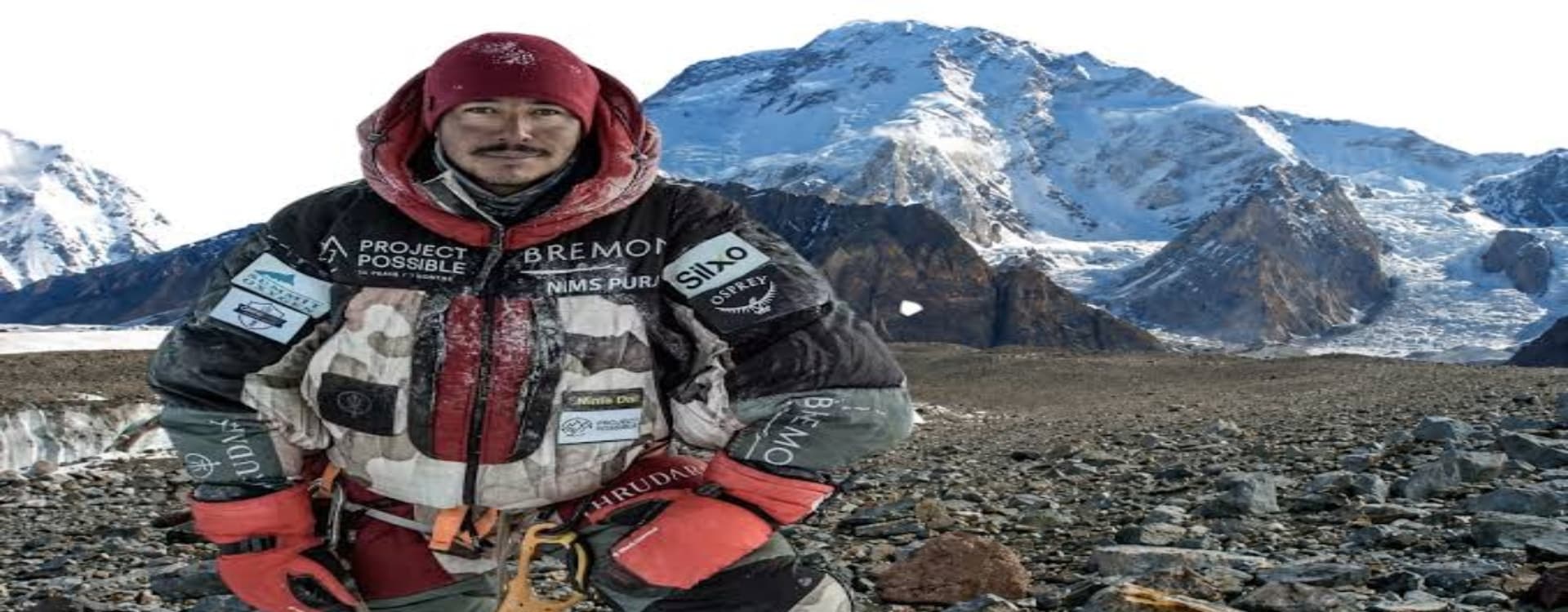
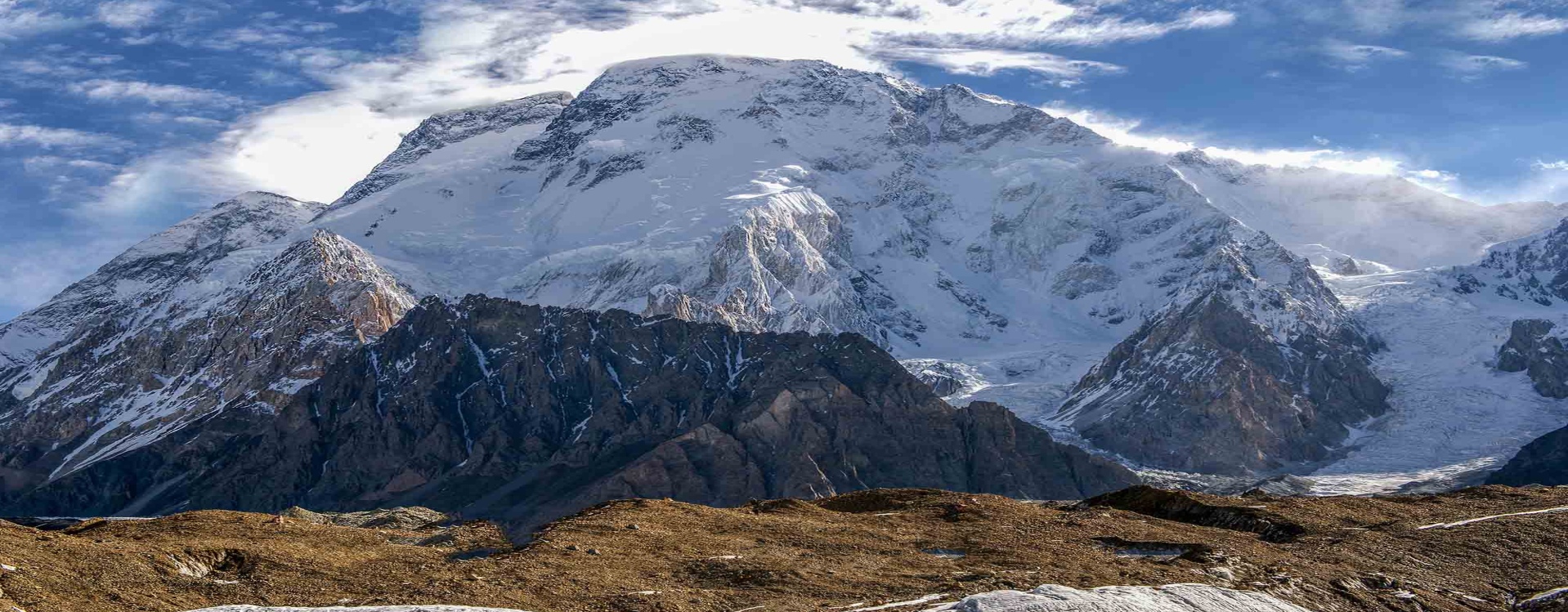
On the morning of July 30, 2026, a wall of snow and ice let go on the upper flank of Broad Peak, the world's twelfth-highest mountain, in Pakistan's Karakoram range. Ten climbers were moving between Camp II and Camp III when it hit. By the time search teams could get helicopters into the air, the mountain had already decided who was coming down and who wasn't.
Among those it kept was Nirmal "Nims" Purja, 43, arguably the most famous mountaineer Nepal has ever produced. His guiding company, Elite Exped, confirmed his death on August 1 in a statement that read simply that it was announcing the news with "profound sadness and immense heartbreak." Alongside him, the avalanche took his longtime climbing partner and guide Pur Bahadur "Yukta" Gurung, fellow guide Nima Sherpa, Omani climber Nadhira Al Harthy, and American Mallory Geis. A Pakistani guide and several other Nepali team members remained unaccounted for as search operations, hampered for days by bad weather, continued into the weekend.
Quick Facts: Nirmal Purja's Life, Career, and Death
| Field | Detail |
|---|---|
| Full name | Nirmal "Nims" Purja MBE |
| Born | July 25, 1983- Dana, Myagdi District, Nepal |
| Died | July 30, 2026 (avalanche); death confirmed August 1, 2026 |
| Age at death | 43 |
| Cause of death | Avalanche on Broad Peak (8,051m), Karakoram Range, Pakistan |
| Nationality | British citizen; Non-Resident Nepali citizen (since November 9, 2023) |
| Known for | Climbing all 14 of the world's 8,000m peaks in 6 months, 6 days (2019) |
| Signature achievement | First winter ascent of K2 (January 2021, all-Nepali team) |
| Military background | British Army, Brigade of Gurkhas (from 2003); UK Special Forces, Special Boat Service (from 2009) - 16 years total, first Gurkha ever accepted into the SBS |
| Company founded | Elite Exped (high-altitude expedition guiding) |
| Book | Beyond Possible (memoir) |
| Documentary | 14 Peaks: Nothing Is Impossible (Netflix) |
| Honor | MBE, awarded 2018, for high-altitude mountaineering achievement |
| Spouse | Suchi Purja |
| Where he died | Broad Peak, Karakoram Range, Gilgit-Baltistan, Pakistan |
| Expedition outcome | 10 climbers on the expedition; all confirmed dead |
The Man Behind the Legend
Nirmal Purja's Early Life: Born in Myagdi, Raised in Chitwan
Long before the record books and the Netflix deal, there was a small boy in Dana, a village in Nepal's Myagdi district sitting roughly 1,600 metres up in the shadow of the Dhaulagiri range. That is where Nirmal Purja was born on July 25, 1983, the youngest of four surviving children to Nanda Bahadur Pun, a Gurkha soldier, and Purna Kumari Purja, who came from a farming family.
His parents belonged to different castes, and in the Nepal of the 1980s that was not a small thing. Their marriage was frowned upon on both sides, and both families cut them off financially and socially as a result. Purja would later tell National Geographic that his family was simply poor, poor enough that as a child he went without even flip-flops on his feet. When he was about four, the family left Dana for the lower, warmer district of Chitwan, chasing a slightly easier life near Kathmandu.
It wasn't easier, not really. Three older brothers eventually followed their father into the Brigade of Gurkhas, and it was their salaries, sent home from wherever the British Army happened to station them, that paid for Nirmal's schooling at a boarding school. He was bullied there as a younger, poorer kid among older boys, and picked up kickboxing as a way of surviving it. By the time he graduated, the plan for his life was already written for him: join the Gurkhas, like everyone else in the family had.
What rarely makes it into the tidy version of his story is how much his mother wanted him to stop, years later, once the Gurkha path gave way to something far riskier. Purja was candid, in interviews and in his memoir, that leaving a secure sixteen-year military career, including a decade in the UK Special Boat Service, for the financially reckless and physically lethal world of high-altitude climbing was not celebrated at home. It fractured things. His eldest brother Kamal, who had seen Nirmal as the family's greatest asset, didn't speak to him for three months after he announced Project Possible. His mother's fear was never really about the money. It was about outliving her son, a fear every climbing family in Nepal understands, and one she lived out in public for years before it became real.
A Fearless Mountaineer
From Gurkha Soldier to UK Special Forces: Nirmal Purja's Military Career
Purja joined the Brigade of Gurkhas in 2003 and, six years later, became the first Gurkha ever accepted into the Royal Navy's Special Boat Service, one of Britain's most secretive special forces units. He spent sixteen years in uniform, a decade of it in UK Special Forces, before walking away from that security altogether to chase something almost nobody thought was survivable, let alone achievable.
That decision cost him more than a stable income. It meant self-funding early expeditions, guiding paying clients between his own summit attempts just to keep Project Possible alive financially, and pushing his body through conditions built specifically to kill people who make mistakes at altitude. He was open about the physical toll: the diarrhoea and cramping in his gut partway up an eight-thousander, the gambles he took on weather windows other teams refused to touch. None of it was reckless for its own sake. It was calculated risk, over and over, in a place with no tolerance for error.
Breaking Records and Making History
How Nirmal Purja Climbed All 14 Eight-Thousanders in 6 Months
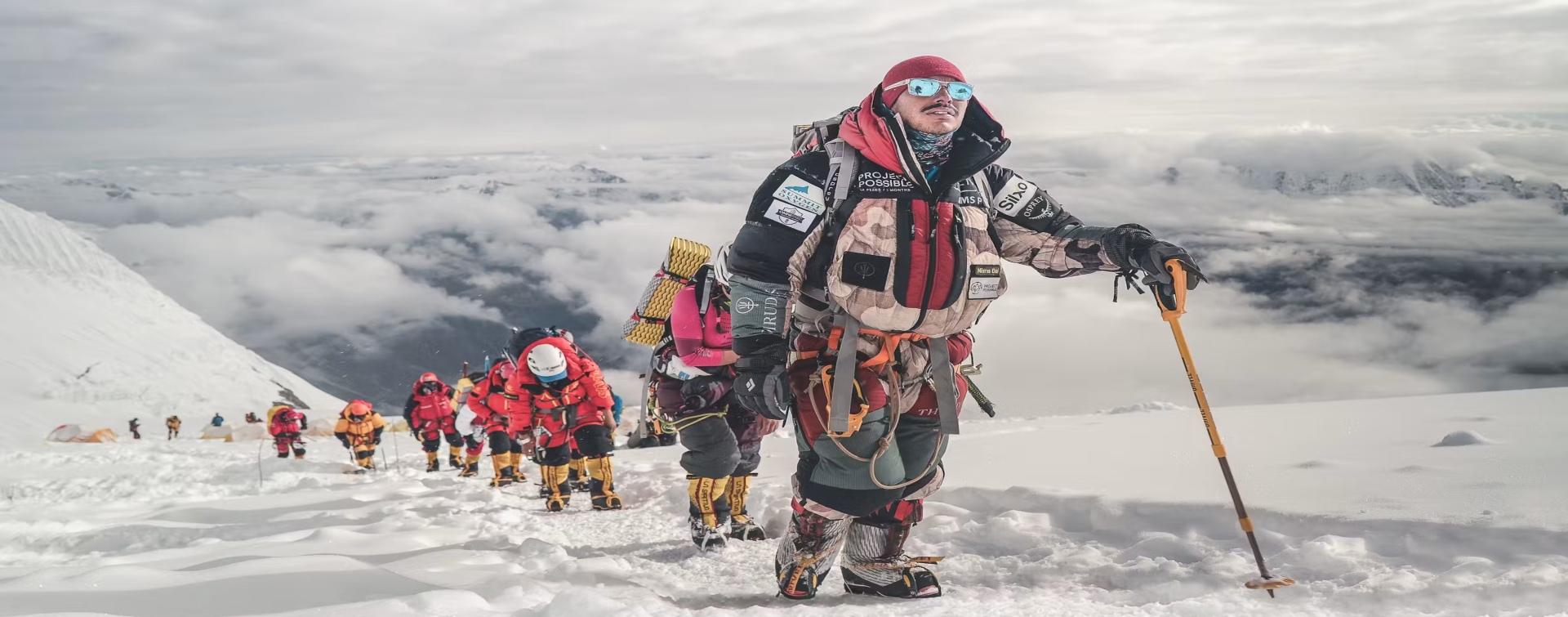
In 2019, Purja climbed all fourteen of the world's 8,000-metre peaks in six months and six days, a project he called Possible when almost nobody else did. He broke a record that had stood since 1987, when Polish climber Jerzy Kukuczka became the first person to summit all fourteen, after nearly eight years of effort. The previous fastest attempt, by South Korean climber Kim Chang-ho, had taken over seven years. Purja did it in under seven months.
Inside that schedule sat a stretch that still sounds invented: he summited Everest and Lhotse, traversed between them, flew to Makalu base camp, and summited Makalu, all within 48 hours. He went on to lead the first winter ascent of K2 in history, one of the last great unclaimed prizes in mountaineering, and later returned to climb all fourteen peaks a second time, this time without supplemental oxygen, finishing that campaign in October 2024.
He didn't hold every record forever, and he was gracious about it. In 2023, Norwegian climber Kristin Harila and her Nepali climbing partner Tenjen Sherpa broke his 2019 mark, finishing all fourteen peaks in 92 days. Purja congratulated her publicly rather than disputing it, which was itself notable in a sport not always known for grace between rivals.
The Spirit of Nepal on the Global Stage
Nepali or British? Nirmal Purja's Citizenship and Identity
For all his global fame, Purja spent much of the last several years defending, sometimes furiously, his right to call himself Nepali. The complication was real and legally awkward. He held British citizenship, earned through his years of UK military service, but continued to climb and identify under Nepali nationality for years afterward, only formally taking Non-Resident Nepali citizenship in November 2023. Critics inside Nepal's own mountaineering establishment, including members of the Sherpa Tourism Entrepreneurs Association of Nepal, accused him of using that Nepali identity selectively, climbing as a Nepali when it suited the story and the optics, while allegedly sidestepping the higher royalties and permit fees that foreign, meaning British, climbers are required to pay Nepal's government. One 2024 memorandum to the tourism ministry went as far as accusing him of evading government fees entirely under cover of his non-resident status.
A Nepali lawmaker, Rajendra Bajgain, publicly called for Purja to be barred from the country altogether in mid-2024, arguing he had damaged Nepal's international reputation, both through the royalty allegations and separately, through sexual misconduct claims brought by two foreign climbers in a New York Times investigation that same year. Purja denied the assault allegations. Osprey, one of his outdoor gear sponsors, ended its partnership with him afterward.
None of that controversy erased what he represented to millions of ordinary Nepalis, and it clearly didn't erase how he saw himself. On the summit of K2 during the historic winter ascent, with an entirely Nepali team around him, Purja and his teammates sang Nepal's national anthem into a selfie stick, muffled behind their oxygen masks, arms around each other's shoulders, flag snapping in the wind. It's one thing to claim an identity in an interview. It's another to sing your motherland's anthem at 8,000 metres with your team, on camera, when nobody's forcing you to. He wanted the mountaineering world to see a Nepali face at the front of the story, not standing quietly behind a Western client's success, and that part of his legacy is hard to argue with, whatever else gets said about him now.
Beyond the Summit
Beyond the Summit: Nirmal Purja's Family, Mentorship, and Legacy
Purja's central argument, running underneath almost everything else he did, was that Nepali and Sherpa climbers, the people who fix the ropes, carry the loads, and take the same risks as their Western clients, have never gotten a fraction of the recognition or money that Western mountaineers do for the same summits. He said as much to CNN back in 2019, framing his own fame as a tool to make sure Sherpa skill got properly credited instead of quietly absorbed into someone else's expedition story.
His reach went well past the mountains themselves. He wrote a bestselling memoir, Beyond Possible, fronted the Netflix documentary that introduced him to an audience who had never heard of an eight-thousander, was appointed MBE by Queen Elizabeth II in 2022, served as a UNEP Mountain Advocate, sat on international panels on mountain sustainability, launched an outdoor apparel line under his own name, and chaired Mustang Helicopters, moving into aviation as a business interest well outside climbing. Through Elite Exped, he trained and led a new generation of Nepali guides who now expect to be named, paid, and credited for their skill rather than written out of someone else's summit story.
Purja married Suchi Purja in 2006, not long after joining the Gurkhas, and she spent the following two decades doing what military and expedition spouses so often do: holding a household together in someone else's absence. She trained as a dental hygienist and therapist in the UK and took on director roles in companies tied to his charitable and business work. When Purja accepted an honorary doctorate, he dedicated it to her, thanking her on stage for never once complaining about a lifestyle built on his absence and on risk she had no control over. She and their young daughter, Himani, live in Hampshire, England, a landscape about as far from the Karakoram as it is possible to get.
His Greatest Legacy
Tributes to Nirmal Purja: Prince William, Bear Grylls, and the Climbing World
Tributes arrived within hours of Elite Exped's confirmation, and they came from well outside the climbing world's usual circle. Prince William posted a personal message, signed simply "W," praising Purja's military service and calling his relentless pursuit of what seemed impossible, paired with humility and selflessness, something that made him genuinely unique. Adventurer and broadcaster Bear Grylls remembered his "unstoppable spirit." British broadcaster Spencer Matthews, whose brother Michael died on Everest in 1999, credited Purja for personally helping search for his brother's remains decades later, a detail that says more about the man than most of his records do.
Nepal's own prime minister, Balendra Shah, wrote that only the physical journey of the climbers had stopped, and that their courage and contribution would keep inspiring people regardless.
Closer to home, the tributes got rawer. Nepali actress Kabita Nepali posted that the mountains had welcomed one of their greatest sons back, describing a conversation in which Purja told her he was tired of what he called a cruel, greedy, backstabbing human world, but still believed the world itself was beautiful, and that the mountains were where he felt most alive. She wrote that she didn't think he'd left them at all, only gone home to the Himalayas, where his soul could finally rest. She credited him directly with giving her the courage to start climbing, and recalled him telling her, in Nepali, that Nepali women are capable of anything, that plenty more of them deserve the chance to stand on Everest's summit, and that he believed she could achieve more than she thought possible. She wrote that those words changed her, and that the climb she'd once dreamed of finishing beside him will now stay unfinished in this life.
Remembering His Final Journey
Broad Peak Avalanche Recovery: Timeline and Latest Updates
As of early August, rescue teams were still working to recover several climbers left on Broad Peak, hampered by weather that has made helicopter access unreliable. One recovered detail, an amputated leg pulled from the debris field, believed to belong to one of the remaining missing climbers, is a stark reminder that this is still, mechanically, a recovery operation and not yet a finished one.
There's a hard irony sitting underneath the current operation. Back in May 2024, after his team spent three brutal days retrieving the bodies of American climber Anna Gutu and her guide Mingmar Sherpa from Shishapangma, Purja went out of his way to state publicly that he had never charged, and would never charge, a fee for a rescue or recovery mission, and said he wanted that on record specifically so no outlet or rival company could twist the story. The current Broad Peak operation is being run jointly by Pakistani authorities, the Alpine Club of Pakistan, and his own company, Elite Exped. Who is absorbing the cost of bringing Purja himself down off that mountain hasn't been made public, and nothing reported so far indicates his family has spoken about it or that any of it has landed on them. The man who made a point of not billing grieving families is now the one being carried down.
How the Avalanche Happened
A Slope That Had Been Loading for Days
The slide didn't come out of nowhere. A climber who had already left the mountain earlier in the season had reported a major windstorm on July 18, and conditions stayed unstable afterward, with high winds and elevated humidity across the region pointing toward a heavy build-up of fresh snow through July 29. That kind of snow loading on a steep slope is exactly the setup avalanche forecasters watch for and dread.
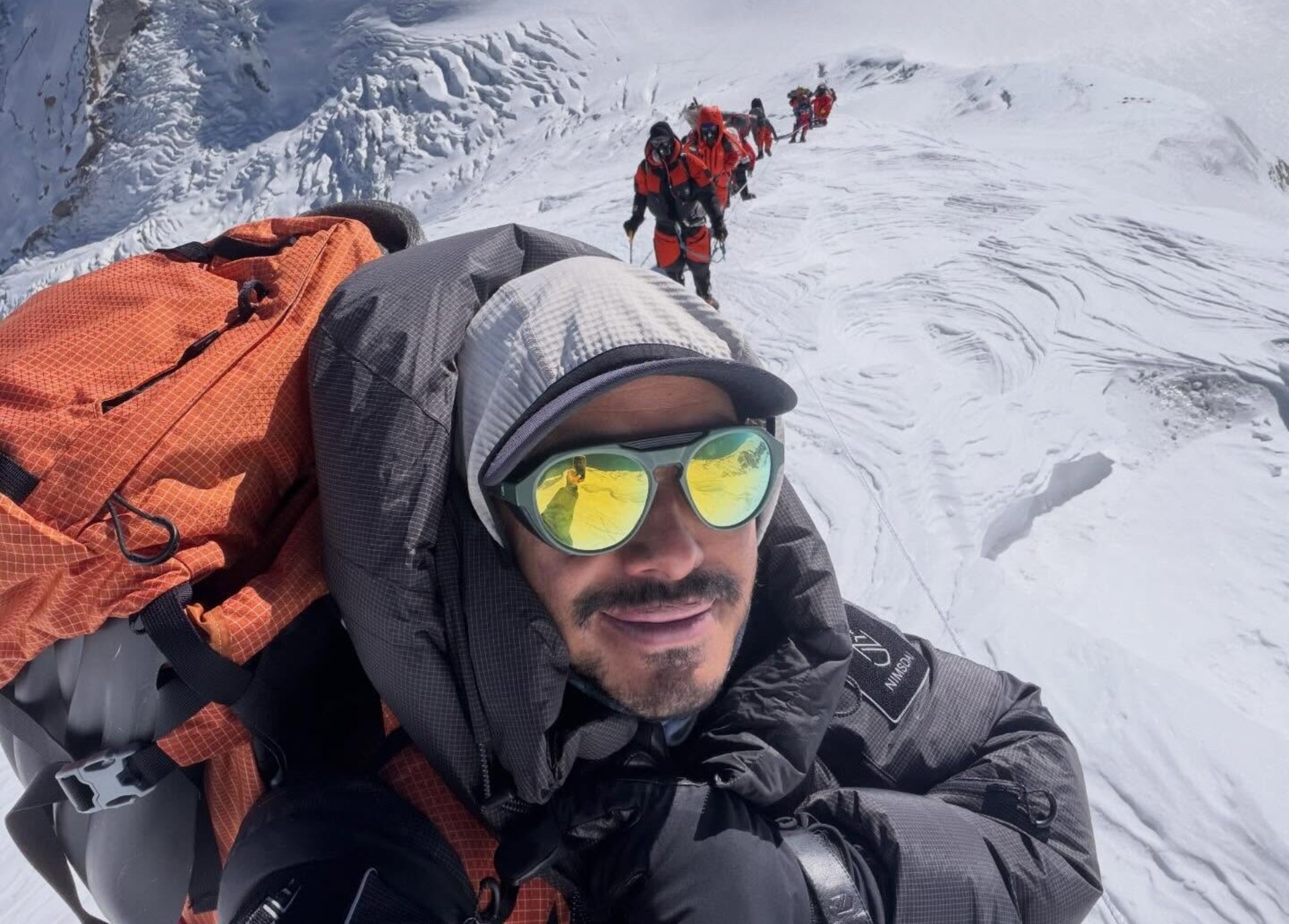
At approximately 9:30 a.m. local time on July 30, an avalanche struck the ten summit-bound climbers on the section of the mountain between Camp II and Camp III, an area sitting around 6,600 metres. Satellite GPS trackers carried by the team recorded a rapid fall of several hundred metres for some climbers. Purja's own tracker showed a fall of roughly 800 metres; Omani climber Nadhira Al Harthy's device showed she'd fallen almost all the way down to the base of the mountain.
The team lost contact with base camp shortly afterward. Given how professionally Purja's expeditions typically ran their communications, precisely because the margin for confusion at extreme altitude is so slim, the silence was read almost immediately by the climbing community as a serious warning sign, well before any official confirmation followed. A call for aerial rescue reportedly went out within hours, though the first helicopters didn't get airborne until the following morning, when two aircraft began an aerial search alongside ground teams pushing up from Camp I.
Who Died in the Broad Peak Avalanche
Ten Climbers, Five Countries, One Rope
All ten members of the expedition died. The team carried passports from five countries, a reflection of how international Broad Peak's climbing season has become.
Nirmal "Nims" Purja, 43, of Nepal and the United Kingdom, was leading the team through his own guiding company, Elite Exped. Pur Bahadur "Yukta" Gurung, a veteran Nepali guide and one of Purja's longest-standing climbing partners, had summited Everest ten times, more than anyone else from the Gurung community, and had climbed twelve of the fourteen 8,000-metre peaks. Nima Sherpa, a rising figure among Nepal's elite high-altitude guides, had already summited four 8,000-metre peaks in 2026 alone before travelling to Pakistan. Kili Pemba Sherpa, an accomplished Nepali climber and guide, was among the first four bodies recovered from the debris field. Nawang Thindu Sherpa, at 29 one of the youngest on the team, had already summited Everest, Lhotse, Makalu, Kanchenjunga, Manaslu, and Ama Dablam. Gyalu Sherpa rounded out the five Nepali climbers on the expedition.
Sohail Sakhi, a Pakistani climber from Hunza, was guiding American client Mallory Geis, 39, of San Antonio, Texas, who was on her first 8,000-metre expedition. Nadhira Al Harthy, the first Omani woman to summit Mount Everest, brought the same barrier-breaking instinct to this climb that defined her Everest summit. Wang Zhong, a Chinese climber, had reached his eleventh 8,000-metre peak on July 4, summiting Gasherbrum II alongside Purja himself just weeks before the avalanche; Broad Peak would have been his thirteenth peak toward his own goal of all fourteen.
A Moment of Deep Sorrow for the Mountaineering Community
Search and recovery operations continued for days after the initial slide, hampered repeatedly by high winds and cloud cover over the Karakoram that grounded helicopters for hours or entire days at a stretch. One recovered detail, an amputated leg pulled from the debris field, believed to belong to one of the climbers still unaccounted for at the time, was a stark reminder that this remained, mechanically, a recovery operation and not yet a finished one.
There's a hard irony sitting underneath the current operation. Back in May 2024, after his team spent three brutal days retrieving the bodies of American climber Anna Gutu and her guide Mingmar Sherpa from Shishapangma, Purja went out of his way to state publicly that he had never charged, and would never charge, a fee for a rescue or recovery mission, and said he wanted that on record specifically so no outlet or rival company could twist the story. The current Broad Peak operation is being run jointly by Pakistani authorities, the Alpine Club of Pakistan, and his own company, Elite Exped. Who is absorbing the cost of bringing Purja himself down off that mountain hasn't been made public, and nothing reported so far indicates his family has spoken about it or that any of it has landed on them. The man who made a point of not billing grieving families is now the one being carried down.
A Mountain Range That Doesn't Forgive Easily
Why Mountain Rescue in Pakistan Is Harder Than in Nepal
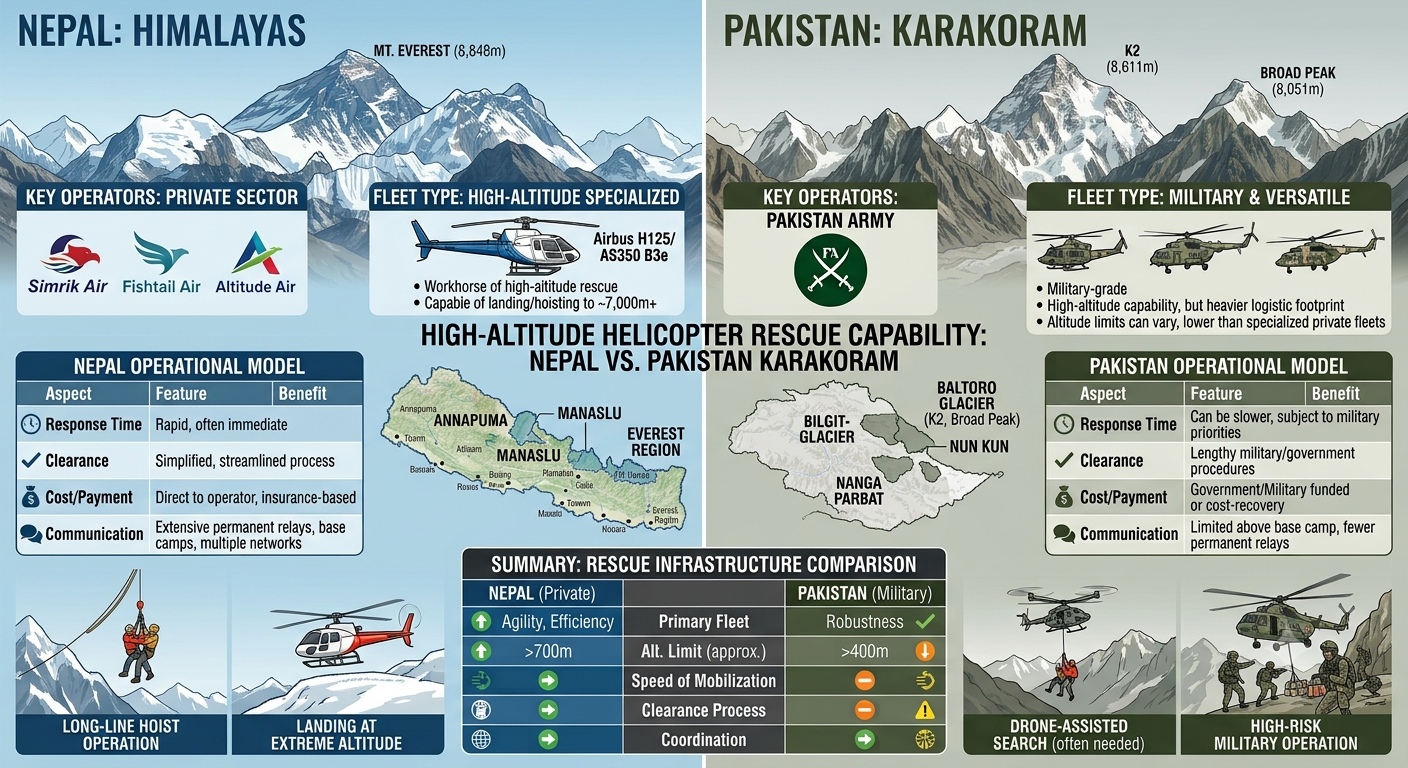
Part of why the search for Purja and his team dragged on for days, suspended more than once by weather, comes down to a hard difference between how Nepal and Pakistan actually run high-altitude rescue. It isn't just geography. It's who owns the helicopters and how fast they're allowed to fly.
In Nepal, rescue is largely a private, commercial business. Dozens of helicopter operators compete for the work, they set their own guidelines around when and how high they'll fly, and a call for evacuation from an established trekking route can have an aircraft airborne within the hour, provided the weather cooperates. That competitive, privatised system has made Nepal's rescue network the most mature in the high-altitude world, capable of reaching altitudes above 7,000 metres under good conditions, something that was considered impossible before Swiss pilots began training Nepali crews in longline and altitude-rescue techniques years ago.
Pakistan works almost nothing like that. There is no private rescue industry to speak of in the Karakoram. The Pakistan Army is the sole provider of helicopter rescue in the country's mountains, and because that airspace sits inside an active military and border-sensitive zone near Pakistan's frontiers with India and China, every mission carries a layer of military bureaucracy that Nepal simply doesn't have. Pakistani protocol also requires helicopters to fly in pairs at altitude, a safety rule built around the risk of a single engine failing over a glacier with no backup nearby, which means a rescue can't launch with one available aircraft the way it sometimes can in Nepal. Payment works differently too: operators in Pakistan have historically required the rescue cost to be deposited before a helicopter will even leave the ground, a stipulation that has occasionally cost climbers precious hours during an emergency.
The Broad Peak operation showed exactly how much that structure can slow things down. Two Army helicopters began an aerial search only on the morning after the avalanche, working alongside ground teams pushing up from Camp 1. Recovery was suspended entirely at least once due to weather that made flying too dangerous, and even when conditions allowed the aircraft back up, thin air above roughly 6,000 metres degrades rotor lift so severely that hovering and rope-based recovery, rather than a normal landing, becomes the only option in much of that terrain. It's a punishing, deliberate process by design, built for a mountain range with almost none of the aviation infrastructure Everest and its neighbours have slowly accumulated over decades. Purja himself spent years navigating exactly that gap between the two countries, and in the end, it was the harder of the two systems that had to bring him home.
A Legacy That Will Never Fade
Nirmal Purja's Legacy in Nepali Mountaineering
Purja's own final public words, posted days before he died, now read like something closer to prophecy than motivation. He'd written that opportunity doesn't announce itself loudly, that it whispers to people already working quietly toward something. He was heading back up to attempt something no one had done: climbing all fourteen eight-thousanders a second time, entirely without bottled oxygen, a goal that would have demanded even more from a body that had already given the sport more than anyone thought reasonable to ask.
He didn't get to finish it. But it's hard to look at what he built, a generation of Nepali and Sherpa climbers who now expect to be named, paid, and credited for their skill, and call his life unfinished.
Rest in Peace, Nims Dai
Your Courage Will Continue to Inspire Generations
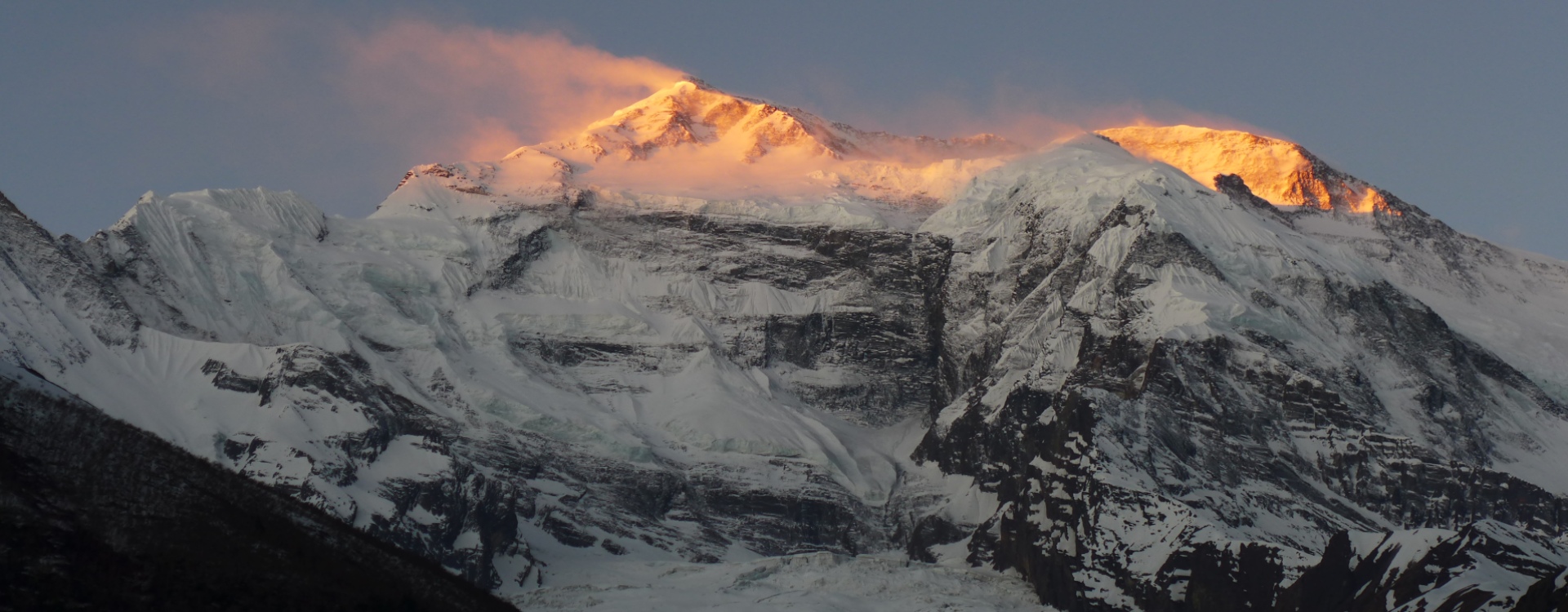
The mountains he loved have taken plenty from Nepal over the decades, and they took one of the country's best-known sons this time. What they didn't take, and can't, is the argument he spent his whole career making: that a boy who once walked barefoot in Myagdi could decide, on his own terms, exactly how far a Nepali climber's name could travel.
Frequently Asked Questions
Purja died on July 30, 2026, when an avalanche struck his ten-person expedition team on Broad Peak in Pakistan's Karakoram range, between Camp II and Camp III at roughly 6,600 metres. His body was recovered by Pakistan Army-backed rescue teams several days later, along with those of most of the rest of his team.
The avalanche struck at approximately 9:30 a.m. local time on July 30, 2026, as the team was moving through a summit push on the upper mountain. Unstable conditions, including a windstorm and heavy snow load in the days beforehand, had already made the route dangerous.
All ten members of the expedition died: Nirmal Purja, Nepali guides Pur Bahadur "Yukta" Gurung, Nima Sherpa, Kili Pemba Sherpa, Nawang Thindu Sherpa, and Gyalu Sherpa, Pakistani guide Sohail Sakhi, Omani climber Nadhira Al Harthy, American climber Mallory Geis, and Chinese climber Wang Zhong.
Both, in practical terms, though it made him a target of criticism. He was born in Nepal and built his public identity around it, but gained British citizenship through his sixteen years in the British Army, including a decade in the UK Special Boat Service. He only formally took up Non-Resident Nepali citizenship in November 2023, and critics accused him of leaning on whichever nationality suited a given expedition's fee structure. He never stopped calling himself Nepali, on camera and off.
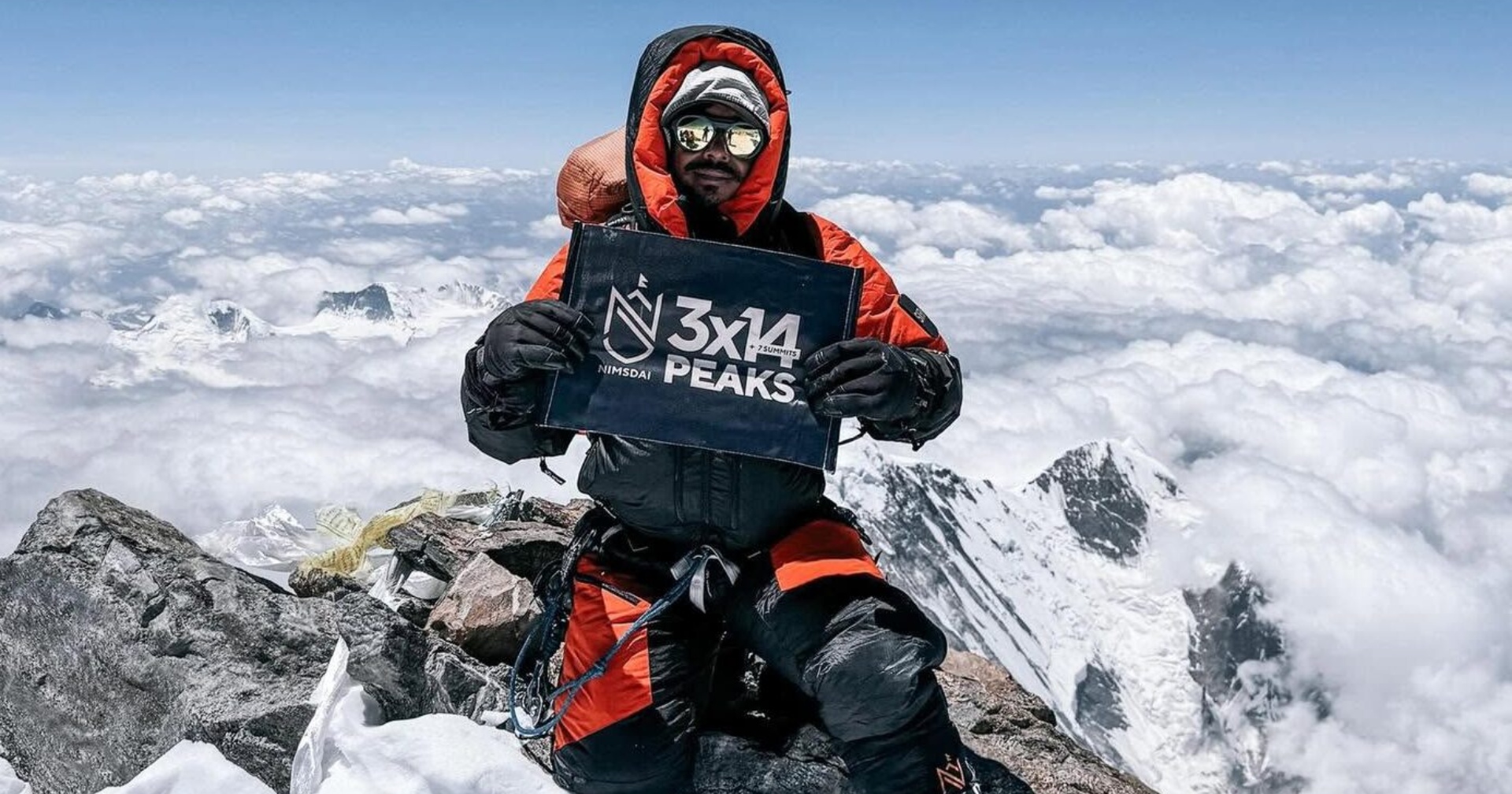
He is best known for climbing all fourteen of the world's 8,000-metre peaks in six months and six days in 2019, shattering a record that had stood since 1987. He also summited Everest and Lhotse and travelled to Makalu to summit that too, all within 48 hours, and led the first winter ascent of K2 in history in 2021. In October 2024, he completed all fourteen peaks a second time, without supplemental oxygen.
About Accessible Adventure
Bringing unforgettable Himalayan adventures to everyone. Our expert guides and carefully curated experiences ensure that everyone can explore the beauty of Nepal, Tibet, and Bhutan.
Learn More