No cancellation fees. No hassle. Book Now, Cancellation Terms
Peak ClimbingTrekking Regions+30
21 min readIsland Peak Climbing Cost 2026/2027: Full Budget Breakdown
July 31, 2026
21 min
3 views
What you will actually pay for permits, guides, gear, and everything in between
Ask ten climbers what Island Peak costs and you will get ten different numbers. Some quote 1,200 dollars. Others quote 4,000. Neither is lying. They are just describing different trips built from the same mountain.
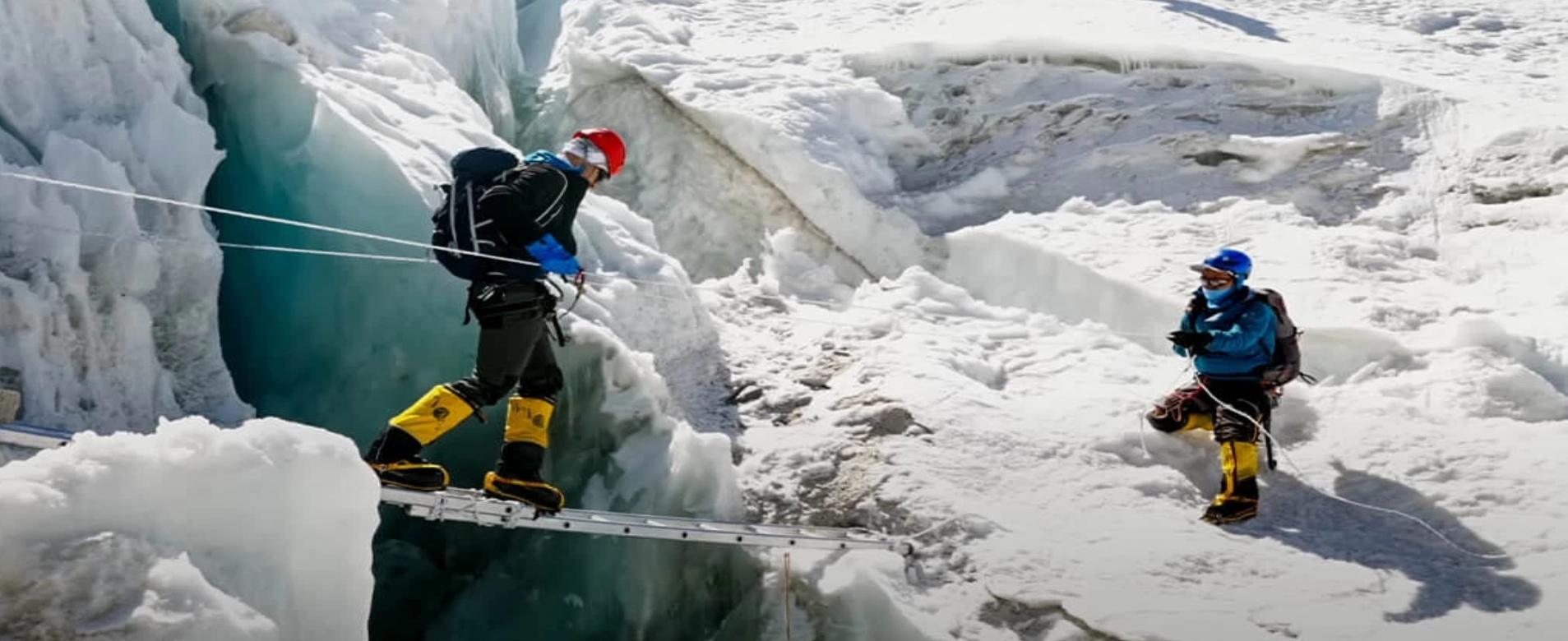
Island Peak, known locally as Imja Tse, sits at 6,189 meters in the Khumbu region, tucked between Chukhung village and the southern flank of Lhotse. It is one of the most climbed peaks in Nepal because it delivers a genuine high altitude summit, complete with a fixed rope headwall and a 360 degree view of Everest, Lhotse, Makalu, and Ama Dablam, without demanding years of technical mountaineering experience first. That accessibility is exactly why the cost question gets confusing. A budget trekking-style climb and a fully guided expedition with private rooms and satellite communication both technically get you to the same summit, but the price tags sit thousands of dollars apart.
We put together this breakdown after going through the current 2026 and 2027 permit schedules, recent fuel-driven changes to Lukla flight pricing, and the real costs our own climbers pay from the moment they land in Kathmandu to the moment they fly home with a summit certificate. No rough estimates pulled from old blog posts. Just the numbers as they stand right now.
Island Peak Climbing Cost at a Glance
If you only need the short answer: a full Island Peak climbing package in 2026/2027 typically runs between 1,600 and 3,800 US dollars per person, depending on group size, season, and service level. That figure includes permits, a licensed climbing guide, teahouse accommodation, meals on trek, Lukla flights, and climbing equipment support. It does not include international airfare to Nepal, personal down gear, or travel insurance, which we cover separately below.
|
Cost Category |
Typical Range (USD) |
Notes |
|
NMA climbing permit |
175 to 350 |
Varies by season, per person |
|
Sagarmatha National Park entry |
About 30 |
One-time, per person |
|
Khumbu Rural Municipality fee |
20 |
Paid on arrival in Lukla area |
|
Garbage deposit |
250 to 500 |
Refundable per team |
|
Guide and porter wages (14 days) |
350 to 700 |
Included in most packages |
|
Lukla flights round trip |
400 to 580 |
Fluctuates with fuel prices |
|
Teahouse lodging and meals (14 days) |
250 to 500 |
Depends on service tier |
|
Climbing gear rental (if needed) |
150 to 350 |
Boots, crampons, harness, ice axe |
|
Travel and rescue insurance |
150 to 400 |
Must cover 6,000m and helicopter rescue |
Permits and Government Fees for Island Peak
Before a single boot touches the trail, three separate government bodies need to be paid. None of these fees are optional and none of them can be skipped by climbing quietly. Every one of them is checked at posts along the route, and a guide who cannot produce the right paperwork will be turned back with the whole group.
NMA Climbing Permit Fee by Season
Island Peak falls under what the Nepal Mountaineering Association classifies as a Group B trekking peak, alongside Mera Peak, Lobuche East, and Pisang Peak. The NMA revised its fee structure effective September 2025, and the new rates carry through the 2026 and 2027 climbing calendars.
Under the current schedule, foreign climbers pay 350 US dollars per person for a spring ascent (March through May), and 175 US dollars per person for autumn, winter, or summer climbs (June through February, outside of spring). That is up from the older 250 dollar spring rate and 125 dollar off-season rate that many older blog posts and outdated itineraries still quote, so double check any quote that looks suspiciously cheap.
SAARC nationals, meaning climbers from India, Bangladesh, Pakistan, Sri Lanka, Bhutan, and the Maldives, pay a reduced rate, roughly a quarter of the foreign fee depending on the season. The permit is issued per person, and the NMA requires the fee to be processed through a government registered trekking agency in Kathmandu. There is no walk-up counter for independent climbers at the mountain itself.
Sagarmatha National Park Entry Fee
Since Island Peak sits inside Sagarmatha National Park, a UNESCO World Heritage Site, every trekker and climber pays a park entry fee, currently around 30 US dollars, or roughly 3,000 Nepali rupees, for foreign nationals. This fee funds trail maintenance, ranger patrols, and conservation work across the Khumbu. It is collected once, usually at the entry checkpoint in Monjo on the way up from Lukla, and your permit slip should stay with you for the rest of the trek.
Khumbu Pasang Lhamu Rural Municipality Fee
A separate local fee, roughly 20 US dollars, goes to the Khumbu Pasang Lhamu Rural Municipality, the local governing body for the villages you pass through between Lukla and Chukhung. This replaced the old TIMS card requirement for this specific region several years ago, and it is usually collected in Lukla on arrival, sometimes bundled into your agency's paperwork so you never have to queue for it yourself.
The Refundable Garbage Deposit
The NMA requires a garbage deposit for every expedition team climbing an NMA managed peak, typically between 250 and 500 US dollars depending on group size. This is not a fee in the usual sense. It is a security deposit meant to guarantee that your team carries its waste back down rather than leaving it on the mountain. Once your team descends and your agency confirms the waste has been removed, the deposit is returned. In practice this cost rarely shows up as a true out of pocket expense for individual climbers, since it is paid and reclaimed at the agency level, but it does factor into the total budget a company allocates per trip, and some smaller operators pass a small non-refundable portion on to clients to cover porter wages for carrying rubbish out.
What a Full Island Peak Package Actually Includes
Permits and government fees are fixed. Everything else, meaning your flights, guide, food, lodging, and gear support, is where prices genuinely diverge between operators and between budget levels. Here is where that money goes.
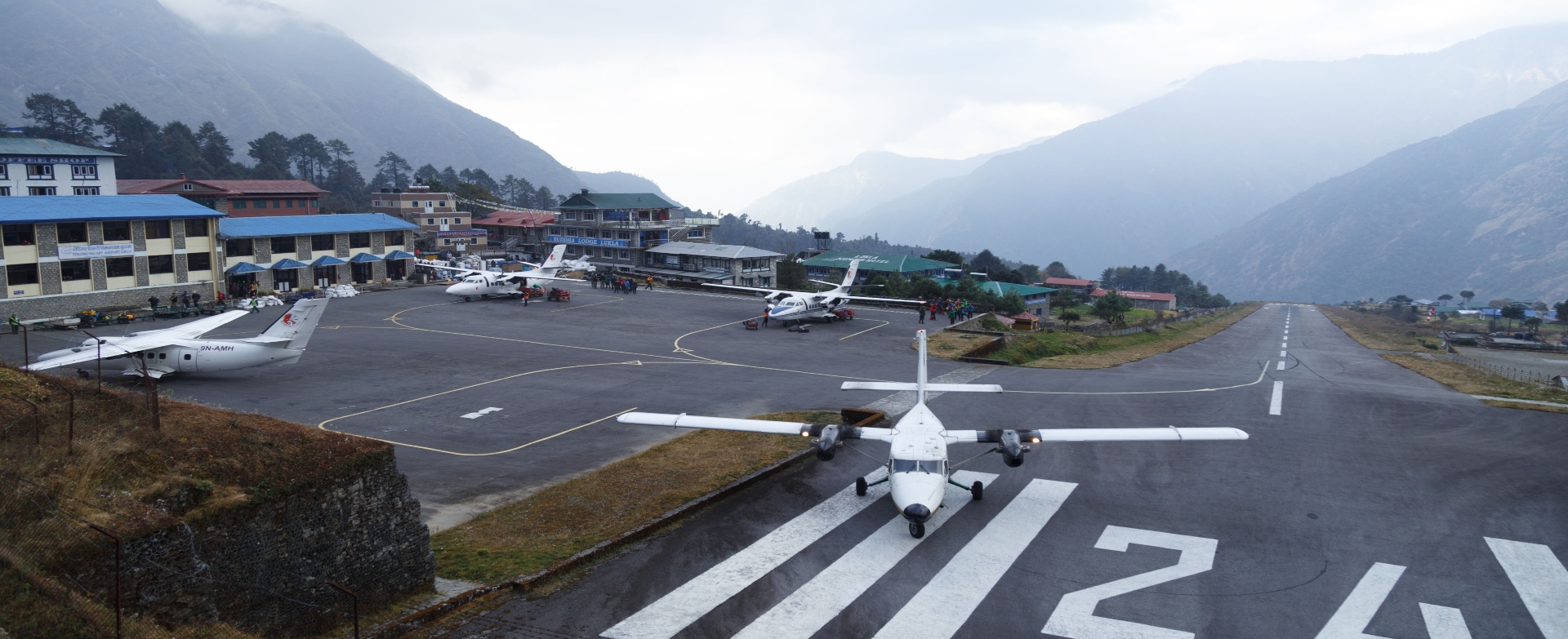
Lukla Flights and Why Prices Jumped in 2026
Every Island Peak itinerary begins and ends with a flight in or out of Lukla, one of the more dramatic short-runway airstrips in the world. Flights now depart from Ramechhap, known locally as Manthali, roughly five hours by road east of Kathmandu, rather than from Kathmandu's main airport, a routing change that has been standard practice for domestic mountain flights during the busier trekking seasons for a few years now.
Aviation fuel costs in Nepal rose sharply through 2026 amid wider regional supply disruptions, and that increase landed directly on ticket prices. A round trip Kathmandu (via Ramechhap) to Lukla flight that cost closer to 350 to 400 dollars a couple of years ago now runs somewhere between 400 and 580 US dollars per person, and prices can shift again with little warning. Weather cancellations are common in this stretch of the Himalayas regardless of season, so it is worth budgeting a buffer day or two in Kathmandu on both ends of your trip in case flights get pushed back.
Guide and Porter Wages
A licensed climbing guide is not a luxury add-on for Island Peak. Nepal's mountaineering regulations require a government certified guide for any NMA managed peak, and honestly, the fixed rope section above high camp is not somewhere you want to be without one. Daily guide wages generally run between 25 and 45 US dollars per day depending on experience and certification level, while porters typically earn 15 to 25 US dollars per day for carrying gear between villages. Over a 14 day itinerary, this adds up to roughly 350 to 700 US dollars per climber when the cost is spread across a small group, which is one of the biggest reasons group size affects your total price so much. A team of two splits a guide's daily wage two ways. A team of eight splits it eight ways.
Teahouse Accommodation and Meals
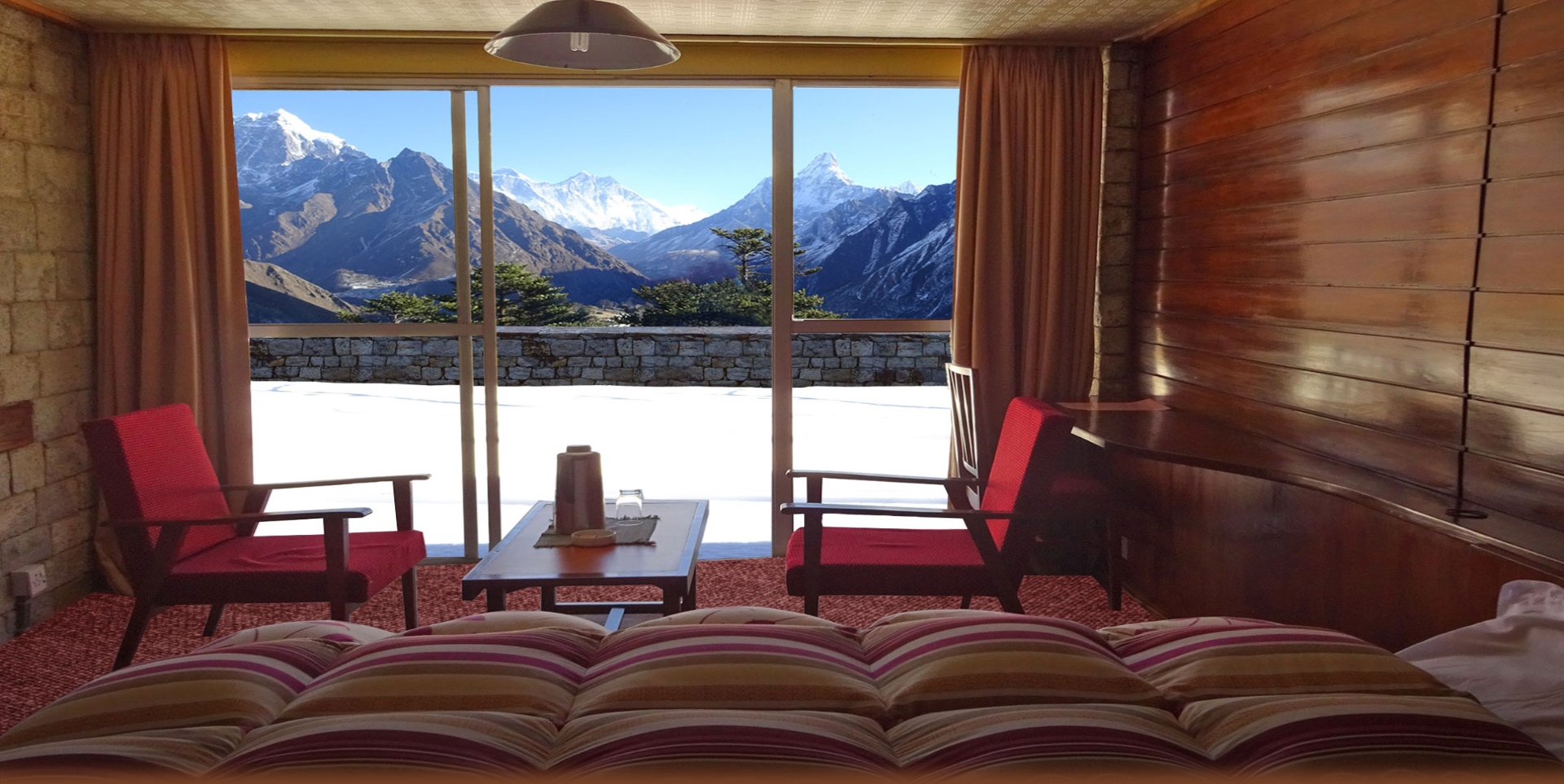
Below Base Camp, you will sleep in teahouses, family run lodges that line the trail from Lukla through Namche Bazaar, Tengboche, Dingboche, and Chukhung. Rooms are basic, usually twin share with shared bathrooms lower down the valley, and meals are ordered off a set menu heavy on dal bhat, noodle soups, and fried potatoes. Budget travelers can expect to spend 15 to 25 US dollars a day on food if paying out of pocket, while most package prices bundle three meals daily plus hot drinks into the cost. Above Chukhung, at Base Camp and High Camp, accommodation shifts to tents, and food is prepared by the climbing crew rather than a teahouse kitchen, which is where a good cook and a reliable kitchen porter genuinely make a difference to how you feel on summit night.
Climbing Gear and Equipment Costs
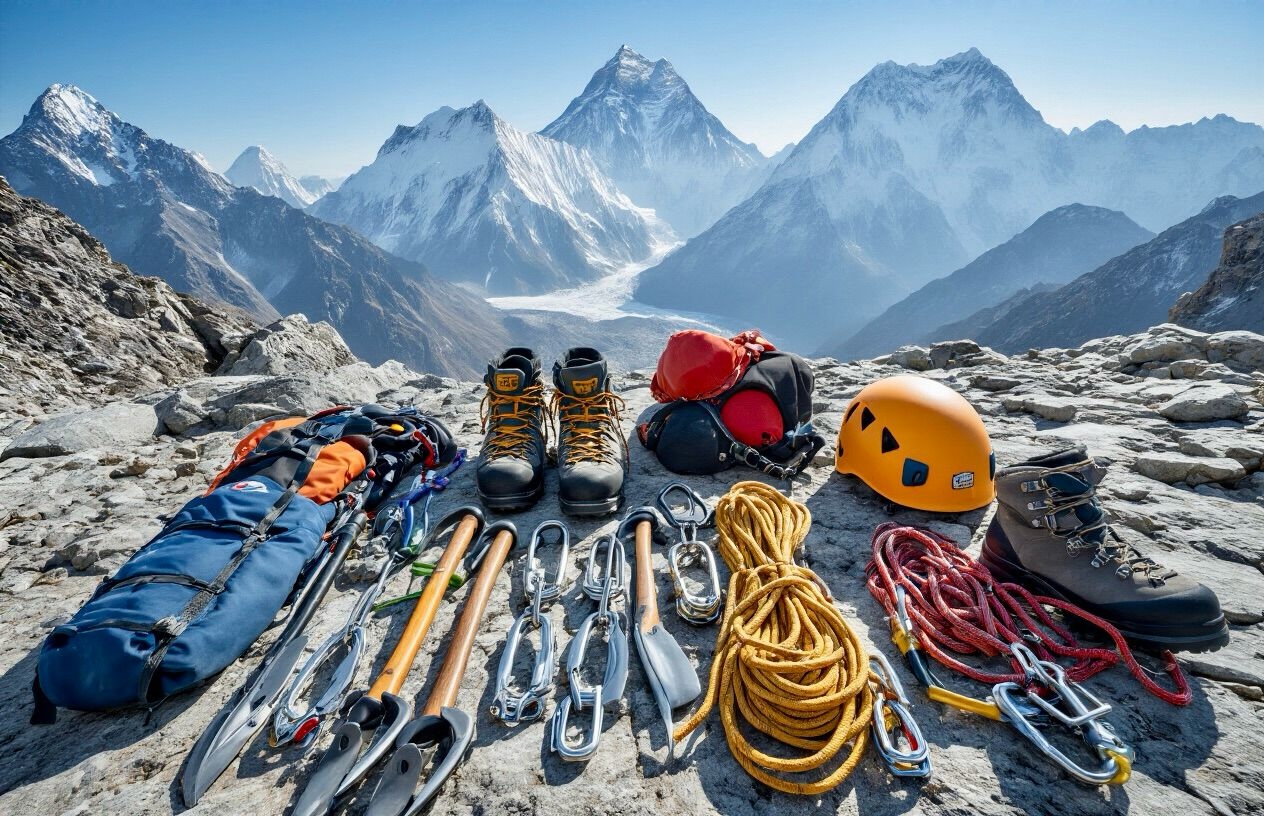
Island Peak is a trekking peak, but the final push above High Camp involves a fixed rope headwall, crampons, an ice axe, a harness, and a jumar. If this is your first time on a rope like this, renting rather than buying makes financial sense.
Kathmandu's Thamel district has dozens of gear shops that rent full mountaineering kits, and rental for the technical items, meaning plastic mountaineering boots, crampons, harness, ascender, and helmet, generally costs between 150 and 350 US dollars for the trip depending on quality and how long you keep the gear. Buying new gear of similar quality would run well over 1,000 dollars, so unless you plan to climb again soon, renting is the more sensible choice for most people.
Personal clothing is a separate line item and one people underestimate. A proper down jacket rated for extreme cold, insulated gloves, a good sleeping bag rated to at least minus 20 degrees Celsius, and layered thermal clothing will run anywhere from 300 to 800 US dollars if you are buying from scratch, though a fair amount of this can also be rented in Kathmandu at a fraction of the retail price.
Travel and Rescue Insurance
This is the one place we tell every climber not to cut corners. Standard travel insurance, the kind that covers lost luggage and a canceled flight, will not pay for a helicopter evacuation from 5,500 meters. You need a policy that explicitly covers mountaineering activity above 6,000 meters and includes helicopter rescue and evacuation. Search for terms like 'high altitude trekking insurance' rather than generic travel cover.
Expect to pay between 150 and 400 US dollars for a policy that meets this bar, depending on your home country, trip length, and the insurer. It is worth confirming the policy names Island Peak's actual elevation, 6,189 meters, within its covered altitude band, since some cheaper mountaineering policies cap out at 6,000 meters exactly and would technically exclude the final summit push.
Budget, Standard, and Premium: What Changes at Each Price Point
Most operators, including us, offer Island Peak in a few service tiers. The mountain and the permits stay the same. What changes is comfort, group size, and how much support you have around you.
Budget Tier ($1,600 – $2,200)
A budget tier package, generally in the 1,600 to 2,200 US dollar range, gets you shared teahouse rooms, a set menu of meals, one shared guide across a larger group, and rented climbing gear included. It is a perfectly safe and common way to climb Island Peak, and plenty of first time climbers choose this route.
Standard Tier ($2,300 – $3,000)
A standard tier package, usually 2,300 to 3,000 US dollars, adds private twin rooms where teahouses allow it, a smaller guide to climber ratio, better food variety, and sometimes a dedicated climbing Sherpa in addition to the trekking guide for the summit push itself.
Premium / Luxury Tier ($3,200 – $4,000)
A premium or luxury tier package, from 3,200 US dollars up to around 4,000, typically includes private rooms throughout, an assigned personal climbing Sherpa, higher meal quality, extra acclimatization days built in as a buffer against weather delays, and sometimes a stay at one of the better lodges in Namche or Dingboche with hot showers and better heating.
Hidden Costs People Forget to Budget For
The advertised package price is rarely the full story. Here is what tends to catch first-time climbers off guard.
-
Tips for your guide, climbing Sherpa, and porters, which is customary and expected in Nepal's trekking industry. Budget roughly 10 to 15 percent of your total trip cost, split among the crew.
-
Extra nights in Kathmandu if Lukla flights are delayed by weather, which happens often enough that it should be treated as a likely event rather than a rare one.
-
Hot showers, battery charging, and wifi at teahouses above Namche, which are almost always paid extras, typically 2 to 5 US dollars each.
-
Snacks, bottled water, and extra hot drinks on the trail, which add up over 14 days even at 2 to 4 US dollars a bottle.
-
Visa on arrival fees for Nepal, which most nationalities pay in cash or card at Tribhuvan International Airport and which are separate from your trekking permits entirely.
-
A summit certificate fee in some cases, and small government stamps that some agencies charge separately rather than folding into the base price.
How to Reduce Your Island Peak Budget Without Cutting Safety
There are honest ways to bring the total cost down and there are ways that just move the risk onto you later. Here is where the safe savings actually are.
-
Climb in autumn rather than spring. The NMA permit fee is roughly half the spring rate, and the weather in October and November is still excellent for summiting.
-
Join a scheduled group departure rather than booking a private trip. Guide and porter wages get split across more people, which is the single biggest lever on price.
-
Rent technical gear in Kathmandu instead of buying it, especially for a first attempt at this altitude.
-
Book Lukla flights and your Kathmandu hotel with some flexibility built in, so a weather delay does not force an expensive last minute rebooking.
-
Avoid the temptation to shorten the itinerary to save a few days of guide wages. Acclimatization days are there to protect against altitude sickness, and cutting them is the one saving that genuinely raises your risk rather than just your comfort.
Sample 14 Day Island Peak Budget for 2026/2027
Putting the pieces together, here is a realistic per person total for a mid range, standard-tier climb booked with a small group in autumn 2026.
|
Item |
Estimated Cost (USD) |
|
NMA climbing permit (autumn) |
175 |
|
Sagarmatha National Park entry |
30 |
|
Khumbu Rural Municipality fee |
20 |
|
Lukla flights round trip |
480 |
|
Guide, climbing Sherpa, and porter costs |
450 |
|
Teahouse lodging and meals, 14 days |
350 |
|
Climbing gear rental |
220 |
|
Kathmandu hotel, 2 nights before and after |
60 |
|
Travel and rescue insurance |
220 |
|
Estimated total |
2,005 |
This total does not include international flights to Nepal, personal down clothing if you choose to buy rather than rent, tips for the crew, or contingency days in case of flight delays. Most climbers should still set aside an additional 400 to 600 US dollars beyond the figures above to cover those variables comfortably.
Why Island Peak Cost Quotes Vary So Much Between Operators
Search for an Island Peak quote and you will see numbers as low as 1,100 dollars sitting next to numbers above 4,000 for what looks like the same itinerary on paper. Most of that gap comes down to what is actually bundled into the price rather than any real difference in the mountain itself.
A cheap quote often assumes a large group, a shared guide across a dozen or more climbers, basic set meals only, and gear rental left entirely up to you to arrange separately once you land in Kathmandu. It may also assume no buffer days, which sounds fine until a Lukla flight gets delayed and you are suddenly paying for extra nights and a rebooked flight that was never in the original budget.
A higher quote usually reflects a smaller group, a better guide to climber ratio, gear support built into the price, acclimatization buffer days already accounted for, and a crew that has climbed together before rather than been assembled for a single trip. Neither approach is dishonest, but it matters that you know which one you are comparing before you book, since the headline number on a website rarely tells the whole story on its own.
One useful habit when comparing quotes is to ask directly what happens if your Lukla flight is delayed by two days, whether the garbage deposit is included or billed separately, and how many climbers will share your guide during the summit push. The answers usually explain the price gap faster than any line by line breakdown can.
Island Peak vs Mera Peak: A Quick Cost Comparison
Island Peak and Mera Peak are the two most commonly climbed trekking peaks in Nepal, and climbers planning a first 6,000 meter summit often weigh one against the other. Since both fall under the NMA's Group B classification, the government permit fee is identical between them. Where the two differ is itinerary length, remoteness, and the amount of technical rope work involved.
|
Factor |
Island Peak |
Mera Peak |
|
NMA permit fee |
175 to 350 USD, seasonal |
175 to 350 USD, seasonal |
|
Typical itinerary length |
14 to 18 days |
15 to 19 days |
|
Summit elevation |
6,189 meters |
6,476 meters |
|
Technical difficulty |
Short fixed rope headwall |
Mostly a long snow walk, less technical |
|
Typical package cost |
1,600 to 3,800 USD |
1,700 to 3,900 USD |
|
Often combined with |
Everest Base Camp trek |
In practice, the total cost difference between the two mountains is small. Mera Peak involves a slightly longer approach through a quieter valley, which can add a day or two of guide and porter wages, while Island Peak's proximity to the main Everest Base Camp trail makes it easier and often cheaper to combine with an Everest Base Camp itinerary in a single trip.
Training and Pre-Trip Preparation Costs
This is a cost category that rarely appears in any Island Peak budget breakdown, yet it affects how safely and comfortably you climb. Most climbers spend some money in the months before departure on cardio training, a few gym sessions focused on leg strength and core stability, and possibly a guided practice day on a climbing wall or via ferrata course to get comfortable with a harness, a jumar, and basic rope movement before doing it for real above 5,500 meters.
None of this is mandatory, and plenty of climbers arrive with no rope experience at all and manage fine under a guide's instruction at Base Camp before the summit push. But if you want to budget for it, a few months of gym access plus a single day of rope practice at an indoor facility typically costs under 150 dollars in most countries, a small expense against the total trip cost, and one that meaningfully improves your comfort on summit night.
A basic altitude fitness test or a check-in with a doctor familiar with high altitude travel is also worth the modest fee, particularly if you have any history of cardiovascular or respiratory issues. Diamox and other altitude medications are inexpensive but should be discussed with a doctor before the trip rather than picked up last minute in Kathmandu.
A Day by Day Look at Where the Cost Goes
It helps to see how a typical 15 day itinerary maps onto the budget categories above, since costs are not spread evenly across the trip. The early days are cheap. The middle and summit days are where the money goes.
-
Day 1 to 2: Arrive in Kathmandu, permit paperwork processed by your agency, gear check and rental if needed. Cost driver here is the hotel and any last minute gear rental.
-
Day 3: Fly Kathmandu to Lukla via Ramechhap, trek to Phakding. This is where the Lukla flight cost lands.
-
Day 4 to 6: Trek to Namche Bazaar with an acclimatization day. Teahouse and meal costs begin here and guide wages are running daily from this point.
-
Day 7 to 9: Trek through Tengboche and Dingboche, with a second acclimatization day, often a short hike up a nearby ridge for altitude adjustment.
-
Day 10 to 11: Trek to Chukhung, then Island Peak Base Camp, with technical training on ropes and crampon use the day before the summit push. Porter wages for gear carry increase here since loads shift toward climbing equipment.
-
Day 12: Move to High Camp and rest before an overnight summit attempt. This is the point where your climbing Sherpa's daily wage and any supplementary oxygen or extra gear costs, if used, are incurred.
-
Day 13: Summit push and descent back to Chukhung or Pangboche. The single most cost intensive day in terms of guide and Sherpa involvement.
-
Day 14 to 15: Trek back toward Lukla and fly back to Kathmandu, with a buffer day commonly built in for weather delays on the return flight.
Why the Permit Has to Go Through a Registered Agency
It is a fair question. Why can a climber not just show up in Namche and pay the NMA directly? The answer comes down to Nepal's climbing regulations, which require every NMA managed peak permit to be processed by a government registered trekking agency, not sold directly to individuals at a counter in the mountains.
In practice, this is a good thing for most climbers. A registered agency handles the mountaineering department paperwork, arranges your licensed guide, and takes on responsibility for your team's garbage deposit and safety compliance. We handle all three permits, the NMA fee, the national park entry, and the municipality fee, as part of every Island Peak booking, so you are not trying to track down separate offices in Kathmandu the week before you fly to Lukla.
Frequently Asked Questions
A full package including permits, guide, porters, teahouse lodging, meals, and Lukla flights typically costs between 1,600 and 3,800 US dollars per person, depending on season, group size, and service level. Autumn climbs cost less than spring climbs because the NMA permit fee drops by roughly half outside the spring season.
As of the current NMA fee schedule, foreign climbers pay 350 US dollars for a spring ascent and 175 US dollars for autumn, winter, or summer. SAARC nationals pay a reduced rate. This fee must be processed through a government registered trekking agency.
Both are Group B peaks under the NMA, so the government permit fee is the same. Total package cost tends to be very similar between the two, with small differences coming from itinerary length, group size, and which teahouses or camps a given operator uses.
No. Package pricing covers permits, in-country logistics, guides, porters, lodging, meals, and domestic Lukla flights. International airfare to and from Kathmandu is booked separately by the climber.
Renting the technical mountaineering kit, meaning plastic boots, crampons, harness, ice axe, and helmet, generally costs 150 to 350 US dollars in Kathmandu. Personal cold weather clothing, if bought new rather than rented, adds another 300 to 800 US dollars.
Aviation fuel costs in Nepal rose sharply in 2026 due to regional supply disruptions, which pushed round trip Kathmandu to Lukla fares up to roughly 400 to 580 US dollars per person, compared to lower prices in previous years.
It is required by virtually every registered agency and is simply not something to skip. Standard travel insurance does not cover high altitude mountaineering or helicopter rescue, so you need a policy specifically rated for activity above 6,000 meters.
The NMA requires a refundable garbage deposit, typically 250 to 500 US dollars per team, to guarantee waste is carried back down rather than left on the mountain. It is returned once the descent and waste removal are confirmed, and is usually handled at the agency level rather than by individual climbers.
No. Nepal's mountaineering regulations require a licensed guide for any NMA managed peak, and the permit itself can only be issued through a registered agency, which by extension means a guide is included. There is no legal solo climbing path for Island Peak.
Autumn is cheaper. The NMA permit fee for autumn is roughly half the spring rate, and teahouse pricing does not change much by season, so the main cost difference between the two seasons comes down to that permit fee.
Most itineraries run 14 to 18 days from Kathmandu to Kathmandu, including acclimatization days in Namche Bazaar and Dingboche, a summit push, and a buffer day for potential Lukla flight delays.
Yes. Nepal's tourist visa is separate from trekking and climbing permits and is paid on arrival at Tribhuvan International Airport in Kathmandu, either in cash or by card, depending on the counter.
Most packages include the NMA climbing permit, national park entry, municipality fee, a licensed guide, porters, teahouse accommodation, meals during the trek, Lukla flights, and support with climbing gear. Tips, personal gear, and international flights are usually separate.
A commonly used guideline is 10 to 15 percent of your total trip cost, split among the guide, climbing Sherpa, and porters, though this varies by group size and how many crew members supported your climb.
Yes, it is one of the more common introductory 6,000 meter climbs in Nepal, largely because the technical section is short and well protected with fixed ropes, though prior trekking at altitude and a reasonable fitness base are still strongly recommended.
About Accessible Adventure
Bringing unforgettable Himalayan adventures to everyone. Our expert guides and carefully curated experiences ensure that everyone can explore the beauty of Nepal, Tibet, and Bhutan.
Learn More