No cancellation fees. No hassle. Book Now, stay relaxed.Cancellation Terms
Island Peak climbing

Starting from

$2,350$2,300/ person
Book Now ↓
Featured

Island Peak climbing

Country

Nepal

Duration

14

Difficulty

Strenuous to Challenging

Max Altitude

6167m

Style

Mountain climbing

Status

March-June & Sept-November

Why Choose the Island Peak climbing

Island Peak (Imja Tse) ranks among the most sought-after trekking peaks in Nepal, providing an ideal mix of an exhilarating climbing experience and a fulfilling trek through the Himalayas. Reaching a remarkable elevation of 6,189 meters / 20,305 ft, Island Peak majestically resides in the center of the Khumbu Region, encircled by the majestic summits of the Everest Region and situated within the untouched Sagarmatha National Park. Its striking location in the Imja Valley, framed by frozen glaciers and towering ridges of the Himalayas, establishes it as an ideal spot for climbers globally.

The journey starts with a picturesque mountain flight to Lukla, the entrance to Everest, followed by an exhilarating trekking path that navigates through famous Sherpa villages like Namche Bazaar, Tengboche, Dingboche, and the Chhukung Valley. These villages provide a chance to engage with Sherpa culture and hospitality, while also acting as essential stops for acclimatization and readiness for the upcoming climb. Numerous climbers enrich their experience with an Everest Base Camp addition or an early morning trek to Kala Patthar, obtaining stunning views of Everest prior to moving on to Island Peak.

Trekking Route

Recognized as an accessible Himalayan summit and an essential training site for major climbs, the Island Peak Expedition provides an ideal initiation into the realm of high-altitude ascents and alpine mountaineering experiences. The path includes hiking along challenging Himalayan paths, maneuvering over glacial areas, employing ropes on inclined ice and rock parts, and enjoying the excitement of climbing on snow and ice. While classified as a moderate to technical ascent, Island Peak offers essential climbing experience for individuals aiming to conquer greater peaks of the Himalayas, including Everest, Lhotse, or Makalu.

The ultimate goal of the adventure is to surmount the summit of Island Peak. Climbers enjoy the panoramic 360-degree view of the Himalayas with spectacular views of Everest, Lhotse, Nuptse, Baruntse, and Makalu in the distance. The dramatic beauty of the mountainous surroundings and the consciousness of having won in one of the most popular Himalaya expeditions in Nepal enhances this sense of triumph at the summit.


Adventure & Experience

The climb can be accessed by determined hikers who are well-prepared, but it requires cautiousness, endurance and a strong sensitivity to altitude sickness. A combination of mountain climbing with the elements of difficult climbing and the physical stamina and the power of the mind demonstrates that this is significant in order to succeed. With the help of systematic support, proper training and gradual adjustment, the task turns into an experience worth remembering and, at the same time, safe and exciting.

Climbing Island Peak is best during spring (March-May) and autumn (September-November), or during the pre-monsoon and post-monsoon climbing seasons. It is the clearest weather of the year, predictable, and the best conditions to ascend safely with comfort.

After all, it is not just climbing the Island peak by the summit, but it is an adventure trip. It combines the physical exhilaration of a challenging yet satisfying trip of climbing the mountain, the beauty of the Himalayas and the culture of the Sherpas. To the adventurous, it means an exciting adventure trip in the Himalayas and to those trying to mount they have a base on the higher heights. Irrespective of the cause, the climb of Island Peak remains one of the most remarkable and unforgettable mountain tour experiences in Nepal.

Trip Summary

DayDestination & ActivitiesDistanceTimeMountain Seen
1

Arrival in Kathmandu (1,338 m/4,390 ft)

10 km 1/2 hrsGanesh Himal (on clear day)
2

Fly to Lukla (2,800 m/9,187 ft) and Trek to Phakding (2,652 m/8,700 ft)

8 km 3-4 hrsKusum Kanguru, Kongde Ri
3

Trek from Phakding to Namche Bazaar (3,438 m/11,280 ft)

11 km6-7 hrsFirst glimpse of Mount Everest, Lhotse, Nuptse; also Thamserku
4

Acclimatization Day in Namche Bazaar

6 km 3-4 hrsPanoramic view of Ama Dablam, Mount Everest, Lhotse, Nuptse, Cho Oyu, Kongde Ri
5

Trek from Namche Bazaar to Tengboche (3,870 m/12,697 ft)

10 km5-6 hrsAma Dablam (close view), Kangtega, Thamserku, Everest, Lhotse
6

Trek from Tengboche to Dingboche (4,360 m/14,305 ft)

11 km5-6 hrsAma Dablam (very close), Lhotse, Nuptse, Island Peak
7

Trek from Dingboche to Chhukung (4,730 m/15,519 ft)

5-6 km 3-4 hrsOutstanding views of Lhotse (south face), Makalu, Ama Dablam, Island Peak, Cho Oyu
8

Hike to Island Peak Base Camp (5,200 m/17,061 ft) and Pre-Climb Training

6 km4-5 hrsIsland Peak, Lhotse South Face
9

Summit Island Peak (6,189 m/20,306 ft) and Return to Base Camp

13 km10-12 hrsMakalu, Baruntse, Lhotse, Ama Dablam
10

Contingency Day -an extra day given in case the targeted summit day has unfavorable weather conditions to summit

--Surrounding Imja Valley peaks
11

Trek from Chhukung to Namche Bazaar (3,438 m/11,280 ft)

16 km6-7 hrsAma Dablam, Thamserku
12

Trek from Namche Bazaar to Lukla (2,800 m/9,187 ft)

18 km6-7 hrsKongde Ri
13

Fly Back to Kathmandu (1,338 m/4,390 ft)

10 km25 minsHimalayan range aerial views
14

Departure from Kathmandu

10 Km 30 mins-

Detailed Island Peak climbing Itinerary

Altitude in:
Scroll to view full route

Scenic Highlights Along the Island Peak climbing

  1. Trek through the breathtaking Khumbu Valley, surrounded by towering Himalayan peaks.
  2. Experience the cultural richness of Sherpa villages, including Namche Bazaar and Tengboche.
  3. Conquer Island Peak Nepal, standing tall at 6,189 meters, with panoramic stunning views of the Everest region.
  4. Camp at the iconic Island Peak Base Camp, a serene haven for acclimatization and preparation.
  5. Navigate thrilling glaciers and ridges during your ascent, making it a memorable peak adventure.
  6. Be guided by experienced Sherpa Guides, ensuring safety and success throughout the journey.
  7. Witness the unparalleled beauty of Himalayan giants, including Lhotse, Makalu, and Ama Dablam.

Additional Information

Fitness & Preparation

 Island Peak is not a light trek, though considered to be an excellent training ground where larger Himalaya expeditions train. Strong heart endurance, strength of legs and mental fitness are needed to operate long days, high mountains and rocky terrain. With good guidance, proper training, and good determination, the climbing becomes a challenging yet greatly rewarding feat to aspiring mountaineers.

Being 6,189 meters (20,305 ft) high, Island Peak offers a fantastic adventure in high altitude and a real Himalayan peak adventure. Its impressive altitude requires some patience, preparation and acceptance of the effects of high altitude. The key to safe and successful climbing is to follow an expertly designed acclimatization program and to move gradually and allow the body time to adapt to the high air.

The climbing route is laid with gradual ascent including some rest intervals and acclimatization rests in Namche Bazaar, Dingboche and Chhukung Valley. These rests are also used to help climbers acclimatize, decrease the risk of altitude sickness and enhance performance in the final ascent. Gradual uphill walks to higher levels and back down to take a break at lower levels are vital to the process and boost the overall acclimatization.

Past elevation training experience (endurance and cardiovascular training) can also help climbers prepare for the challenges of low oxygen levels. Climbing slowly, maintaining a sensual rhythm, taking good water, and eating sufficient water also contribute to successful acclimatization.

With care and patience Island Peak transforms not only to a mountain to climb but an enjoyable high mountain adventure that provides a climber with one of the most memorable experiences at the summit of the Himalayas in Nepal.


Skill Level

Island Peak is also considered a trekking peak because beginners can do it and a perfect Himalayan peak which a beginner can do who wants to do mountaineering in Nepal. Although considered a medium to technical mountain climb, it offers just the right entry to high altitude climbing and requires no prior experience in any expedition. In essential basic mountaineering activities, climbers learn to use crampons and ice axes, to walk safely over the snow and ice and to negotiate steep slopes in difficult conditions.


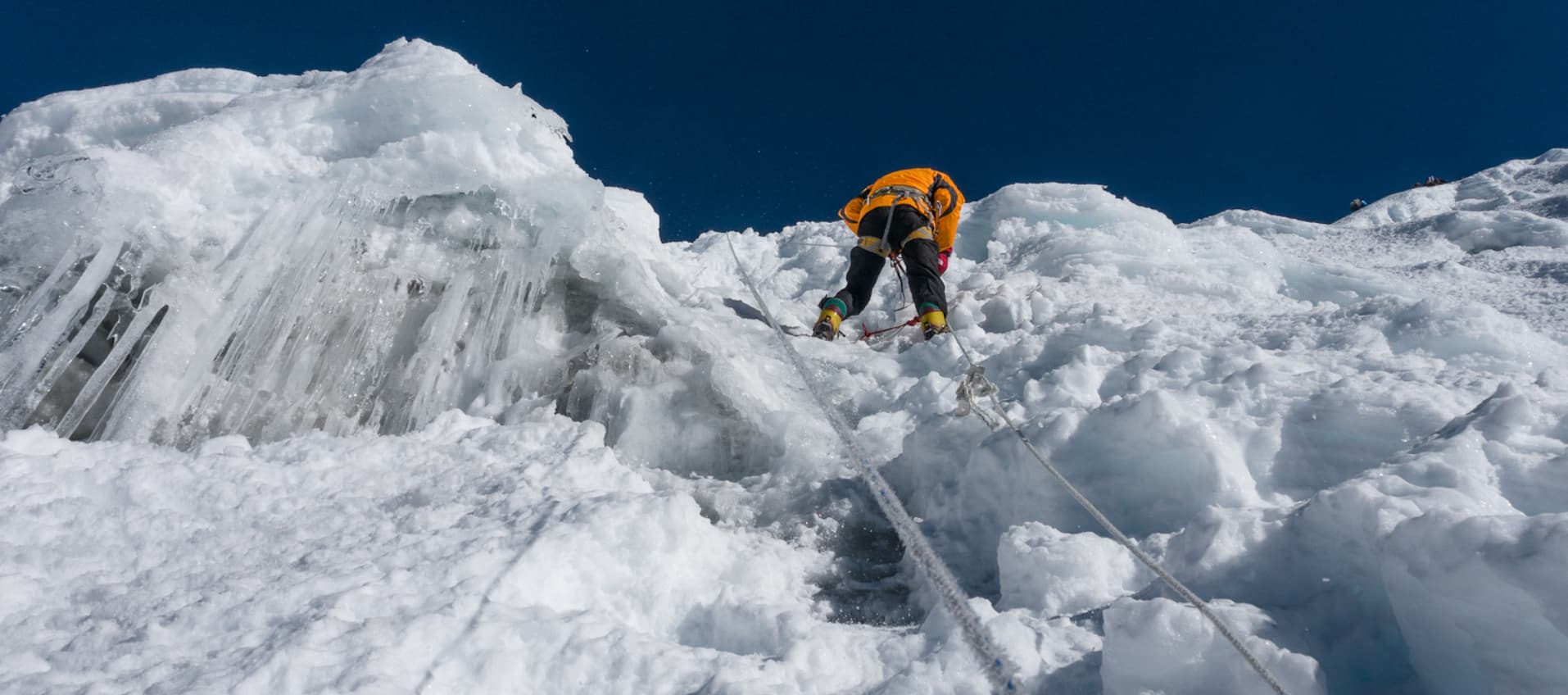
The ascent provides practical experience in rope handling and glacier navigation skills that are vital to those who have the intention to attempt further ascents to higher mountains. Several expeditions in addition to the training session also incorporate climbing practice in a base camp, where the guides demonstrate climbing on fixed ropes, using ladders, and correctly using safety harnesses. Proper guidance and preparation, with Island Peak, serves as a training and trial ground-helping the climbers gain confidence and talent in further, more serious Himalayan guides and climbs to come.

Adventure & Safety

Island Peak Climb is a perfect blend of excitement at altitude, technical challenge and absolute safety. The peak rises up to 6,189 meters making this reputable Himalayan peak testing to the challenging limits, the mountaineer and their alpine skill in exploring one of the most beautiful fields in Nepal. There is a mix of hiking and artful climbing-way through frozen streets, glacial ridges, and roped regions-needing focus, teamwork, and adaptability.

The ultimate concern in this technical ascent in Nepal is safety. The expeditions are led by a government qualified professional climbing guide with expertise on mountain rescue, first aid and safety in climbing a high mountain. Before the summit expedition, climbing personnel perform an in-depth equipment testing, rope handling drills, and crevasse rescue training. Important climbing gears such as helmets, a harness, carabiners, ice axes and crampons are used throughout the climb to ensure enjoyable snow and ice navigation.

More and more, the climbers use fixed ropes on the steep ice spurts and follow a careful pace as they move up into the summit ridge to conserve energy and oxygen. Communication and decision making are also vital, being supported by professional Sherpa climbers who monitor weather conditions and personal health conditions. Between the base camp and summit, team management, directed ascents and high-altitude safety help ensures every single person is enjoying the adventure and at the same time comforted by highly skilled assistance.

The Island Peak Expedition offers a safe and enjoyable, both entry-level and advanced test customers to the Himalayan climbing, a combination of excitement, training, and certainty to reach one of Nepal’s most rewarding summits.

Accommodation

Lodging on the Island Peak Expedition is well designed as it seeks to balance comfort level, traditionalism, and adventure. During the trip to Island Peak Base Camp, mountaineers stay in pleasant Nepalese tea house lodgings, which can be classified as traditional Sherpa family inns, or modern trekking lodges in the Everest Region. Trekking family and friends can enjoy a warm welcome in numerous well-known villages such as Namche bazaar, tengboche, dentaboche, chhukung among others equipped with twin rooms and a pleasant nomadic eat together spot where climbers worldwide share their experiences.

Rooms are typically small and comfortable, furnished with wood, warm blankets and shared bathroom facilities. Many tea houses nowadays offer modern facilities such as Wi-Fi, solar and charging points, allowing you to be constantly connected even in the most remote areas. The beauty of the tea house trek is in its authenticity, to get immersed in the company of Sherpas hosts and live alongside the daily life in the high Himalayas.

At Island Peak Base Camp, the expedition becomes an actual climbing expedition. Expedition sites are equipped with camp tents, each has sleeping bags, sound insulated mattresses, and a dining area furnished and set up by Sherpa support staff. These high altitude camps are arranged efficiently to relax, get warmth and get ready for summit day, giving spectacular sights of surrounding mountains under a starry sky at Himalayan range.

Before and after the expedition, the usual activity of climbers is to stay in hotels of Kathmandu, usually 3 star hotels, with a relaxing environment, hot shower, comfortable beds and delicious food- everything is just right to prepare for the expedition or to celebrate the successful climb of Island Peak.

Meals

Eating food plays a key role in maintaining power, energy, and spirit in the Island Peak Climbing Expedition. The Island peak meal plan is inclusive of meals of breakfast, lunch, and supper over the duration of the trek and ascent. Food is freshly prepared using organic ingredients that have been procured locally, blending traditional Nepali flavor with international food selections to meet the energy demands of the high altitudes.

Climbers enjoy satisfying meals in tea houses with a friendly service. Typically, a standard day will include porridge and eggs in the morning, Dal Bhat (rice, lentil soup and vegetables) at lunch, and various Sherpa stews or pasta or fried rice in the evening. In Nepal vegan and vegetarian options are readily available and special dietary needs can be met on request. Dining in a tea house, enjoying hot cups of butter tea or coffee before a warm stove adds to the cultural richness of the trip.

At Island Peak Base Camp, the food is cooked by a seasoned expedition cook and Sherpa kitchen crew. They offer a healthful, high-energy menu with warm soups, snacks rich in energy and fresh trekking dinners designed to meet the needs of climbers facing cool weather conditions and extreme climbs. Hydration is of priority over boiled drinking water, herbal teas and hot beverages, which helps prevent dehydration and altitude related fatigue.

Newly opened hotel breakfasts Kathmandu to lunch under the stars at high altitudes, every meal on the Island Peak climb is heartening, nutritious, and connects climbers to the spirit of Himalayan adventure.

Best Time to Travel

The most appropriate time during which one can ascend the Island Peak is that which depends on the seasonal climate of Nepal, elevation and the overall visibility in the Everest regions. In spite of the fact that the mountain is climbable all year round, most climbers prefer spring (12 months or March-May) and autumn (12 months or September-November) seasons to undertake their expeditions. The two seasons are the most predictable concerning climatic conditions, the clear mountain views and the safety of climbing. During these months, skies remain blue and clear and the cab ways are dry and Himalayas are in their best scenes. Whether you are hiking in rhododendron woods in the season or looking at a clear view of the Everest in the backdrop, these seasons offer you the best place to have a fruitful adventure into the Island Peak.

Spring Season (March–May) — Pre-Monsoon Climbing Nepal

High-altitude climbing season in Nepal commences with spring and so, is an ideal time to attempt Island Peak. As the snow dissipates, the lower circuits are covered by colorful plants and flowers that open rhododendrons, and offer an enthralling view to trekkers, as well as climbers. Weather conditions in spring are regular with pleasant temperatures during the day and cold but tolerable weather during the night. Temperatures change to +10degC in the day and at night to -10degC and the wind speed is also low on the top so the situation of being on the summit is ideal.

It is a little warmer in the end of March and the beginning of May, but the weekends could be cloudy in the afternoons. Nevertheless, visibility remains excellent with sweeping panoramas of Everest, Lhotse as well as Ama Dablam. Long days and favorable atmospheric conditions of the spring will give the most suitable period to practice climbing ascents and acclimatization and safe summit attempts. Beauty, stability, and comfort are united in harmony making spring the liveliest season of climbers of Island Peak.

Autumn Season (September–November) — Post-Monsoon Climbing Nepal

Fall climbing season is a highly regarded season to which the Island Peak adventures are considered to be the best season. After rainy monsoon seasons, the weather is so clear and the Himalayas can be viewed in a spectacular manner. Fall has good conditions with the fresh air and warm light which gives the best chances to take pictures, hiking and climbing. Daily temperatures vary between 10degC to -5degC during the midday at mid altitudes, and to -10degC to -20degC towards the mountain top.

The weather of autumn is generally clean, calm, and constant and offers an ideal visibility and slight wind. The homogenous environment reduces the chances of weather-related delays and ensures that climbing is smoother. All these ideal conditions mean that the success rates are highest in the months between September and November and the Everest Region is endowed with a rich mix of trekkers and climbers. The combination of the steady weather, clear skies, and the beautiful sceneries in the fall seasons make it a constant favourite amongst the climbers in the Himalayas.

Winter Season (December–February) — Cold but Quiet Climbing

The winter creates a different, and more challenging side of the climb of Island Peak. Although it is not within the peak climbing season, there are those experienced climbers who come to see the isolation and unbiased alpine environment offered by the winter months. The climate in this period remains clear but the temperatures may fall to - 20deg C to - 30deg C in the higher altitudes, along with biting winds and frozen walkways.

The situation would mostly be dry, but the extreme cold and increased snow are problems that make it more difficult. Trekking equipment, warm footwear, and professional guiding support are required by climbers in order to cope with the environment. Despite the difficulties, winter is the season of unrivaled relaxation and great clarity with the opportunity to climb with serene steps out of the flows of bile and fall. Winter gives to the adventure of the Himalaya the most authentic manifestation to the one who is willing to take the risk.

Monsoon Season (June–August) — Not Recommended for Most Climbers

Island Peak has the most undesirable period to attempt climbing when in the monsoon season. Good rains affect the Everest Region between June and August and this causes muddy walk-ways, slippery stones and frequent flight cancellation to Lukla. There is no serious weather, as temperatures are quite mild (around 10degC to 0degC in the higher places), but the humidity and rain make hiking and climbing unpleasant. The lowlands become colorful and green, but the higher in the altitude mist, less visibility, and more avalanche or rockslides are found.

Although there are brave climbers who enjoy the colorful landscape following the rainy season and peaceful trails, this season is not suitable to pursue difficult summits like Island Peak due to malleable ice cover areas and chaotic weather patterns. However, when traveling to the culture, doing photography or off-season expeditions in the low hills of Nepal, the monsoon season can offer a relaxing and green setting. Nevertheless, those climbers aiming at the summits, it is better to avoid such a time and select the stable seasons of spring or fall in its place.

Hiking Regulations and High-Altitude Sensitivity.

 The Island Peak may vary greatly depending on the altitude, season and weather variation. During summit day, the temperatures may drop much below the freezing point and often -10degC -20degC especially early in the morning. Snow and ice conditions in the high altitude demand the use of crampons, ice axes and fixed ropes as the glacier portion often has crevasses and severe ice walls.

The weather conditions in the glaciers are unpredictable, mornings are usually characterized by clear and calm weather but afternoons may bring clouds and strong winds. Up above the wind chill may make it feel much colder than the actual temperature making cold weather clothing, including insulated boots, down suits and layered clothing, quite significant. Crystalline clear weather and good visibility are also often emphatic to the climbers during the pre-monsoon (March-May) and post-monsoon (September-November) seasons, which are considered ideal to scale the peak.

The differences in temperatures with the altitude are also necessary to prepare. At the Island Peak Base Camp (5,200m), the temperatures are between -5degC and 10degC but at the summit of the Island Peak, the temperatures can fall much below -20degC. The changes in temperature are intense as during the day, the weather is very warm due to the sunshine and at night, it changes to cold. The difference between the temperatures in the day and night is necessary to select appropriate equipment and guarantee the constant temperature of the body during the ascent.

Security & Adaptation

 The Himalaya is all about safety being the pillar of each climb and the Island Peak Climbing Safety plan ensures that the participants are properly prepared to tackle any challenges. The expedition shows the safe climbing practices in Nepal, including route awareness, the proper use of equipment, and constant evaluation of physical conditions. We follow an expedition safety protocol, which is applicable to the Himalayan expeditions, combining the modernized techniques of climbing with the ancient experience of the Sherpas.

The climbers will be accompanied by certified Sherpa guides who are well trained on high altitude rescue skills, rope handling and crisis management. These trained professionals facilitate an adventure travel approach, which is safety-based and therefore ensures that every participant reaches the summit safely within their physical and ecological limits. In Nepal, there is an emergency rescue service that is always on call and the necessary coordination to make a helicopter evacuation is achieved in any case of unexpected medical or weather emergency.

The most important aspect of preventing the health problems related to altitude is acclimatization. The acclimatization of the Island Peak schedule will aim at ensuring that the body gradually becomes adjusted to the decreased oxygen levels. Several nights are spent by the climbers in such strategic elevations as Namche Bazaar (3,440m) and Dingboche (4,410m), which are the most suitable to rest and adapt to the new conditions. The high-altitude acclimatization trek before the base camp is characterized by gradual ascending of mountains and vigorous walking to enhance natural oxygenation.

We also have the right days of acclimatization and altitude training of climbers with the help of short hikes and basic mountaineering exercises. The prevention of altitude sickness in Nepal is achieved through the application of the principle of climb high, sleep low whereby climbers are able to go higher during the day, and come down to a lower altitude to sleep.

Crisis & Health Readiness

 The wellbeing of each climber is our utmost concern. The package includes detailed measures of high-altitude sickness prevention, with the focus on hydration, a balanced diet, and the recognition of the early AMS symptoms (Acute Mountain Sickness). The itinerary has an emergency evacuation strategy, which is supported by a helicopter rescue service in Nepal that is ready to take immediate action.

The guide team will also be equipped with a full first aid kit of hikers which will include medicines against altitude sickness, pain killers and wound dressings. There is oxygen and medical support in the base camp and high camp in the critical emergencies. All the participants are trained on how to use safety equipment in Island Peak, the use of oxygen regulators, pulse oximeters, and portable altitude chambers with the possible need.

Skill Proficiency and Pre-Climb Preparation

 Before the climb to the summit, the climbers undergo a rigorous pre-climb training and orientation on safety at base camp. It includes rope management and glacier education, which teaches such essential skills as self-arrest, climbing on immobile ropes, and the use of an ice axe. The program entails the knowledge of safety equipment in technical climbing i.e. ensuring that harnesses are properly fitted, carabiners are locked and that helmets are owned.

The participants become aware of crevasse rescue, they learn how to identify and pass glacial cracks safely. The expedition readiness training is done by professional climbing instructors to allow climbers to have training on real glacier ice walls and a simulated rope segment. Besides confidence, the same training enhances teamwork, coordination, and emergency response skills essential in attaining the summit success.

Oxygen Level Chart During Island Peak Climbing


Oxygen Level Chart During Island Peak Climbing

S.N Altitude  Oxygen Level
1 Lukla (2,860 m) 21%
2 Phakding (2,610 m) 20.50%
3 Namche Bazaar (3,440 m) 19.50%
4 Tengboche (3,860 m) 18.50%
5 Chhukung (4,410 m) 17.50%
6 Island Base Camp (5,087 m) 16.50%
7 High Camp (5,500 m) 15.50%
8 Summit (6,189 m) 14.50%


Everything you need to know

Frequently Asked Questions About The Island Peak climbing

General

At Beginner-Friendly Trekking Company, we focus on secure, structured, and fulfilling Himalayan journeys. Having more than ten years of experience, our licensed Sherpa guides, premium gear, and tailored service guarantee that every climber has the highest likelihood of reaching the summit safely and with confidence. Our emphasis is on safety, comfort, and authenticity, providing value via transparency, local knowledge, and professional support — from Kathmandu to the summit of Island Peak.

The Island Peak is a magnificent mountain of 6,189 meters (20,305 feet) of the sea level. It is perched in the Khumbu region and surrounded by mythical peaks of the Himalayas including Lhotse, Nuptse, Ama Dablam and Baruntse, making it one of the most beautiful ascents in Nepal.

The default program of Island Peak Climbing is 17-20 days, including trekking days, acclimatization days and summit days. In case people are willing to combine the Everest Base Camp Trek, the trip takes about 22-24 days. The itineraries offered by our Beginner-Friendly Trekking company are flexible to suit your time frame, fitness and just your likes.

Your security is our main concern. Beginner-Friendly Trekking company guarantees that each journey features:

  •       Qualified and insured Sherpa guides
  •       Thorough adaptation timetable
  •       Emergency supplies and respiratory assistance
  •       Devices for monitoring weather and communication
  •       We uphold an excellent safety track record founded on expertise and concern

Absolutely — it's among our top combinations!
You can hike to Everest Base Camp for acclimatization and then ascend Island Peak for the ultimate experience in the Himalayas. It’s the ideal combination of exploration, heritage, and accomplishment.

Island Peak climbing Departures

Select Departure Date

Trip duration: 14 Days

May - Jun 2026

May 2026

Su
Mo
Tu
We
Th
Fr
Sa
1
2
3
4
5
6
7
8
9
10
11
12
13
14
15
16
17
18
19
20
21
22
23
24
25
26
27
28
29
30
31

June 2026

Su
Mo
Tu
We
Th
Fr
Sa
1
2
3
4
5
6
7
8
9
10
11
12
13
14
15
16
17
18
19
20
21
22
23
24
25
26
27
28
29
30
Your Trip
USD 2,350SAVE $50
USD 2,300/ person

Best Price Guaranteed

1-0 People
USD 2,350/ Person
2-3 People
USD 2,300/ Person
4-7 People
USD 2,250/ Person
8-13 People
USD 2,199.99/ Person
14-21 People
USD 2,150/ Person

Speak to an Expert

Laxmi Malla
Hari Kumar Shrestha
Himal Shrestha
Shiva Kumar Shrestha
UR Ghale

Himal Shrestha

Director 🇳🇵

Expedition Success

100%

Expeditions
to Summit

100%

Climber
Summit Rate

15

Climbers
Guided

Meet Our Expert Guides

Ongchhu Sherpa

Ongchhu Sherpa

Peak Climbing Guide

15 years of experience

Meet the Legendary Mr. Ongchu Sherpa, our expert peak climbing guide. He is an experienced climber with a passion for adventure and a wealth of knowledge in the Himalayas. Ongchu Sherpa is a professional climber who has accomplished many notable summits, especially Mera Peak, Island Peak, and Lobuche Peak. His deep familiarity with the mountains and his unwavering commitment to professionalism and safety make him a priceless colleague on our team.
Lakpa Sherpa

Lakpa Sherpa

Climbing Guide

16 years of experience

Lakpa Sherpa is a seasoned mountaineer with a remarkable history of climbing numerous mountain peaks with groups and climbers from all over the world. He has more than ten years of experience and is widely regarded as one of the most trustworthy hiking and climbing guides. Peaks such as Tukuche, Island Peak, Mera Peak, Everest, Kanchenjunga, Makalu, and Lobuche are among those he has successfully ascended.
Kipa Sherpa

Kipa Sherpa

Climbing Guide

17 years of experience

Kipa is an experienced climber working as a climbing guide and has been active in this sector since 2006. He evaluates your capability for climbing and mountaineering and guides you to snowy summits accordingly. With an extensive background in climbing and mountaineering, he has successfully completed the ascent of 7000-meter massifs on multiple occasions.
Rengi Lakpa Sherpa

Rengi Lakpa Sherpa

Climbing Guide

18 years of experience

Rengi Lakpa Sherpa was born in the Makalu region and has completed the ascent of Mount Everest twice, along with summiting a number of other notable mountains. He has climbed a significant number of peaks in Nepal and Tibet and leads expeditions as a professional trek and climbing leader.

Similar Packages

Now Offering 100% Private Treks

Explore Nepal's breathtaking trails at your own pace with our exclusive private treks. No strangers, no rushed schedules—just you, your adventure, and complete flexibility. Enjoy personalized itineraries, expert guides, and a safety-first approach designed for unforgettable experiences.

Tailor-Made Itineraries

Plan your trek exactly how you want it. Choose destinations, duration, and activities that suit you.

Dedicated Guide & Porter

Enjoy expert guidance and personal assistance every step of the way.

Safety & Health Focus

We ensure proper acclimatization, medical support, and emergency readiness.

Flexible Scheduling

Pick your own travel dates and move at a pace that suits your adventure style.

Privacy & Comfort

Ideal for couples, families, and friends who want a fully private experience.