No cancellation fees. No hassle. Book Now, stay relaxed.Cancellation Terms
Island Peak with Everest Base Camp & Gokyo Lakes Trek

Starting from

$2,395$2,350/ person
Book Now ↓

Island Peak with Everest Base Camp & Gokyo Lakes Trek

Country

Nepal

Duration

21 Days

Difficulty

Strenuous to Challenging

Max Altitude

6189m

Style

Peak Climbing

Status

March-June & Sept-November

Why Choose the Island Peak with Everest Base Camp & Gokyo Lakes Trek

Discover Accessible Adventure: Everest Base Camp with Gokyo Lakes and Island Peak

Embark on a life-changing journey combining the Everest Base Camp Trek, Gokyo Lakes Trek, and Island Peak Climb, offering breathtaking Himalayan vistas and unforgettable adventures.

Trip Overview: The Ultimate Himalayan Adventure

The Everest Base Camp with Gokyo Lakes and Island Peak package is the perfect blend of trekking and climbing in Nepal's mesmerizing Khumbu region. This incredible journey takes you through picturesque trails, tranquil lakes, and thrilling ascents. With every step, you’ll witness Nepal's cultural charm, diverse landscapes, and the grandeur of the Himalayas.

The adventure begins with the iconic Everest Base Camp Trek, where you’ll walk in the footsteps of legendary climbers. As you trek along this celebrated route, you’ll marvel at panoramic views of Mount Everest and neighboring peaks. From here, the journey shifts to the serene Gokyo Lakes Trek, showcasing turquoise alpine lakes surrounded by snowy peaks. This trek also includes the challenge of crossing Cho La Pass, connecting two of the most sought-after trekking routes.

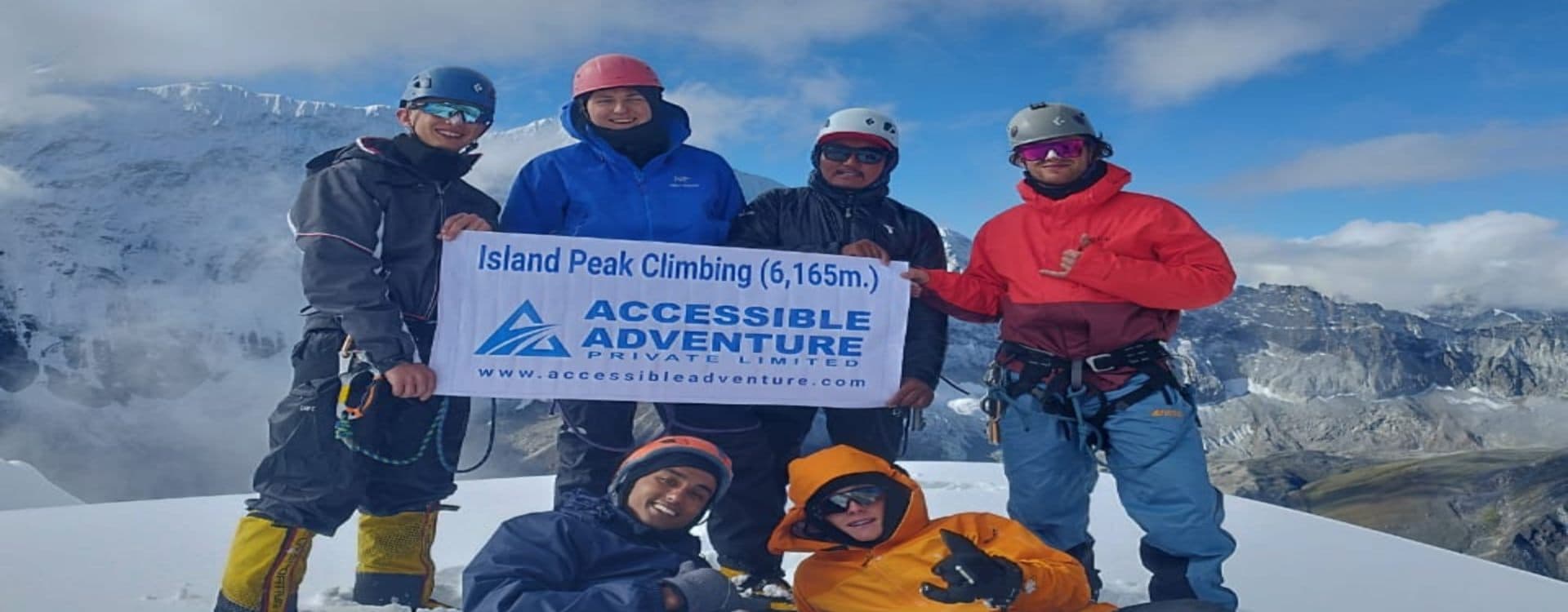
For thrill-seekers, the highlight is the Island Peak Climb. Standing at 6,189 meters, Island Peak offers a beginner-friendly yet exhilarating mountaineering experience. This ascent not only rewards you with unmatched views from the summit but also provides a sense of personal achievement. The Island Peak Summit is an excellent option for trekkers transitioning to mountaineers.

Highlights of the Trekking Package

Unforgettable Everest Base Camp Experience

The journey to the Mount Everest Base Camp is a dream for many adventurers. It combines stunning scenery, vibrant Sherpa culture, and the thrill of standing at the foot of the world's highest mountain. This portion of the trek sets the stage for the more adventurous sections to come.

Serenity at Gokyo Lakes

The Gokyo Lakes and Everest Base Camp trek introduces you to Nepal's pristine beauty. The Gokyo Lakes trekking route takes you past tranquil glacial lakes and stunning viewpoints like Gokyo Ri, where you can soak in panoramic vistas of Everest, Lhotse, and Cho Oyu. It’s a peaceful yet exhilarating part of the expedition.

Thrill of the Island Peak Climb

The Island Peak Expedition is a once-in-a-lifetime experience for those seeking an adventurous edge. The Island Peak climbing route is designed to suit both beginners and experienced climbers, with expert guides providing essential Island Peak climbing tips. While the Island Peak difficulty is moderate, proper preparation ensures your Island Peak summit success.

Why Choose This Package?

This well-structured Everest trekking itinerary combines diverse experiences, from serene trekking to heart-pumping climbing. It caters to adventurers looking for a comprehensive Nepal trekking tour that highlights the best of the Everest region trekking. Additionally, our expert guides ensure your safety while navigating challenging terrains, crossing Cho La Pass, and addressing potential issues like altitude sickness Everest trek.

Best Time to Embark on the Adventure

The best time to trek to Everest Base Camp and climb Island Peak is during spring (March-May) and autumn (September-November). These seasons offer stable weather, clear skies, and optimal climbing conditions, ensuring an unforgettable experience.


A Perfect Blend of Trekking and Climbing

This Gokyo Lakes and Island Peak trek is an all-encompassing adventure designed for those craving a blend of cultural exploration and physical challenges. From trekking through the Khumbu region to climbing Island Peak, it’s a journey that promises adventure, serenity, and memories to last a lifetime. Take the plunge into Nepal mountain trekking and create your story of triumph in the Himalayas!

Trip Summary

DayDestination & ActivitiesDistanceTimeMountain Seen
1

Arrival in Kathmandu (1,400m)

10 km30 minsOn a clear day: Langtang Lirung, Ganesh Himal (from flight)
2

Fly to Lukla (2,860m) → Trek to Phakding (2,610m)

7 KmFlight: 35min, Trek: 5-6 hrsKusum Kanguru
3

Phakding → Namche Bazaar (3,440m)

11 km6-7 hrsFirst glimpse of Mount Everest, Lhotse, Nuptse; also Thamserku
4

Acclimatization in Namche (3,440m)

5 km4-5 hrsPanoramic view of Ama Dablam, Mount Everest, Lhotse, Nuptse, Cho Oyu, Kongde Ri
5

Namche → Dole (4,200m)

11 km5-6 hrsAma Dablam, Kangtega
6

Dole → Machhermo (4,470m)

5-6 km5-6 hrsCho Oyu
7

Machhermo → Gokyo Lake (4,790m)

7 km4-5 hrsCho Oyu
8

Hike Gokyo Ri (5,357m) → Thangnak (4,700m)

8 km6-7 hrsEverest, Lhotse, Makalu
9

Cross Cho La Pass (5,420m) → Dzongla (4,830m)

9 km7-8 hrsCholatse
10

Dzongla → Lobuche (4,940m)

7 km4-5 hrsNuptse
11

Lobuche → Everest Base Camp (5,364m) → Gorakshep

13 km7-8 hrsEverest, Pumori
12

Hike Kala Patthar (5,545m) → Lobuche (4,940m)

9 km6-7 hrsEverest, Nuptse
13

Lobuche → Kongma La Pass (5,535m) → Chhukung (4,730m)

10 km7-8 hrsMakalu, Lhotse
14

Chhukung → Island Peak Base Camp (5,100m)

6 km5-6 hrsIsland Peak
15

Summit Island Peak (6,189m) → Chhukung

12 km10-12 hrsLhotse, Ama Dablam
16

Contingency Day

---
17

Chhukung → Namche Bazaar (3,440m)

18 km7-8 hrsAma Dablam
18

Namche → Lukla (2,860m)

20 km7-8 hrs-
19

Fly Lukla → Kathmandu (1,400m)

-30 mins flightHimalayan Aerial View
20

Leisure Day in Kathmandu

---
21

Final Departure

---

Detailed Island Peak with Everest Base Camp & Gokyo Lakes Trek Itinerary

Cost Details

Price Includes

1. Airport & Ground Transfers

  • All airport pick-up and drop-off services in Kathmandu
  • Private tourist vehicle for all ground transportation as per the itinerary

2. Accommodation

  • 4 nights in a premium hotel in Kathmandu (twin-sharing, BB plan)
  • Best available teahouse/lodge accommodation during the trek (twin-sharing basis)
  • 1 night at Island Peak Base Camp (tented accommodation with full camping setup)

3. Domestic Flights

  • Round-trip flight: Kathmandu – Lukla – Kathmandu
  • Airport taxes and cargo allowance for trekking gear

4. Meals During Trek

  • 3 meals per day (Breakfast, Lunch, Dinner) during trekking and climbing period
  • Freshly prepared local and international meals at teahouses and base camp
    (Note: Tea/coffee and beverages are not included)

5. Trekking & Climbing Crew

  • Experienced, government-licensed trekking guide
  • Professional climbing guide for Island Peak summit push
  • Strong and reliable porters (1 porter for 2 trekkers, max 25kg load)
  • Base camp support crew (cook, kitchen staff, helpers)

6. Permits & Entry Fees

  • Sagarmatha National Park entry permit
  • Khumbu Pasang Lhamu Rural Municipality permit
  • Island Peak climbing permit (NMA)
  • All necessary government taxes and paperwork

7. Climbing Logistics

  • Full camping equipment at Island Peak Base Camp (tents, dining tent, kitchen tent, toilet tent)
  • Climbing gear (fixed ropes, ice screws, anchors set by guides)
  • Group climbing equipment (rope, ice axes where required)

8. Safety & Medical Support

  • Comprehensive first aid medical kit
  • Pulse oximeter for daily oxygen saturation monitoring
  • Assistance in arranging rescue/evacuation (covered by client’s insurance)

9. Staff Welfare

  • Insurance, food, accommodation, and salary for all Nepali staff
  • Proper trekking and climbing gear for crew

10. Additional Services

  • Trekking map and company duffel bag (returnable)
  • Government taxes, VAT, and service charges
  • Farewell dinner in Kathmandu

Price Excludes

1. International Travel

  • International airfare to/from Kathmandu
  • Nepal visa fees (on arrival)

2. Personal Expenses

  • Tea, coffee, bottled drinks, and alcoholic beverages
  • Hot showers, Wi-Fi, battery charging during trek
  • Personal shopping, laundry, and tips

3. Meals in Kathmandu

  • Lunch and dinner in Kathmandu (except farewell dinner)

4. Travel Insurance (Mandatory)

  • Comprehensive travel insurance covering:
  • High-altitude trekking (above 6,000m)
  • Emergency helicopter evacuation
  • Medical expenses and trip cancellation

5. Personal Trekking & Climbing Gear

  • Climbing boots, crampons, harness, helmet, down jacket, sleeping bag (available for rent if needed)

6. Extra Costs Due to Unforeseen Situations

  • Flight delays/cancellations (especially Lukla flights)
  • Early return from trek
  • Additional nights in Kathmandu or the mountains
  • Natural disasters, weather, and political conditions

7. Tips & Gratuities

  • Tips for guides, porters, and climbing crew (customary but not mandatory)
Altitude in:
Scroll to view full route

Scenic Highlights Along the Island Peak with Everest Base Camp & Gokyo Lakes Trek

  1. Explore the Legendary Everest Base Camp: Walk in the footsteps of mountaineering legends and witness the awe-inspiring views of Mount Everest up close.
  2. Marvel at the Pristine Gokyo Lakes: Discover the beauty of turquoise alpine lakes surrounded by towering snow-capped peaks.
  3. Conquer Island Peak Summit (6,189m): Experience the thrill of a beginner-friendly climb with breathtaking views from the summit.
  4. Panoramic Vistas from Gokyo Ri and Cho La Pass: Enjoy unrivaled views of Everest, Lhotse, Makalu, and Cho Oyu from iconic viewpoints.
  5. Immerse in Vibrant Sherpa Culture: Visit traditional villages, ancient monasteries, and experience the warm hospitality of the Khumbu region.
  6. Trek Through Varied Landscapes: Traverse lush forests, rugged trails, and glacial valleys, showcasing Nepal's diverse natural beauty.
  7. Expert Guidance and Support: Benefit from experienced trekking guides, safety measures, and Island Peak climbing tips for a seamless adventure.

Additional Information

Everest Base Camp via Gokyo & Island Peak Climb- Estimated SpO₂ (%)

Day Place Estimated SpO₂ (%) Comment
01 Kathmandu 96–98% Baseline level, optimal oxygen saturation
02 Lukla → Phakding 92–95% Mild altitude exposure, stable adaptation phase
03 Phakding → Monjo → Namche Bazaar 88–92% Noticeable drop, breathing rate increases
04 Namche → Everest View Hotel → Namche 85–90% Acclimatization rotation improves oxygen efficiency
05 Namche → Mong La → Dole 82–88% Entry into high-altitude zone
06 Dole → Machhermo 80–85% Increased fatigue, hydration critical
07 Machhermo → Gokyo Lake 78–83% Thin air, slower movement required
08 Gokyo → Gokyo Ri → Thangnak 75–80% High altitude stress, strong acclimatization benefit
09 Thangnak → Cho La Pass → Dzongla 70–78% Critical zone, risk of AMS increases
10 Dzongla → Lobuche 75–82% Slight recovery after pass crossing
11 Lobuche → Everest Base Camp → Gorakshep 70–78% Extreme altitude, energy depletion likely
12 Gorakshep → Kala Patthar → Lobuche 68–75% Lowest oxygen levels, summit viewpoint push
13 Lobuche → Kongma La Pass → Chhukung 68–75% Physically demanding, technical terrain
14 Chhukung → Island Peak Base Camp 72–78% Pre-climb preparation phase
15 Base Camp → Island Peak Summit → Chhukung 60–70% Extreme altitude, supplemental oxygen sometimes used
16 Contingency Day (Chhukung / Base Camp) 72–80% Recovery or weather buffer
17 Chhukung → Pangboche → Tengboche → Namche 88–92% Rapid oxygen recovery, energy rebounds
18 Namche → Monjo → Lukla 92–95% Comfortable breathing restored
19 Lukla → Kathmandu 96–98% Full recovery zone
20 Kathmandu (Leisure) 96–98% Rest, wellness, optional exploration
21 Departure End of expedition


A Typical Day in Island Peak Climbing and During Trekking

The Island Peak Climbing and Trekking journey combines challenging mountain ascents with scenic trekking through the Khumbu region. Each day is unique, filled with spectacular landscapes, cultural experiences, and physical challenges. Below is an outline of what a typical day looks like during both the trekking and climbing phases.

A Typical Day During Trekking

The trekking days follow a steady rhythm designed to maximize your comfort, acclimatization, and enjoyment of the breathtaking surroundings.

  • Morning:
    Your day begins early, usually around 6:30 AM, with a wake-up call from your guide or porters. After freshening up, you’ll enjoy a hearty breakfast at the teahouse. Breakfast options often include porridge, toast, eggs, or pancakes, paired with tea or coffee. Once fueled up, the group packs their gear, and the trek starts by 7:30 or 8:00 AM.

As you begin walking, the crisp morning air invigorates you, and the rising sun bathes the mountains in golden light. The trail may pass through villages, dense forests, or alpine meadows, with frequent stops to admire panoramic views of towering peaks like Ama Dablam, Lhotse, and Everest.

  • Midday:
    After 3-4 hours of trekking, you’ll stop for lunch at a teahouse along the trail. Lunch often includes dal bhat (rice and lentils), noodles, or momos (dumplings). These meals provide the necessary energy for the afternoon trek.
  • Afternoon:
    The trail continues, with more incredible vistas and cultural encounters as you pass prayer wheels, Mani walls, and suspension bridges. Depending on the altitude, the pace may slow to aid acclimatization. By mid-afternoon, you’ll arrive at the day’s destination, typically a village with a teahouse offering basic accommodations.
  • Evening:
    Once settled, there’s time to explore the village or relax. Dinner is served in the communal dining area, where trekkers share stories and enjoy meals like soups, pasta, or traditional Nepali cuisine. Afterward, you’ll prepare for the next day, check equipment, and rest early, as most trekkers are asleep by 9:00 PM.

A Typical Day During Island Peak Climbing

The summit day for Island Peak (6,189m) is much more demanding and follows a structured schedule to ensure safety and success.

  • Midnight Start:
    The climb begins around midnight or 1:00 AM to take advantage of stable weather conditions. After a light meal and gearing up with crampons, harnesses, and headlamps, you’ll leave the base camp and begin the ascent.
  • Early Hours:
    The climb starts with a rocky trail, gradually transitioning to steep slopes and snow-covered terrain. The route includes sections of glacier travel, requiring roped climbing techniques. Guides ensure safety, setting up fixed ropes where needed. The crisp night air and the glow of headlamps create an atmosphere of focus and determination.
  • Summit Push:
    The final ascent involves scaling a steep snow wall and a narrow ridge leading to the summit. Reaching the top at sunrise is a breathtaking experience, with 360-degree views of Everest, Lhotse, and Makalu. After capturing photos and savoring the moment, the group begins the descent.
  • Return to Base Camp:
    The descent is equally challenging, requiring careful navigation of icy slopes. By mid-morning, you’ll return to base camp for rest and a hearty meal.
  • Back to Chhukung:
    After a brief rest at base camp, you’ll continue descending to Chhukung, where you can relax, celebrate your achievement, and recover.

Whether trekking through the Khumbu region or climbing Island Peak, each day is a balance of physical effort, stunning scenery, and rewarding experiences. Both phases are designed to challenge and inspire, leaving you with unforgettable memories of the Himalayas.


Best Time of the Year for Island Peak Climb and Trekking

The Island Peak Climb and Everest Region Trek is a remarkable adventure that requires careful planning, including selecting the best time of the year. The Himalayas experience diverse weather conditions throughout the year, and choosing the right season can greatly impact your experience. The two most popular times for trekking and climbing are spring (March-May) and autumn (September-November), while winter and monsoon seasons appeal to trekkers with specific preferences.

Spring (March to May): A Season of Renewal

Spring is one of the best times to undertake the Island Peak Climb and trekking in the Everest region. During this season, temperatures are moderate, ranging from 10°C to 15°C during the day at lower elevations, with cooler temperatures at higher altitudes.

The trails come alive with blooming rhododendrons, magnolias, and other alpine flowers, creating vibrant landscapes that enhance the trekking experience. Clear skies and stable weather provide excellent visibility of the towering peaks, making this a prime season for photography.

For climbers, spring offers optimal conditions for summiting Island Peak, as snow and ice are stable and temperatures at the summit are less extreme compared to winter. This is a popular season, so the trails and teahouses are lively, creating a vibrant atmosphere with trekkers from around the world.

Autumn (September to November): The Golden Season

Autumn is the most popular trekking season in the Everest region. After the monsoon rains, the skies are crystal clear, and the mountain views are unparalleled. Daytime temperatures are similar to spring, ranging from 10°C to 15°C, with cooler nights.

The weather during autumn is stable, with minimal chances of rain or snowfall, making it ideal for both trekking and climbing. The clean air after the monsoon enhances visibility, offering stunning panoramic views of Everest, Lhotse, Ama Dablam, and other peaks.

This season is also rich in cultural experiences, as major festivals like Dashain and Tihar take place during autumn, allowing trekkers to immerse themselves in local traditions. However, due to its popularity, teahouses and trails can be crowded, so early bookings are recommended.

Winter (December to February): A Quiet Adventure

Winter brings cold temperatures, especially at higher altitudes, with daytime temperatures ranging from -5°C to 5°C and much colder nights. Snowfall can make high passes and the Island Peak climb more challenging, but the rewards include quieter trails, pristine landscapes, and crystal-clear skies.

For those seeking solitude and an adventurous spirit, winter trekking offers a unique experience. Proper gear and preparation are essential to cope with the cold and potential snow-covered trails.

Monsoon (June to August): A Season of Lush Beauty

The monsoon season is less popular due to frequent rainfall, cloudy skies, and muddy trails at lower elevations. However, the valleys become lush and green, and the landscapes are vibrant. While trekking during the monsoon requires patience and flexibility due to weather delays, it is a quieter time with fewer crowds.

High-altitude areas like Island Peak are less affected by the monsoon, but climbers and trekkers must be prepared for slippery trails and potential flight delays to and from Lukla.

The best time for the Island Peak Climb and Trekking Adventure depends on your preferences and priorities. Spring and autumn are the most favorable seasons, offering stable weather, clear skies, and vibrant trails. Winter appeals to those seeking solitude and pristine beauty, while the monsoon season provides a lush and quieter trekking experience. With proper planning and preparation, each season offers a unique way to experience the grandeur of the Himalayas.


Meals During Your Trip

The meals on your Island Peak Climb and Everest Region Trekking journey are designed to provide the nourishment and energy needed to sustain you through long days of trekking and climbing. From hearty local dishes in the mountains to international cuisine in Kathmandu, the culinary experience adds a flavorful dimension to your adventure. Here’s a detailed overview of what to expect.

City Meals in Kathmandu

In Kathmandu, your culinary journey begins with a wide variety of dining options. The city offers everything from traditional Nepali dishes to international cuisine, allowing you to enjoy a diverse and satisfying dining experience.

  • Breakfast:
    Your accommodation in Kathmandu typically includes a buffet-style breakfast with options such as eggs, toast, pancakes, fresh fruit, yogurt, and Nepali staples like chiya (milk tea). These hearty breakfasts ensure you’re fueled for the day.
  • Lunch and Dinner:
    Restaurants in Kathmandu cater to all tastes, serving traditional Nepali meals like dal bhat (rice and lentils) alongside Indian, Chinese, Italian, and continental dishes. You can also sample momos (Nepali dumplings), thukpa (noodle soup), and various curries. Vegetarian, vegan, and gluten-free options are widely available.

Dining in Kathmandu is a chance to indulge in the city’s vibrant food culture, preparing you for the simpler meals on the trekking trail.

Trekking Meals in Tea Houses

During the trekking portion of your journey, meals are served in tea houses, traditional lodges offering simple yet hearty food designed to sustain trekkers. Meals are prepared fresh, often using local ingredients, and cater to a range of dietary preferences.

  • Breakfast:
    A typical trekking breakfast includes items like porridge, pancakes, eggs, toast, and Tibetan bread. Hot drinks such as tea, coffee, or hot chocolate accompany the meal, providing warmth and energy for the day ahead.
  • Lunch:
    Lunch is usually eaten mid-day at a tea house along the trail. Popular options include dal bhat, fried rice, noodles, soups, and momos. Dal bhat is a staple for its nutritional value and abundance, with unlimited servings often provided.
  • Dinner:
    Dinner is served at the tea house where you’ll stay overnight. The menu often features a variety of options, including pasta, potato dishes, soups, and pizza. As the altitude increases, meals become simpler, but the portions remain generous to meet your energy needs.
  • Snacks:
    Tea houses sell snacks like biscuits, chocolate bars, and energy drinks, though it’s recommended to bring some of your own from Kathmandu to save costs.

Meals at Island Peak Base Camp

At Island Peak Base Camp, meals are prepared by trained expedition cooks who ensure you’re well-fed before and after the climb.

  • Breakfast:
    A nutritious breakfast, including porridge, eggs, bread, and tea, prepares you for the demanding summit attempt.
  • Lunch and Dinner:
    Meals consist of hearty soups, rice or noodles, vegetables, and protein-rich dishes. Warm beverages like ginger tea are offered to keep you hydrated and comfortable in the cold.

The food at base camp is simple but filling, designed to replenish your energy and sustain you through the climb.

Hydration and Safety

Throughout the trip, staying hydrated is essential. Boiled or filtered water is available at tea houses, and you can also use purification tablets for added safety. Hot drinks are served frequently to keep you warm and hydrated.


Transportation During the Trip

Transportation plays a crucial role in your Island Peak Climbing and Everest Region Trekking adventure, seamlessly connecting you between destinations and enhancing the overall experience. From flights to trekking trails, each mode of transport is designed to maximize efficiency, safety, and enjoyment. Here’s a detailed overview of the transportation involved during the trip.

Domestic Flights: Kathmandu to Lukla and Back

The journey begins with a scenic domestic flight from Kathmandu to Lukla, the gateway to the Everest region. This 30-minute flight is a highlight in itself, offering breathtaking aerial views of the Himalayan peaks, deep valleys, and lush forests. The landing at Lukla’s Tenzing-Hillary Airport, one of the most thrilling airstrips in the world, adds an adventurous start to your trekking journey.

On the return, you’ll take the same flight back to Kathmandu from Lukla. Weather conditions in the mountains can be unpredictable, so flexibility is key, as flights may be delayed or rescheduled due to safety concerns.

Highlights:

  • Aerial views of Everest and the surrounding peaks.
  • A thrilling landing and takeoff experience at Lukla.
  • The quickest and most efficient way to reach the Everest region.

On Foot: Trekking Through the Khumbu Region

Once you land in Lukla, the primary mode of transport is your own two feet. Trekking is the essence of the journey, taking you through picturesque villages, dense forests, and rugged mountain trails. Each day involves walking 5-8 hours, covering 8-16 kilometers depending on the route and altitude.

Sherpa guides and porters accompany you throughout the trek, ensuring your gear and supplies are carried efficiently, leaving you to enjoy the hike. This mode of transport offers an immersive experience, allowing you to fully appreciate the natural beauty and cultural richness of the Khumbu region.

Highlights:

  • Trekking alongside the Dudh Koshi River and through iconic villages like Namche Bazaar and Dingboche.
  • Crossing suspension bridges adorned with prayer flags.
  • Walking amidst stunning Himalayan landscapes, including glaciers and high mountain passes.

Yaks and Porters: Essential Support on the Trail

On the trails, yaks and porters are an integral part of transportation. Yaks are used to carry heavy loads of supplies, equipment, and food to higher altitudes where motorized transport is unavailable. Porters, often from the local Sherpa community, assist by carrying your duffel bags and other essentials.

Their expertise and strength ensure smooth logistics during the trek, while their presence also provides a cultural connection to the region’s way of life.

Highlights:

  • Watching yaks navigate steep trails with ease.
  • Support from skilled porters, lightening your load and enhancing your experience.

Transport at Base Camp: Climbing and Gear Logistics

At Island Peak Base Camp, transportation shifts to specialized climbing equipment. You’ll use crampons, harnesses, ice axes, and fixed ropes for the ascent. Guides ensure the safe transport of climbing gear and food supplies to the camp, ensuring you’re fully equipped for the summit attempt.

Highlights:

  • Expert-guided use of climbing equipment.
  • Efficient logistics for a successful summit experience.

Private Transfers in Kathmandu

In Kathmandu, private vehicles are used for airport transfers and city tours. Comfortable and reliable, these vehicles ensure a smooth start and end to your trip. Whether heading to your hotel or exploring Kathmandu’s cultural landmarks, this mode of transport provides convenience and comfort.

Highlights:

  • Hassle-free transfers between the airport and your hotel.
  • Guided city tours to landmarks like Boudhanath and Swayambhunath Stupas.


Accommodation Overview for Your Journey

Your Island Peak Climbing and Everest Region Trekking adventure combines a mix of city luxury, traditional trekking lodges, and rugged camping, ensuring a comfortable yet authentic Himalayan experience. From the vibrant streets of Kathmandu to the remote trails of the Khumbu region and the serene Island Peak Base Camp, each accommodation type enhances your journey in unique ways.

City Accommodation: Luxury in Kathmandu

The journey begins and ends in Kathmandu, where you’ll enjoy a comfortable stay at a well-appointed suite in the city. These accommodations provide a luxurious retreat after your long international flight and a place to relax after weeks of trekking.

  • Features and Amenities:
    The Kathmandu suite offers modern comforts, including spacious rooms, en-suite bathrooms, Wi-Fi, heating or air-conditioning, and cozy beds for restful sleep. Many suites also include access to on-site facilities like restaurants, bars, and spas, perfect for unwinding before or after your trek.
  • Convenient Location:
    Situated in or near Thamel, Kathmandu’s vibrant tourist hub, these accommodations provide easy access to cultural landmarks, shopping areas, and cafes. You can explore the city's UNESCO World Heritage Sites, such as Swayambhunath Stupa, Pashupatinath Temple, and Boudhanath Stupa, while enjoying the luxury of your stay.

This phase of the journey offers a blend of relaxation and cultural exploration, ensuring you’re refreshed for the trekking adventure ahead.

Trekking Accommodation: Tea Houses Along the Trail

During the trekking phase, you’ll stay in traditional tea houses, which are simple yet cozy lodges designed to provide trekkers with shelter and basic amenities. These tea houses are located in villages along the trail, offering a comfortable place to rest after a day of walking.

  • Features:
    Tea houses typically include shared dormitory-style or private rooms with basic beds and blankets. Communal dining areas, often warmed by wood stoves, are perfect for enjoying hearty meals and mingling with fellow trekkers. The menus include local and international dishes, with staples like dal bhat, soups, and noodles to refuel you for the next day.
  • Amenities:
    While tea houses offer basic facilities, many have optional upgrades like hot showers (for a small fee) and Wi-Fi. As you ascend to higher altitudes, facilities become more basic, with limited electricity and water supply, but the charm and hospitality of the hosts more than make up for it.
  • Cultural Immersion:
    Staying in tea houses provides an authentic experience of the Sherpa lifestyle. You’ll interact with local families, learn about their traditions, and enjoy stunning views from these mountain lodges.

Tent Accommodation: Island Peak Base Camp

The most rugged part of the journey involves camping at Island Peak Base Camp, where you’ll stay in high-quality expedition tents designed for extreme weather conditions.

  • Features:
    The tents are spacious enough to accommodate two people and include insulating mats to keep you warm. Meals are prepared by trained cooks, served in a communal dining tent, ensuring you stay nourished and energized.
  • Safety and Comfort:
    Base camp accommodations prioritize safety and comfort. The campsite is well-managed, with expert staff ensuring the area is secure and clean. Portable toilets and sanitation measures are also in place to maintain hygiene.
  • Unmatched Atmosphere:
    Camping at base camp offers a serene, immersive experience surrounded by the towering Himalayas. At night, you’ll fall asleep under a blanket of stars, feeling a unique connection to the natural world.


Altitude and Acclimatization: How to Trek Successfully

Trekking in the Himalayas, especially for the Island Peak Climb and Everest Region Trek, involves navigating high altitudes where reduced oxygen levels can affect even the most experienced trekkers. Understanding the challenges posed by altitude and taking steps to acclimatize effectively are key to ensuring a safe and rewarding journey. Proper preparation, a well-planned itinerary, and awareness of altitude-related risks are essential for success.

Understanding Altitude and Its Effects

As you ascend to higher elevations, the air pressure decreases, resulting in reduced oxygen levels. This change can strain your body, leading to altitude sickness, also known as Acute Mountain Sickness (AMS). Symptoms of AMS include headaches, nausea, dizziness, loss of appetite, fatigue, and shortness of breath. These symptoms usually manifest above 3,000 meters (9,842 feet) and can worsen if ignored.

In severe cases, trekkers may experience High Altitude Pulmonary Edema (HAPE) or High Altitude Cerebral Edema (HACE), which can be life-threatening. Recognizing the symptoms and acting promptly is critical for safety. Acclimatization helps your body adjust to the lower oxygen levels, enabling you to perform better and avoid serious complications.

The Importance of Acclimatization

Acclimatization is the process by which your body adapts to high-altitude conditions. The golden rule is to ascend gradually, giving your body the time it needs to adjust. A well-structured trekking itinerary includes acclimatization days, such as in Namche Bazaar and Chhukung, where trekkers can explore nearby areas while letting their bodies adapt.

To aid acclimatization, follow the "climb high, sleep low" principle: ascend to a higher altitude during the day but return to a lower elevation to sleep. This practice helps your body become accustomed to the oxygen levels more effectively. Additionally, staying hydrated is essential. Drink at least 3-4 liters of water daily to prevent dehydration, which can exacerbate altitude sickness. Eating carbohydrate-rich meals provides energy and aids digestion at high altitudes, while avoiding alcohol and smoking is strongly recommended as they can hinder the acclimatization process.

Tips for a Successful Trek

Physical and mental preparation are crucial for trekking success. Building endurance through activities like hiking, running, or cycling will strengthen your body for long walking days and steep ascents. Trekking poles are invaluable for reducing strain on your knees and improving stability, especially on rocky trails.

During the trek, pace yourself by walking slowly and steadily. Overexertion at high altitudes can lead to exhaustion and increase the risk of altitude sickness. Regular breaks allow you to rest and adjust to the changing environment. Paying attention to your body is equally important—if you experience symptoms of AMS, inform your guide immediately. Medications like Diamox (acetazolamide) can help prevent or reduce the severity of altitude sickness but should be used only under medical guidance.

Responding to Altitude Sickness

If you develop symptoms of altitude sickness, stop ascending immediately. Rest at the same altitude or descend to a lower elevation if symptoms persist. In severe cases, rapid descent is critical. Guides are trained to handle such situations and can provide oxygen or arrange for evacuation if necessary. Taking altitude seriously and acting promptly can save lives and ensure the safety of the entire group.

Trekking in high-altitude regions is both challenging and rewarding. By understanding the effects of altitude, taking time to acclimatize, and listening to your body, you can minimize risks and enjoy the journey. With proper preparation, expert guidance, and a well-structured plan, the Island Peak Climb and Everest Region Trek becomes a fulfilling and unforgettable adventure.


Difficulty Level During the Island Peak Climb and Trekking

The Island Peak Climb and Everest Region Trekking is an adventurous journey that demands physical fitness, mental resilience, and proper preparation. While the trek itself is challenging due to high altitudes and rugged terrain, the climb to Island Peak adds a technical mountaineering aspect, making it suitable for experienced trekkers or beginners with determination and preparation. Here’s a detailed breakdown of the difficulty level:

Trekking Difficulty

The trekking portion of the journey, which includes the trails to Everest Base Camp (EBC) and Gokyo Lakes, is considered moderately difficult. However, factors like altitude, distance, and weather conditions can make it physically and mentally demanding.

  1. Altitude Challenges:
    The trek reaches elevations as high as 5,364m at EBC and 5,420m at Cho La Pass. High altitudes can lead to altitude sickness, with symptoms like headaches, nausea, and fatigue. Proper acclimatization is key, which is why the itinerary includes rest days in Namche Bazaar and Chhukung to allow your body to adjust.
  2. Long Walking Hours:
    Trekkers walk for 6-8 hours daily, covering distances of 8-16 km. The terrain varies from rocky trails and glacial moraines to steep ascents and descents. This requires good stamina and the ability to sustain energy over extended periods.
  3. Weather Conditions:
    The weather in the Everest region can be unpredictable, with temperatures dropping to -10°C or lower at night. Snow or rain can make trails slippery, especially during the monsoon and winter seasons.
  4. Technical Sections (Cho La Pass):
    Crossing the Cho La Pass (5,420m) adds an element of technical difficulty due to its icy slopes and steep ascent. Trekkers need to use microspikes or crampons for safety.

While the trek is challenging, it is achievable for those with moderate fitness levels and a positive mindset. Guided support and proper pacing ensure a manageable experience.

Island Peak Climbing Difficulty

The Island Peak Climb is the most demanding section of the journey, combining high-altitude trekking with technical mountaineering. Climbers face several challenges that require preparation and focus:

  1. Technical Climbing Skills:
    The climb includes steep ascents, glacier crossings, and sections requiring the use of fixed ropes, crampons, and ice axes. The final summit ridge is narrow, requiring climbers to balance focus and skill. Although prior mountaineering experience is not mandatory, basic knowledge of climbing techniques is highly beneficial.
  2. Altitude and Summit Push:
    At 6,189m, the summit of Island Peak challenges climbers with thin air and low oxygen levels. The summit push involves a grueling ascent of nearly 1,000m from base camp, which can take 8-12 hours round trip.
  3. Physical Endurance:
    The climb demands excellent fitness and endurance. The steep snow wall and crevassed glacier require sustained energy and strength.
  4. Weather and Temperature:
    Temperatures can drop to -15°C on the summit day. Strong winds and changing conditions can add to the difficulty, requiring climbers to remain adaptable and resilient.

Mental and Physical Preparation

Both the trek and climb require commitment and preparation. Key recommendations include:

  • Cardiovascular Training: Building endurance with activities like hiking, running, or cycling.
  • Strength Training: Focusing on core and leg strength to handle steep ascents and descents.
  • Mental Resilience: Staying positive and managing challenges like fatigue and altitude sickness.
  • Gear Familiarity: Practicing with climbing equipment like crampons, ropes, and ice axes.


Extra Personal Expenses During the Trip

While the Island Peak Climb and Everest Region Trekking Adventure package typically covers major costs like permits, accommodations, meals, and guides, there are additional personal expenses you should budget for. These expenses can vary based on individual preferences and needs, so understanding what they include will help you plan effectively.

Snacks and Drinks

Although meals are included in the package, you may want to purchase extra snacks or beverages along the trail. Tea houses offer a variety of snacks such as chocolates, energy bars, and biscuits. Prices increase as you ascend higher due to the difficulty of transporting goods to remote areas. For example, a bottle of water or a cup of tea in Lukla might cost a fraction of what it does at Gorakshep or Island Peak Base Camp.

To save money, consider bringing your own snacks from Kathmandu. Additionally, purified water is often available, but you may want to buy bottled water or use water purification tablets, which add to personal costs.

Hot Showers and Charging Fees

In tea houses, facilities like hot showers and charging electronic devices are not included in the basic accommodation cost. Hot showers can cost between $3 and $8 depending on the altitude, while charging fees for phones, cameras, or power banks can range from $2 to $5 per device. These charges increase as you ascend, so budgeting for these conveniences is important if you plan to use them regularly.

Wi-Fi and Communication

While Wi-Fi is available in many tea houses, especially in lower-altitude areas, it comes at a cost. Wi-Fi fees range from $3 to $10 per session, depending on the location. As you trek higher, connectivity may become slower and more expensive. For consistent communication, consider purchasing a local SIM card with a data package before starting your trek, though network coverage can still be unreliable in remote areas.

Tips for Guides and Porters

Tipping is customary in Nepal and an important way to show appreciation for the hard work of guides, porters, and support staff. While tipping is not included in the package cost, it is highly encouraged. A general guideline is $8–$12 per day for guides and $5–$8 per day for porters, though you can adjust this based on the level of service provided.

Souvenirs and Shopping

The Everest region offers unique souvenirs such as handmade crafts, traditional Tibetan jewelry, prayer flags, and woolen clothing. Markets in Namche Bazaar and other villages are great places to shop for these items. While not essential, purchasing souvenirs is a popular way to support local communities and bring home memorable keepsakes.

Medical Expenses

While the package includes basic first aid and support, personal medical expenses are not covered. If you require additional medication, altitude sickness treatment, or other medical supplies during the trek, you’ll need to pay out of pocket. Travel insurance is crucial to cover any significant medical emergencies or evacuations.

Miscellaneous Costs

Other small expenses may include additional food items (like desserts or special meals), trekking gear rental (if not purchased in advance), or personal luxuries such as massages or spa services in Kathmandu after the trek.

While the core costs of the Island Peak Climb and Trekking Adventure are included in the package, budgeting for extra personal expenses ensures a smoother and more enjoyable trip. Accounting for costs like snacks, tips, showers, Wi-Fi, and souvenirs allows you to focus on the experience without financial concerns. Planning ahead helps you make the most of your Himalayan adventure while staying within your budget.


Permits and Regulations for Island Peak Climb and Trekking

Embarking on the Island Peak Climb and Everest Region Trekking requires obtaining specific permits and adhering to regulations to ensure a safe, legal, and well-organized journey. These permits help maintain the region's natural beauty, support local communities, and ensure trekkers’ safety. Below is a detailed guide to the permits and regulations required for this adventure.

Essential Permits for the Trip

  1. Sagarmatha National Park Entry Permit:
    The Sagarmatha National Park is a UNESCO World Heritage Site and home to the Everest region. This permit is mandatory for all trekkers entering the park, which encompasses the trails to Everest Base Camp, Gokyo Lakes, and Island Peak.
    • Purpose: Protects the environment and wildlife in the national park.
    • Cost: NPR 3,000 (approximately USD 25) for foreign nationals. Additional fees may apply for SAARC citizens.
    • Where to Obtain: Kathmandu or the park entrance at Monjo.
  2. Khumbu Pasang Lhamu Rural Municipality Permit:
    Introduced in recent years, this permit replaces the previous TIMS (Trekkers’ Information Management System) card for the Everest region. It is required for all trekkers in the Khumbu region.
    • Purpose: Supports local development and tourism management.
    • Cost: NPR 2,000 (approximately USD 15).
    • Where to Obtain: Lukla or the checkpoint near Monjo.
  3. Island Peak Climbing Permit:
    Since Island Peak (6,189m) is a designated trekking peak, a special climbing permit is required. The fee varies depending on the season.
    • Purpose: Regulates climbers and ensures proper management of mountaineering activities.
    • Cost:
      • Spring (March-May): USD 250 per person.
      • Autumn (September-November): USD 125 per person.
      • Winter and Summer (December-February and June-August): USD 70 per person.
    • Where to Obtain: Issued by the Nepal Mountaineering Association (NMA) in Kathmandu.

Regulations and Guidelines

  1. Trekking with a Guide or Porter:
    While solo trekking is not officially prohibited in the Everest region, it’s highly recommended (and often mandatory for climbing peaks like Island Peak) to trek with a licensed guide or porter. This ensures safety, especially when navigating high-altitude terrain or unpredictable weather.
  2. Environmental Conservation:
    Trekkers must follow Leave No Trace principles to minimize their impact on the fragile Himalayan ecosystem. Regulations include carrying out your trash, avoiding single-use plastics, and respecting wildlife habitats.
  3. Altitude Awareness:
    Trekkers are required to follow the prescribed itinerary to allow for proper acclimatization, reducing the risk of altitude sickness. The authorities also monitor climbers and trekkers for adherence to safety protocols.
  4. Restricted Areas and Summit Regulations:
    The summit of Island Peak requires adherence to strict climbing protocols, including the use of certified equipment, fixed ropes, and proper climbing techniques. Climbers must follow the instructions of guides to ensure safety during the ascent and descent.

Where to Get Permits

Most permits can be arranged in Kathmandu, either independently or through a registered trekking agency. Trekking companies often handle the logistics of obtaining permits, simplifying the process. Alternatively, some permits (e.g., the Khumbu Pasang Lhamu Rural Municipality Permit) can be purchased en route at checkpoints in Lukla or Monjo.

Why Are Permits Necessary?

  1. Safety and Monitoring:
    Permits help authorities keep track of trekkers, ensuring they are accounted for in case of emergencies.
  2. Environmental Protection:
    Fees collected through permits are used to maintain trails, protect wildlife, and preserve the natural beauty of the Everest region.
  3. Support for Local Communities:
    The Khumbu Pasang Lhamu Rural Municipality Permit contributes directly to the development of infrastructure and facilities in the local Sherpa communities.


Essential Equipment Required During the Trek

Proper equipment is crucial for the success and safety of your Island Peak Climb and Everest Region Trekking adventure. From trekking essentials to specialized mountaineering gear, each item plays a vital role in ensuring comfort, efficiency, and preparedness for the challenges of high-altitude trekking and climbing. Here’s a detailed list of the essential equipment you’ll need for the journey.

Clothing

Layering is key to staying comfortable and protected from the varying weather conditions in the Himalayas.

  1. Base Layers:
    • Moisture-wicking thermal tops and bottoms (2-3 pairs).
    • Lightweight and comfortable for trekking while keeping you warm.
  2. Insulation Layers:
    • Fleece jacket or sweater for warmth during colder sections.
    • Lightweight down jacket for higher altitudes and chilly evenings.
  3. Outer Shell Layers:
    • Waterproof and windproof jacket and pants to protect against rain, snow, and strong winds.
  4. Trekking Pants and Shirts:
    • Quick-drying, breathable trekking pants and shirts (2-3 pairs).
    • Convertible pants are a great option for fluctuating temperatures.
  5. Accessories:
    • Warm hat or beanie, gloves (thermal and waterproof), and a buff or neck gaiter for wind protection.
    • Sunglasses with UV protection to prevent snow blindness.

Footwear

  1. Trekking Boots:
    • Sturdy, waterproof trekking boots with good ankle support and a comfortable fit.
  2. Climbing Boots:
    • Insulated mountaineering boots for Island Peak, designed for high-altitude climbs and compatible with crampons.
  3. Socks:
    • Thermal socks for cold weather (3-4 pairs).
    • Liner socks to prevent blisters.
  4. Camp Shoes:
    • Lightweight and comfortable shoes or sandals for use at tea houses and base camp.

Trekking and Climbing Gear

  1. Backpack:
    • Daypack (30-40 liters) for carrying essentials like water, snacks, and extra layers.
    • Duffel bag (carried by porters) for your main gear and clothing.
  2. Sleeping Bag:
    • Warm sleeping bag rated for -15°C to -20°C, essential for cold nights at higher altitudes.
  3. Trekking Poles:
    • Adjustable trekking poles for stability on uneven and steep trails.
  4. Climbing Equipment:
    • Crampons, ice axe, climbing harness, and carabiners (usually provided by your trekking company).
    • Helmet for head protection during the Island Peak climb.

Hydration and Nutrition

  1. Water Bottles and Hydration System:
    • 2-3 liters of water capacity, with a hydration bladder or insulated bottle.
  2. Water Purification:
    • Purification tablets or a portable water filter to ensure safe drinking water.
  3. Snacks:
    • High-energy snacks like protein bars, nuts, and chocolates to keep you fueled.

Miscellaneous Essentials

  1. Headlamp:
    • A durable headlamp with extra batteries for early morning climbs and nighttime use.
  2. First Aid Kit:
    • Personal medications, blister care, pain relievers, and altitude sickness prevention medication (consult with a doctor before the trek).
  3. Toiletries:
    • Biodegradable soap, toothbrush, toothpaste, quick-dry towel, and wet wipes.
  4. Sun Protection:
    • High-SPF sunscreen, lip balm with UV protection, and a wide-brim hat.
  5. Electronics:
    • Camera, power bank, spare batteries, and adapters for charging devices.

Specialized Gear for Island Peak Climb

  1. Ropes and Climbing Equipment:
    • Fixed ropes and carabiners provided by guides, but personal familiarity is helpful.
  2. Gaiters:
    • Protect your lower legs from snow, debris, and moisture during the climb.
  3. Oxygen Cylinder (Optional):
    • Available for hire for added safety during high-altitude sections.

Being properly equipped is essential for a safe and successful Island Peak Climb and Trekking Adventure. Packing the right gear ensures you’re prepared for the diverse challenges of high-altitude trekking, changing weather, and the technical aspects of climbing Island Peak. Consulting with your trekking company for a detailed gear list and renting or purchasing any missing items in Kathmandu will help you stay prepared for this extraordinary Himalayan journey.


Preparation for the Island Peak Climb and Trekking Adventure

Proper preparation is crucial for the Island Peak Climb and Everest Region Trek, ensuring you are physically, mentally, and logistically ready for the challenges of high-altitude trekking and climbing. With adequate training, the right mindset, and thorough planning, you can maximize your enjoyment while minimizing risks. Here’s a comprehensive guide to preparing for this extraordinary adventure.

Physical Preparation

Physical fitness is the cornerstone of a successful trek and climb. Trekking in the Himalayas involves walking 6-8 hours daily over steep ascents, descents, and rugged terrain. To build the stamina required for these demands, engage in regular cardiovascular exercises such as running, hiking, cycling, or swimming at least 3-4 times a week. This will help you develop the endurance needed for long days on the trail.

Strength training is equally important, as it helps build the muscles necessary for carrying a daypack and navigating steep inclines and descents. Focus on exercises like squats, lunges, deadlifts, and planks to strengthen your legs, core, and back. If possible, simulate trekking conditions by practicing hikes with a loaded backpack weighing 8-10 kilograms to help your body adjust to the weight. For those with access to mountains or higher-altitude areas, training in such environments can provide additional benefits.

Mental Preparation

Mental resilience is as important as physical readiness when trekking in challenging conditions. Maintaining a positive attitude can help you stay motivated and focused, even when faced with fatigue or unexpected obstacles. The ability to adapt is also critical, as weather, altitude, or delays can require changes to your plans.

Setting realistic expectations is another key factor. Understand that trekking and climbing in the Himalayas are demanding but achievable with the right mindset. Listen to your body, and don’t hesitate to take a break, rest, or even descend if necessary. Being mentally prepared for these challenges will make your journey more enjoyable and rewarding.

Gear Preparation

Having the right gear can make a significant difference in your trekking experience. Layered clothing is essential to adapt to the varying temperatures in the mountains. Pack moisture-wicking base layers, insulating layers, and waterproof outer layers to keep you warm and dry. Ensure you have sturdy trekking pants, jackets, gloves, and hats suitable for cold weather.

Footwear is another critical aspect. Invest in durable, waterproof trekking boots with good ankle support for the trails. For the Island Peak climb, insulated mountaineering boots compatible with crampons are mandatory. Trekking poles can provide stability and reduce strain on your knees, especially on uneven terrain.

For overnight stays, carry a sleeping bag rated for -15°C to -20°C to ensure warmth at high altitudes. Use a 30-40 liter daypack for daily essentials like water, snacks, and extra clothing, while porters typically carry your duffel bag containing your main gear.

Health Preparation

Before your trip, consult your doctor to ensure you’re fit for high-altitude trekking. Discuss any pre-existing conditions and obtain advice on altitude sickness prevention. Medications like Diamox (acetazolamide) can aid acclimatization but should only be taken under medical supervision.

Stay up to date on vaccinations and prepare a personal first aid kit with blister treatments, pain relievers, and any necessary prescriptions. Travel insurance that covers high-altitude trekking and emergency evacuations is mandatory for safety and peace of mind.

Logistical Preparation

Choose a reputable trekking company that offers a well-structured itinerary with acclimatization days. Book your flights, permits, and accommodations early, especially during peak trekking seasons like spring and autumn. Packing smartly is essential—use a checklist to ensure you have all necessary items without overpacking.

Preparation is the foundation of a successful Island Peak Climb and Everest Region Trekking Adventure. By focusing on physical fitness, mental readiness, gear, health precautions, and logistical planning, you’ll be well-equipped to tackle the challenges and fully enjoy the rewards of this extraordinary journey. With the right preparation, you can experience the beauty and majesty of the Himalayas while staying safe and confident throughout your trek.


Weather Overview: January to December

The weather in the Everest region varies significantly throughout the year, with each season offering unique conditions and experiences.

Winter (January - February)

Winter in the Himalayas is cold and clear. Daytime temperatures range from 5°C to 5°C, while nights can drop to 15°C or lower, especially at higher altitudes. The skies are often crystal clear, providing stunning mountain views. However, heavy snowfall can make high passes like Cho La difficult to traverse. This season is ideal for those seeking solitude and crisp, clear landscapes.

Spring (March - May)

Spring is one of the best times for trekking. Temperatures are milder, ranging from 10°C to 15°C at lower altitudes, and the trails come alive with blooming rhododendrons and wildflowers. The skies are clear, making it perfect for photography and panoramic mountain views. This is a popular trekking season, so trails and teahouses can be busier.

Monsoon (June - August)

The monsoon season brings warm temperatures, averaging 15°C to 20°C at lower elevations, along with frequent rain. Trails can become muddy, and cloud cover often obscures the mountains. However, the lush green landscapes and fewer crowds make it appealing for those seeking a quieter experience. Flights to Lukla may face delays due to weather.

Autumn (September - November)

Autumn is the most popular trekking season, with stable weather and clear skies. Daytime temperatures range from 10°C to 15°C, making it comfortable for trekking. The views of Everest, Ama Dablam, and other peaks are at their best during this time. The trails are lively, and the atmosphere is vibrant with trekkers from around the world.

Early Winter (December)

December marks the transition into winter, with colder temperatures ranging from -5°C to 5°C. The skies remain clear, offering stunning views of snow-capped peaks. The trails are quieter, making it a peaceful time to trek, though the increasing cold requires proper gear.

Each season in the Everest region has its own charm, allowing adventurers to choose the best time for their preferences and goals. Whether it’s the blooming beauty of spring, the clear vistas of autumn, or the solitude of winter, this trek offers a truly transformative experience.


Safety and Acclimatization During the Trek

Safety and acclimatization are critical components of a successful Island Peak Climb and Everest Region Trekking adventure. Trekking and climbing in the Himalayas involve high altitudes, challenging terrain, and unpredictable weather, all of which can pose risks if not properly managed. Understanding safety protocols and acclimatization techniques is essential for ensuring a safe and rewarding journey.

Understanding Acclimatization

Acclimatization is the process by which your body adapts to high altitudes and the reduced oxygen levels that come with them. At higher elevations, the air pressure decreases, resulting in lower oxygen availability. If your body doesn’t have time to adjust, it can lead to Acute Mountain Sickness (AMS), a condition that can range from mild symptoms like headaches and nausea to more severe forms, such as High Altitude Pulmonary Edema (HAPE) or High Altitude Cerebral Edema (HACE).

To acclimatize effectively, it’s crucial to ascend gradually. The trek includes planned acclimatization days in locations such as Namche Bazaar and Chhukung, allowing your body to adapt to the altitude before moving higher. The "climb high, sleep low" principle—ascending to a higher elevation during the day and descending to a lower altitude to sleep—helps improve acclimatization and reduce the risk of altitude sickness.

Tips for Proper Acclimatization

  1. Follow a Gradual Itinerary:
    Avoid rapid ascents, especially above 3,000 meters. The well-structured trekking itinerary ensures steady progress and sufficient rest days.
  2. Stay Hydrated:
    Drink at least 3-4 liters of water daily to prevent dehydration, which can exacerbate altitude sickness. Avoid alcohol and caffeine, which can dehydrate the body.
  3. Eat Nutritious Meals:
    Consume carbohydrate-rich foods that provide sustained energy and are easier to digest at higher altitudes.
  4. Listen to Your Body:
    Be attentive to symptoms of altitude sickness such as headaches, dizziness, fatigue, or loss of appetite. If symptoms worsen, inform your guide immediately.
  5. Use Preventive Medication:
    Medications like Diamox (acetazolamide) can aid acclimatization. Consult your doctor before starting any medication.

Safety Tips During the Trek

  1. Trek with an Experienced Guide:
    Professional guides are trained to monitor your health, manage emergencies, and navigate challenging terrain. Their expertise ensures your safety throughout the trek and climb.
  2. Carry a First Aid Kit:
    Your personal first aid kit should include items such as pain relievers, blister treatments, and altitude sickness medication.
  3. Be Prepared for Weather Changes:
    The weather in the Himalayas can change rapidly. Carry appropriate clothing and gear, including waterproof layers, warm insulation, and sturdy boots.
  4. Use Trekking Poles:
    Trekking poles provide stability and reduce strain on your knees, particularly during steep ascents and descents.
  5. Monitor Altitude Symptoms:
    If symptoms of AMS appear, avoid further ascent and rest or descend to a lower altitude if necessary. Severe symptoms require immediate evacuation, which your guide will coordinate.
  6. Stay with the Group:
    Never trek alone, especially in remote areas. Staying with the group ensures help is available in case of an emergency.

Emergency Preparedness

In case of severe altitude sickness or injury, guides are equipped to handle emergencies. Evacuation plans, including helicopter rescues, are in place for critical situations. Travel insurance covering high-altitude trekking and climbing is mandatory for added protection.

Safety and acclimatization are paramount during the Island Peak Climb and Everest Region Trekking adventure. By following a gradual itinerary, staying hydrated, eating well, and listening to your body, you can significantly reduce the risks associated with high altitudes. With proper preparation, experienced guides, and adherence to safety protocols, you can focus on enjoying the incredible journey while ensuring your well-being in the majestic Himalayas.


Travel Insurance for the Island Peak Climb and Trekking Adventure

Travel insurance is a vital part of planning your Island Peak Climb and Everest Region Trekking Adventure. The unpredictable nature of high-altitude trekking, combined with the remote location and challenging terrain, makes comprehensive insurance essential for your safety and peace of mind. It safeguards against unexpected emergencies, helping you navigate situations like medical issues, flight delays, or gear loss without undue financial strain. Here’s an in-depth look at why travel insurance is crucial and how to choose the right coverage for your trek.

Why Travel Insurance is Necessary

The Himalayas are a breathtaking but demanding environment. From altitude sickness to extreme weather, the risks associated with trekking and climbing in this region require careful preparation, including insurance. Medical emergencies at high altitudes, such as Acute Mountain Sickness (AMS) or injuries from falls, may necessitate helicopter evacuation to a hospital in Kathmandu. These services are expensive, costing several thousand dollars, but travel insurance ensures you won’t bear these costs alone.

Flight cancellations and delays are also common, particularly in Lukla, where weather conditions can disrupt schedules. Travel insurance can cover additional accommodation and transportation costs caused by such delays. Additionally, the loss or delay of luggage containing essential trekking gear can significantly affect your trip, making coverage for personal belongings invaluable.

What to Look for in a Policy

When selecting travel insurance for your trek, it’s important to ensure the policy meets the unique demands of high-altitude trekking and climbing. Standard travel insurance may not cover activities above a certain altitude or include adventure sports like climbing. Therefore, choose a policy tailored to your itinerary.

First, confirm the policy covers trekking and climbing up to 6,500 meters (21,325 feet), as the summit of Island Peak is 6,189 meters. High-altitude coverage is essential for both medical expenses and emergency evacuation. Policies should also include a minimum of $100,000 in medical evacuation coverage to cover the costs of helicopter rescue and treatment in case of emergencies.

Trip interruption and cancellation coverage is another important aspect. It reimburses you for non-refundable expenses if your trip is delayed or cut short due to illness, injury, or other unforeseen circumstances. Gear protection is equally important, as it covers the loss or damage of your trekking equipment.

Choosing the Right Provider

Opt for an insurance provider specializing in adventure travel. Companies like World Nomads, Allianz, and IMG Global offer plans that cater specifically to high-altitude trekking and climbing activities. When purchasing a policy, provide accurate details about your itinerary and ensure that Island Peak is explicitly included under adventure activities. Be sure to read the policy’s fine print to understand what is and isn’t covered.

What to Do in Case of an Emergency

If an incident occurs during your trek, inform your guide immediately, and they will assist you in contacting your insurance provider. Keep detailed records, including medical reports, receipts, and other relevant documentation, as these are essential for filing a claim. Insurance providers typically require prompt notification of any incidents to process claims efficiently.

Travel insurance is an indispensable part of your Island Peak Climb and Everest Region Trekking Adventure, providing financial protection and peace of mind. It ensures you’re prepared for unexpected challenges, from medical emergencies to flight delays, allowing you to focus on the breathtaking beauty of the Himalayas. By selecting a comprehensive policy and understanding its terms, you set the foundation for a safe and enjoyable journey.


Why Choose the Package with Nepal's Best Peak Climbing Company in Nepal


Embarking on the Island Peak Climb and Everest Region Trekking adventure is a once-in-a-lifetime experience, and choosing the right operator can make all the difference. Nepal's Best Peak Climbing Company in Nepal offers a meticulously crafted package designed to provide the perfect blend of adventure, comfort, and cultural immersion. Here’s why Nepal's Best Peak Climbing Company in Nepall is the ideal choice for your Himalayan journey.

Expertly Designed Itinerary

Nepal's Best Peak Climbing Company in Nepal understands the importance of a well-structured itinerary for high-altitude trekking and climbing. The package is carefully planned to include ample acclimatization days, ensuring your body has time to adjust to the reduced oxygen levels. This minimizes the risk of altitude sickness and enhances your overall trekking experience.

Additionally, the itinerary balances physical challenges with opportunities for relaxation and exploration. From acclimatization hikes at Namche Bazaar to cultural visits in Sherpa villages, every day is designed to enrich your journey and prepare you for the final summit of Island Peak.

Experienced Guides and Team Support

The success of your trek and climb heavily relies on the expertise of your guides and support team. Nepal's Best Peak Climbing Company in Nepal employs highly experienced and licensed guides who are well-versed in the terrain, altitude challenges, and safety protocols. These guides are also fluent in English and knowledgeable about the local culture, enhancing your trekking experience with insights about the region’s history, traditions, and landmarks.

A dedicated team of porters and support staff ensures that all logistics run smoothly, from carrying your gear to preparing meals at Island Peak Base Camp. Their professionalism and attention to detail provide peace of mind, allowing you to focus on the adventure.

Safety First Approach

Safety is a top priority for Nepal's Best Peak Climbing Company in Nepal. The package includes comprehensive safety measures, such as daily health checks to monitor your physical condition and proper acclimatization schedules to reduce altitude-related risks.

Guides are trained in first aid and equipped with essential safety gear, including oxygen cylinders and portable altitude chambers for emergencies. Additionally, the team is well-prepared to handle unforeseen situations, including evacuation plans for critical scenarios. With Nepal's Best Peak Climbing Company in Nepal, you can trek with confidence, knowing your safety is in expert hands.

Comfort and Quality Services

Nepal's Best Peak Climbing Company in Nepal ensures that your journey is both comfortable and memorable. In Kathmandu, you’ll stay in a luxurious hotel suite, providing a relaxing environment before and after your trek. Along the trail, accommodations are arranged in the best available tea houses, offering cozy beds, warm meals, and friendly hospitality. At Island Peak Base Camp, high-quality expedition tents and nutritious meals ensure you’re well-rested and energized for the climb.

Cultural Immersion and Personalized Experience

This package goes beyond trekking and climbing by immersing you in the rich Sherpa culture of the Everest region. You’ll visit ancient monasteries, interact with local communities, and experience their unique traditions. Whether you’re a seasoned climber or a first-time trekker, the team tailors the experience to your preferences and fitness levels, ensuring a personalized journey.

Sustainable and Ethical Practices

Nepal's Best Peak Climbing Company in Nepal is committed to sustainable tourism. The company practices Leave No Trace principles, minimizes environmental impact, and supports local communities by hiring local staff and sourcing supplies from the region. Choosing this package means contributing to the preservation of the Himalayas and the well-being of its people.

Choosing Nepal's Best Peak Climbing Company in Nepal for your Island Peak Climb and Everest Region Trekking ensures an unforgettable experience filled with breathtaking landscapes, cultural exploration, and personal achievement. With expert guides, a safety-first approach, comfortable accommodations, and a commitment to sustainability, Nepal's Best Peak Climbing Company in Nepal offers the perfect package to make your Himalayan dreams a reality.


Everything you need to know

Frequently Asked Questions About The Island Peak with Everest Base Camp & Gokyo Lakes Trek

General

The Everest Base Camp with Gokyo Lakes and Island Peak Climb is a comprehensive Himalayan adventure that combines trekking, cultural immersion, and mountaineering. This journey begins with a trek to the iconic Everest Base Camp (5,364m), passing through famous Sherpa villages like Namche Bazaar and Tengboche while offering breathtaking views of the world's tallest peaks. The route includes a visit to the serene Gokyo Lakes, a series of turquoise glacial-fed lakes surrounded by snow-capped mountains. From Gokyo, the trek continues across the challenging Cho La Pass (5,420m), connecting to the base camp trails. The highlight of the trip is the ascent of Island Peak (6,189m), a trekking peak that provides an exhilarating climbing experience and panoramic views of Everest, Lhotse, Makalu, and other Himalayan giants. This adventure offers a unique blend of trekking and climbing, making it a popular choice for those seeking to explore the Everest region beyond traditional routes.

The Everest Base Camp with Gokyo Lakes and Island Peak trek typically takes 21 days to complete. This duration includes time for trekking to Everest Base Camp, exploring Gokyo Lakes, crossing the Cho La Pass, and summiting Island Peak. The itinerary is carefully designed to include acclimatization days, such as at Namche Bazaar and Chhukung, to help your body adjust to the high altitude and minimize the risk of altitude sickness. The trek also allows time for cultural exploration, scenic detours, and rest days to ensure a safe and enjoyable experience. While the standard duration is three weeks, the exact length may vary depending on factors like weather, individual pacing, and group preferences.

The Gokyo Lakes trek takes you to an altitude of 4,790 meters (15,715 feet) at the main Gokyo village, where the famous glacial-fed lakes are located. A highlight of the trek is the climb to Gokyo Ri (5,357 meters / 17,570 feet), a nearby viewpoint that offers stunning panoramic views of Everest, Lhotse, Makalu, and Cho Oyu. This trek provides an excellent opportunity to explore the pristine beauty of the Gokyo Lakes and the surrounding Himalayan landscapes while reaching significant altitudes that rival other popular routes in the Everest region.

Yes, a guide is highly recommended and often mandatory for the Everest Base Camp with Gokyo Lakes and Island Peak climb, especially for the Island Peak ascent. The trails in the Everest region can be complex, with challenging terrain, high-altitude conditions, and unpredictable weather. An experienced guide ensures your safety by navigating the trails, monitoring your health, and assisting with acclimatization.

For the Island Peak climb, guides provide essential mountaineering training, including the use of crampons, ropes, and ice axes. They also handle technical aspects like fixing ropes and managing safety during the ascent and descent. Additionally, guides enhance your trekking experience by sharing insights about local culture, history, and landmarks. Hiring a guide ensures you have a safe, well-organized, and enriching adventure.

Island Peak with Everest Base Camp & Gokyo Lakes Trek Departures

Select Departure Date

Trip duration: 21 Days

May - Jun 2026

May 2026

Su
Mo
Tu
We
Th
Fr
Sa
1
2
3
4
5
6
7
8
9
10
11
12
13
14
15
16
17
18
19
20
21
22
23
24
25
26
27
28
29
30
31

June 2026

Su
Mo
Tu
We
Th
Fr
Sa
1
2
3
4
5
6
7
8
9
10
11
12
13
14
15
16
17
18
19
20
21
22
23
24
25
26
27
28
29
30
Your Trip
USD 2,395SAVE $45
USD 2,350/ person

Best Price Guaranteed

2-3 People
USD 0/ Person
4-5 People
USD 0/ Person
6-11 People
USD 0/ Person
12-15 People
USD 0/ Person
16+ People
USD 0/ Person

Speak to an Expert

Laxmi Malla
Hari Kumar Shrestha
Himal Shrestha
Shiva Kumar Shrestha
UR Ghale

Himal Shrestha

Director 🇳🇵

Meet Our Expert Guides

Ongchhu Sherpa

Ongchhu Sherpa

Peak Climbing Guide

15 years of experience

Meet the Legendary Mr. Ongchu Sherpa, our expert peak climbing guide. He is an experienced climber with a passion for adventure and a wealth of knowledge in the Himalayas. Ongchu Sherpa is a professional climber who has accomplished many notable summits, especially Mera Peak, Island Peak, and Lobuche Peak. His deep familiarity with the mountains and his unwavering commitment to professionalism and safety make him a priceless colleague on our team.
Lakpa Sherpa

Lakpa Sherpa

Climbing Guide

16 years of experience

Lakpa Sherpa is a seasoned mountaineer with a remarkable history of climbing numerous mountain peaks with groups and climbers from all over the world. He has more than ten years of experience and is widely regarded as one of the most trustworthy hiking and climbing guides. Peaks such as Tukuche, Island Peak, Mera Peak, Everest, Kanchenjunga, Makalu, and Lobuche are among those he has successfully ascended.
Kipa Sherpa

Kipa Sherpa

Climbing Guide

17 years of experience

Kipa is an experienced climber working as a climbing guide and has been active in this sector since 2006. He evaluates your capability for climbing and mountaineering and guides you to snowy summits accordingly. With an extensive background in climbing and mountaineering, he has successfully completed the ascent of 7000-meter massifs on multiple occasions.
Rengi Lakpa Sherpa

Rengi Lakpa Sherpa

Climbing Guide

18 years of experience

Rengi Lakpa Sherpa was born in the Makalu region and has completed the ascent of Mount Everest twice, along with summiting a number of other notable mountains. He has climbed a significant number of peaks in Nepal and Tibet and leads expeditions as a professional trek and climbing leader.

Similar Packages

Now Offering 100% Private Treks

Explore Nepal's breathtaking trails at your own pace with our exclusive private treks. No strangers, no rushed schedules—just you, your adventure, and complete flexibility. Enjoy personalized itineraries, expert guides, and a safety-first approach designed for unforgettable experiences.

Tailor-Made Itineraries

Plan your trek exactly how you want it. Choose destinations, duration, and activities that suit you.

Dedicated Guide & Porter

Enjoy expert guidance and personal assistance every step of the way.

Safety & Health Focus

We ensure proper acclimatization, medical support, and emergency readiness.

Flexible Scheduling

Pick your own travel dates and move at a pace that suits your adventure style.

Privacy & Comfort

Ideal for couples, families, and friends who want a fully private experience.