Samagaon Rest Day: How Acclimatization Works on the Manaslu Circuit
 Written by Himal ShresthaGovernment-licensed trekking guide & travel writer10 years and counting in the mountains
Field-reviewed by Hari Kumar Shrestha
Table of Contents
What the Samagaon rest day is for
The Samagaon rest day is a scheduled acclimatization day, not simply a pause in the walking. Samagaon sits at 3,530 m on the Manaslu Circuit, and the day gives you time at that altitude before the route moves to Dharamsala at 4,460 m and the 5,106 m Larkya La. Its main jobs are to support your body's adjustment to thinner air, reduce the risk of acute mountain sickness (AMS) before the high pass, and give your guide a clear look at how you are responding before the toughest section.
On the rapid itinerary described by Accessible Adventure, the Samagaon rest day is called a non-negotiable part of the schedule. It is not a spare day to spend elsewhere.
The word rest can mislead. The useful version is not a day in bed from morning to night, although rest is part of it, and it is not a summit day. It combines a short walk above the village with a return to the same sleeping altitude: the climb high, sleep low pattern.
That pattern adds a brief altitude stimulus without moving your sleeping elevation up. It also gives you a practical reset: you sleep in the same village, eat and drink properly, and avoid reaching the next high camp already exhausted.
Treat the day as an active acclimatization day, not a fitness test. The purpose is adaptation and recovery, not maximum altitude.
Why Samagaon is used instead of a higher camp
Samagaon is used because it is a village at 3,530 m, not a basic high camp. It is the cultural hub of the upper Nubri Valley, with family-run teahouses and a village setting that make it easier to rest, hydrate, eat, and monitor health.
Dharamsala, by contrast, is the high camp at 4,460 m. Using Samagaon for the acclimatization stop keeps the recovery night lower and more comfortable before the push higher.
Accessible Adventure's described Manaslu schedule places the Samagaon rest day two days before the Dharamsala camp. Exact day numbers can vary by itinerary, but the sequence is the point: rest lower, then move higher. On the rapid itinerary described, it falls on Day 5.
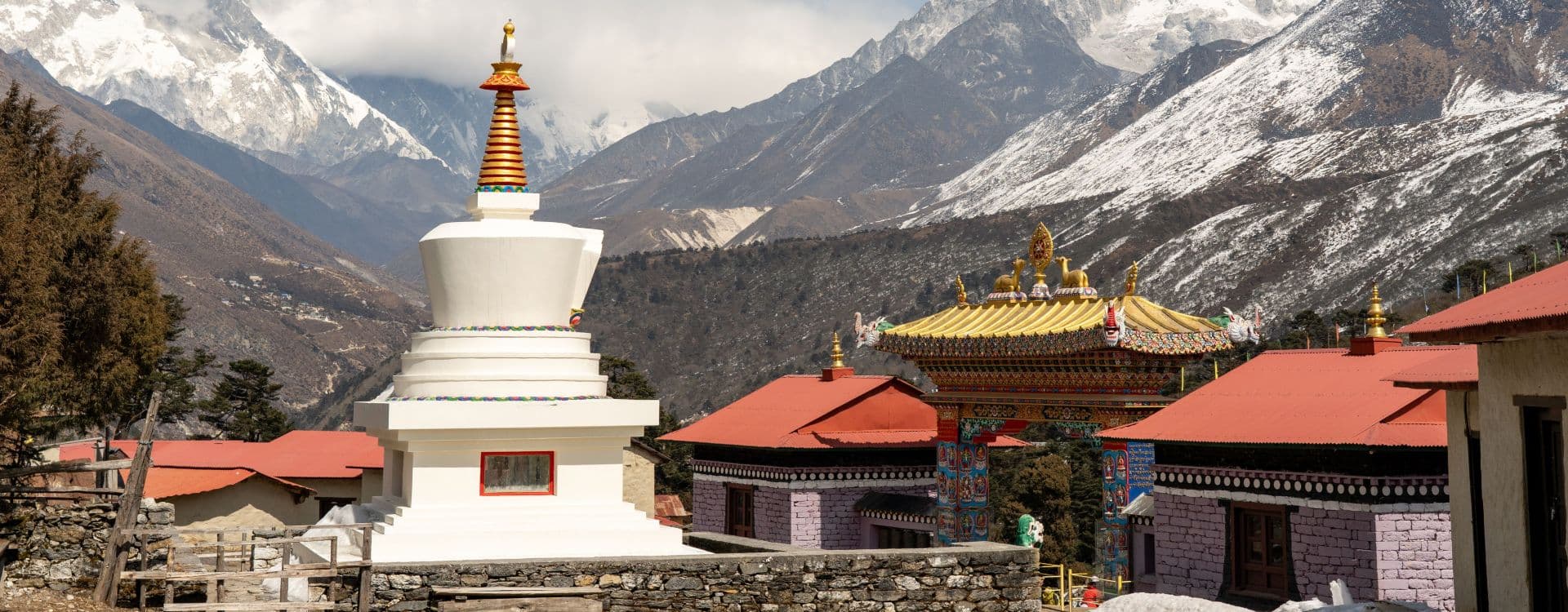
Samagaon's Buddhist setting—monasteries, prayer wheels and chortens—gives the day a calm focus, but the altitude plan comes first.
Where the rest day sits in the altitude profile
The rest day does not sit in isolation. The circuit starts at Machha Khola at 930 m and works north through the Budhi Gandaki gorge to Samagaon, then on to the high camp at Dharamsala and the pass.
| Place | Elevation | Role in the altitude plan |
|---|---|---|
| Machha Khola | 930 m | Low starting point; the early days are lower and allow gradual adjustment |
| Samagaon | 3,530 m | Scheduled rest day; sleep here |
| Dharamsala | 4,460 m | Basic high camp after Samagaon |
| Larkya La | 5,106 m | Pass crossed after the upper section |
Above 3,000 m, the approach described by Accessible Adventure aims to keep sleeping-altitude gains modest—generally no more than about 500 m above the previous night. The Samagaon day is part of that conservative profile, not a substitute for it.
That profile is a planning guideline, not a guarantee. The rest day still has to be used well, and the plan should stay flexible.
A simple rhythm for the rest day
The day works best with a simple rhythm. The table below is a default, not a prescription: if you feel unwell, the plan changes.
| Time | What to do | Why it matters |
|---|---|---|
| Morning | Tell your guide how you slept, your appetite, headache, breathing and energy. The guide takes a pulse oximeter reading. | Establishes a trend before the day's activity |
| Late morning | If you feel well and the guide agrees, take a slow walk to a higher viewpoint or Pungyen Gompa, at about 4,000 m. | Adds a short altitude stimulus while you sleep lower |
| Midday | Return to Samagaon rather than continuing higher. | The goal is a safe acclimatization walk, not a summit |
| Afternoon | Hydrate, eat, rest and stay warm. Avoid alcohol and sleeping pills. | Supports recovery and avoids masking symptoms |
| Evening | Report any change. Review the next day's plan with your guide and discuss an extra night or descent if needed. | Keeps the plan responsive to how you are actually doing |
Pungyen Gompa, at approximately 4,000 m, is the side trip specifically recommended on Accessible Adventure's Manaslu acclimatization day. The walk goes through yak pastures toward the glacial moraine below Manaslu. It is a climb-high outing, not a move to a higher sleeping altitude.
A shorter village walk or a full rest day is still a valid use of the day if you are tired or unwell. The point is to recover and adapt, not to collect a high point.
Health checks and warning signs
The rest day is also a monitoring day. Track headache, nausea, appetite, sleep, energy and breathlessness, and compare them with the previous day. Share what you notice with your guide rather than comparing yourself with other trekkers.
AMS can include persistent headache, nausea, dizziness and difficulty sleeping. General high-altitude guidance on Accessible Adventure's site says that if symptoms appear you should not ascend further, that descending 300–500 m can bring relief, and that your guide should be your first point of contact.
Severe headache, repeated vomiting, loss of balance, confusion or breathlessness at rest are serious warning signs. They call for immediate descent and medical help, not rest on the spot. This is general trekking safety guidance, not a diagnosis or personalized medical advice; a qualified medical professional should make treatment decisions.
Do not use alcohol or sleeping pills at high altitude. On the described Manaslu itinerary, guides carry pulse oximeters and take morning and evening readings; use the reading as one part of the picture, alongside symptoms and trends.
What the rest day can and cannot do
The rest day lowers risk; it does not guarantee that you will avoid altitude illness or cross the pass. People adapt differently, and weather, pace and symptoms all affect the climb.
It also does not replace a flexible plan. If someone is struggling, add a night or turn back; there is no need to force the pass on a fixed day.
The day works as part of a wider pattern: gradual gain, conservative sleeping altitude, a sleep-low rest day at Samagaon, and further checks as you move toward Dharamsala and the pass. Samagaon's village facilities make recovery easier, but they do not remove the effects of altitude. The night is still at 3,530 m.
A practical checklist for the Samagaon day
Use this checklist before and during the Samagaon day:
- Confirm the next day's plan and sleeping altitude with your guide before the rest day begins.
- Report sleep, appetite, headache, breathing and energy in the morning; do not hide symptoms.
- Use the pulse oximeter reading as a trend, not a decision by itself.
- Walk slowly if you walk at all; turn around while you still feel comfortable.
- Drink and eat through the day; rest in the afternoon.
- Avoid alcohol and sleeping pills at altitude.
- Confirm your insurance covers high-altitude trekking and evacuation.
- Ask what the plan is if you need an extra night, a slower schedule or a descent.
The best rest day is not the most ambitious one. It is the one that leaves you sleeping again at Samagaon, eating and drinking, and giving your guide an honest picture before the climb to Dharamsala.
Plan the rest day with the current itinerary
Accessible Adventure's Manaslu itinerary describes the Samagaon rest day as built into the schedule, with the climb to Dharamsala and the Larkya La as the next major altitude tests.
Use the Manaslu region page to check the current route description, then ask the team to confirm the rest-day arrangements for your dates, group and guide.
If you are customizing a private trip, ask specifically that the Samagaon acclimatization day stays in the plan and that there is room to add a night or descend if needed. The day is there to make the upper section more conservative, not to tick a box.
Frequently Asked Questions
What is the Samagaon rest day for on the Manaslu Circuit?
It is a scheduled acclimatization day at 3,530 m. You sleep at Samagaon, take a short higher walk if you feel well, and return to the same altitude. The aim is to give your body time to adjust before Dharamsala at 4,460 m and the 5,106 m Larkya La, while your guide checks how you are responding.
Is the Samagaon rest day optional?
On the Accessible Adventure Manaslu schedule described, the Samagaon rest day is built in and described as non-negotiable. If you are comparing itineraries, check whether the day is included rather than assuming it can be removed to shorten the trek.
Do I have to hike to Pungyen Gompa on the rest day?
No. Pungyen Gompa, at about 4,000 m, is the side trip recommended on Accessible Adventure's Manaslu acclimatization day, but the day still works with a shorter walk or rest if you are tired or unwell. The key is to sleep at Samagaon and report symptoms.
What should I do if I feel unwell on the rest day?
Tell your guide and do not push on with a hike or the next ascent. Severe headache, repeated vomiting, loss of balance, confusion or breathlessness at rest are serious warning signs that need immediate descent and medical help, not rest on the spot.
Does the rest day guarantee I will cross Larkya La safely?
No. It reduces risk but cannot guarantee that you will avoid altitude illness or cross the pass. People adapt differently, and weather, pace and symptoms matter. Keep the plan flexible enough to add a night or descend if needed.
What does the guide check on the rest day?
On the described Manaslu itinerary, guides carry pulse oximeters and take morning and evening readings. They also need your report of headache, nausea, appetite, sleep, energy and breathing; a reading is only one part of the assessment.
Can I skip the hike and just rest?
Yes. A full rest day is reasonable, especially if you are tired or unwell. The acclimatization value comes from the time at Samagaon and the conservative ascent profile, not from forcing a high point.
What should I check before the Samagaon rest day?
Confirm the next day's sleeping altitude, the planned side trip and turnaround time with your guide; check that your insurance covers high-altitude trekking and evacuation; and agree what will happen if you need an extra night or descent.
About the author: Himal Shrestha
Government-licensed trekking guide & travel writer · Accessible Adventure
Himal Shrestha is a government-licensed trekking guide and travel writer with 10 years and counting in the mountains. Trained in first aid and hospitality, he brings firsthand trekking experience to his articles on Nepal, itinerary planning, and travel preparation for Accessible Adventure.
Meet Himal ShresthaRelated Articles
Explore more stories and guides from the Trekking Regions collection