Why Choose Tsum Valley Trek - Buddhist Culture & Himalayan Views?
Last updated
Tsum Valley Trek: Nepal's Sacred Hidden Valley Experience
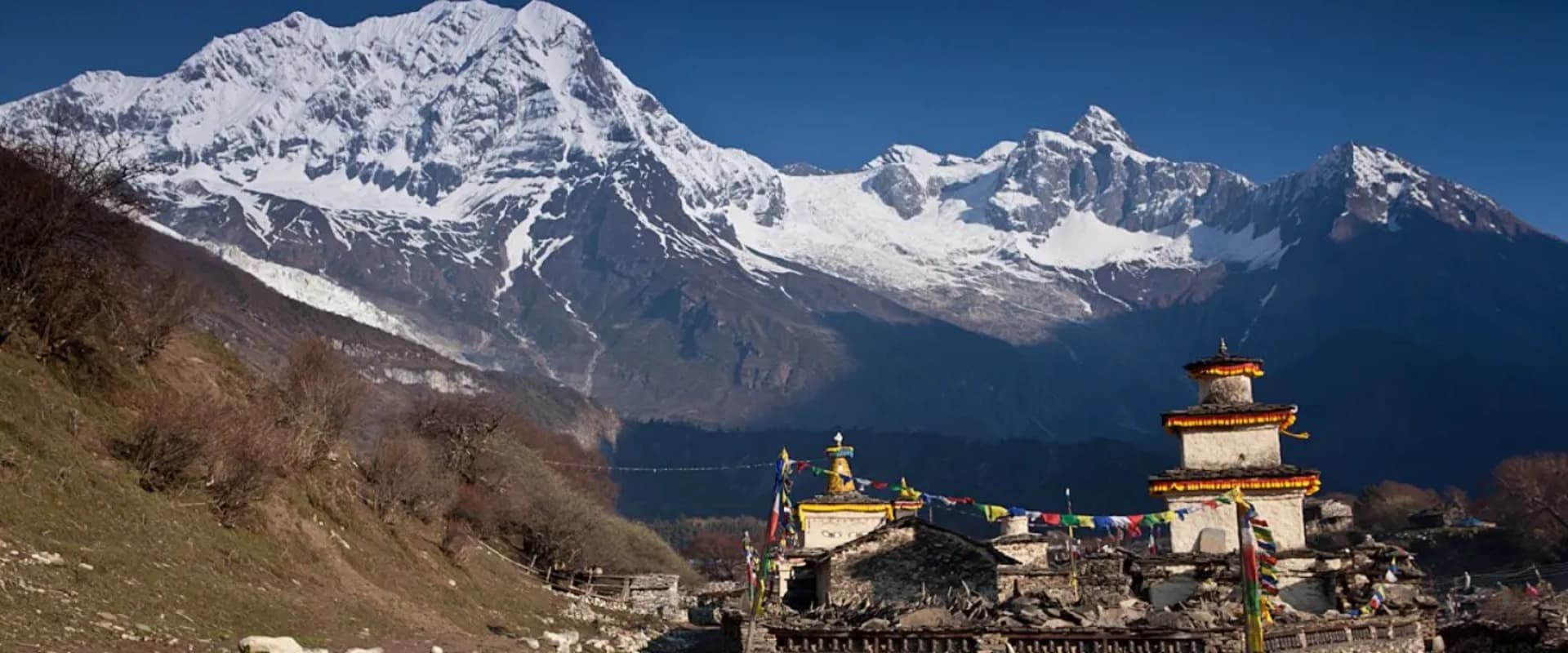
Tucked into the northern reaches of Gorkha district along the Nepal-Tibet border, Tsum Valley is one of the Himalaya's most extraordinary and least-visited trekking destinations. Known locally as Beyul Kyimolung, a Sanskrit-Tibetan compound that translates loosely to a hidden valley of happiness and refuge, Tsum remained sealed to outsiders until 2008, when the Nepal government first opened its trails to trekking. That relatively brief window of accessibility, combined with its strict permit requirements and remoteness, has kept visitor numbers low, which means the valley's ancient Tibetan Buddhist culture, its monasteries, mani walls, sacred caves, and ageless hospitality have survived intact. The trek carries you through subtropical gorges along the Budhi Gandaki River, past terraced farmland and cascading waterfalls, and eventually into a high-altitude world that feels geographically and spiritually closer to Tibet than to modern Nepal. At the top of the valley, Mu Gompa monastery sits at roughly 3,700 metres, framed by the north face of Ganesh Himal and the distant ridgelines of Sringi Himal and Boudha Himal. The trek is rated moderate to challenging, suited for trekkers who can handle five to seven hours of walking per day over varied terrain.
The standard Tsum Valley loop covers roughly 11 to 16 days of actual trekking, with the route entering the valley from Philim and working through a sequence of remarkable settlements. From Lokpa at 2,240 metres, you climb into Lower Tsum and the stone village of Chumling at 2,386 metres, then continue through Chhokangparo (also spelled Chokhangparo) at around 3,010 metres, before reaching Nile and finally ascending to Mu Gompa near the Tibetan border. Along the way you pass Rachen Gompa, one of the largest nunneries in the region; Dephyudonma Gompa, among the oldest monasteries in the valley; and a series of meditation caves historically associated with the revered Buddhist yogi and poet Milarepa. The cultural landscape at every stop, including prayer flags strung between stone walls, butter lamps glowing inside ancient temples, and monks in crimson robes going about their daily routines, is unlike anything available on Nepal's more commercial trekking circuits.
This guide is built for anyone seriously considering the Tsum Valley Trek. It covers the complete day-by-day itinerary, the seven highlights that distinguish this route from every other trek in the Himalayas, what the costs include and exclude, essential preparation across food, accommodation, weather, altitude, and safety, and a comprehensive FAQ section covering everything from permits to packing. If you want a trek where the trail is quiet, the culture is real, and the mountains feel genuinely wild, read on.
Why Choose the Tsum Valley Trek (7 Highlights)
1. One of Nepal's Last Truly Restricted Valleys
The phrase "restricted area permit" gets applied to a lot of Nepal's northern zones, but in Tsum Valley's case it carries genuine weight. The region was off-limits to foreign visitors for decades and only opened in 2008 following advocacy by the Trekking Agents Association of Nepal (TAAN). Even today, you cannot enter independently. Government regulations require all trekkers to carry a Tsum Valley Restricted Area Permit, a Manaslu Conservation Area Permit (MCAP), a TIMS card, and, for itineraries that continue along the Manaslu Circuit, an Annapurna Conservation Area Permit (ACAP). A minimum group size of two trekkers, each accompanied by a government-licensed guide, is mandatory by law. These requirements create a natural ceiling on annual visitor numbers, which is why the trails remain uncrowded even during peak season. Unlike the Annapurna or Everest regions, where teahouses queue up along well-worn paths and groups of trekkers converge at every stop, Tsum Valley stretches of trail can pass for hours with no other party in sight. That kind of solitude has become rare in Nepal's trekking landscape, and for many visitors it is reason enough to make the trip.
2. Tibetan Buddhist Culture Preserved Without Interruption
The people of Tsum Valley, known as Tsumbas, are direct descendants of Tibetan immigrants who settled the valley centuries ago. Their language, dress, architecture, and religious practice remain closely tied to a Tibetan Buddhist tradition that predates most modern influences. The valley counts 33 villages and approximately 500 households. Village homes are built in the Tibetan style, with flat rooftops, stone walls, and prayer flags mounted on corners. Mani walls, long structures built from stones carved with the mantra Om Mani Padme Hum, line the main trails and are circumambulated clockwise by locals as part of daily practice. The valley's two main monasteries carry major spiritual significance: Mu Gompa, established in 1895 CE and housing important religious texts including the Kangyur, along with a life-sized statue of Avalokiteshvara and images of Guru Padmasambhava and Tara; and Rachen Gompa, one of the largest nunneries in the Manaslu region. The valley's most celebrated sacred sites also include the meditation caves of Milarepa, a revered 11th-century Tibetan yogi and poet who is said to have practised in these mountains. Local festivals, including Lhosar (Tibetan New Year), Saka Dawa (commemorating the Buddha's birth, enlightenment, and passing), and Dhachyang, offer visitors who time their trek accordingly an extraordinary window into living religious tradition.
3. Spectacular and Continuously Changing Mountain Scenery
The Tsum Valley Trek does not wait until the high sections to reward your effort with views. From the moment the trail leaves the Budhi Gandaki River valley and turns into the Tsum canyon, the landscape begins to transform. In the lower sections, subtropical forests of rhododendron, pine, and oak fill the gorges, with waterfalls cutting down the cliffside. At mid-altitudes around 2,500 to 3,000 metres, the terrain opens into wide highland plateaus reminiscent of the Tibetan plateau, where the light takes on a quality that photographers describe as almost impossible to capture faithfully. The high sections above Nile and approaching Mu Gompa deliver an unobstructed panoramic corridor looking toward the northern faces of Ganesh Himal (7,422 metres), Sringi Himal (7,161 metres), Boudha Himal (6,672 metres), and, from certain vantage points along the Manaslu Circuit extension, Himalchuli (7,893 metres) and Manaslu itself at 8,163 metres, the eighth-highest mountain on Earth. Near the Tibetan border at the top of the valley, ridgelines of Tibetan peaks are visible to the north, completing a panorama that runs from sub-Himalayan foothills to the roof of the world.
4. Genuine Wildlife and Botanical Diversity
The Manaslu Conservation Area, which covers the entire trekking zone, was established specifically to protect the biodiversity of this corridor between sub-tropical and alpine ecosystems. The lower trail sections pass through habitat shared by common langur monkeys, Himalayan black bear, and the occasional red panda. Above the treeline, snow leopard, Himalayan tahr, blue sheep (bharal), and musk deer have all been documented within the conservation area. The Shyar Khola river, fed by glacier melt from the slopes of Ganesh Himal, runs through Tsum Valley and supports healthy populations of snow trout. Spring trekkers walking through the rhododendron-forested stretches between March and May witness a bloom season that turns entire hillsides crimson, pink, and white. Higher up, small alpine flowers push through the rocky terrain at altitudes where few plants can survive. This ecological range, from subtropical river valley to near-Tibetan plateau in a single trek, produces a walking experience that shifts dramatically over the course of a few days.
5. Far Less Crowded Than Nepal's Mainstream Routes
Comparative numbers put the scale difference in sharp relief. The Everest Base Camp trek corridor typically sees tens of thousands of trekkers per season. The Annapurna Circuit draws similar figures. Tsum Valley, partly because of its mandatory permit structure and partly because of its relative obscurity, draws a small fraction of that traffic. On most trekking days through the valley proper, you will share the trail only with local villagers, yak herders, and the occasional passing group of pilgrims. Teahouse dining rooms in the evening sometimes seat fewer than ten people from the entire visiting trekker population for that night. This low density has a cascading effect on the quality of the experience. Trail erosion is minimal. Teahouse operators have time to be genuinely attentive. Local guides can arrange impromptu monastery visits without fighting tourist schedules. Wildlife encounters are more likely because the animals have not been trained by constant human presence to avoid the trail. And the mental experience of the trek, the sense of genuinely going somewhere few people go, is something that even seasoned Himalayan trekkers report finding here.
6. A Route That Combines Physical Challenge with Cultural Depth
Most multi-day Himalayan treks offer either physical challenge (high passes, long days, significant elevation gain) or cultural richness (villages, monasteries, festivals), but rarely both in equal measure. Tsum Valley delivers both simultaneously. The physical demands are real: daily walking times of five to seven hours, trails that climb steeply out of river gorges, sections of exposed trail requiring careful footing, and altitude gains that demand proper acclimatization rest at strategic points. At the same time, nearly every significant stop on the itinerary carries cultural meaning. Jagat is the historic entry checkpoint where traders once paid tolls to pass into the highlands. Chumling is the first village in Lower Tsum, where Buddhist monasteries and chortens reflect a centuries-old religious settlement pattern. Chhokangparo, perched on a high ridge above the valley, offers one of the most dramatic panoramic settings of any village in Nepal. Nile, the last permanent settlement before Mu Gompa, feels like a genuinely frontier outpost. And Mu Gompa itself, the trek's culminating destination, is not a viewpoint or a pass but a living monastery where monks and pilgrims gather for worship, study, and retreat. A trek that ends at a functioning monastery at the edge of the Tibetan plateau is, by its very nature, a different kind of adventure than one that ends at a signpost.
7. A Gateway to the Extended Manaslu Circuit
For trekkers with more time, the Tsum Valley loop can be seamlessly combined with the full Manaslu Circuit, extending the overall itinerary to between 20 and 25 days. The combined route includes the famous Larkya La Pass at 5,106 metres, one of the highest trekking passes in Nepal, which delivers panoramic views of Manaslu's western flanks, Cheo Himal, Himlung Himal, and dozens of other peaks. The Manaslu Circuit itself remains far less commercialised than the Annapurna Circuit and is widely considered among the most complete Himalayan trekking routes available, combining high passes, deep river gorges, forest corridors, Tibetan plateau-style highlands, and cultural encounters with both Tibetan and Gurung communities. Using Tsum Valley as one leg of this larger circuit makes it possible to experience two of Nepal's most distinctive mountain worlds in a single expedition.
The Mystique of Beyul Kyimolung
The spiritual foundation of the Tsum Valley is rooted in the concept of the beyul, a term in Tibetan Buddhism describing a hidden valley where the physical and spiritual worlds intersect. Guru Rinpoche is believed to have identified these valleys as places of refuge for the faithful during times of great cosmic or social upheaval. Tsum Valley, specifically identified as Kimolung, is one of the most revered of these sites. The air in the valley is often described by those who visit as possessing a different quality, one of stillness and sacredness that reflects centuries of meditation and prayer. This sense of sanctity is reinforced by the landscape itself, which is dotted with ancient monasteries, cliff-face grottoes where saints once meditated, and Mani walls that stretch for hundreds of meters along the trail.
The residents of the valley, the Tsumba people, are of direct Tibetan origin and speak a unique dialect known as Tsumke. Their culture is a living testament to the endurance of Tibetan traditions in the high Himalayas. The Tsumba people have lived in relative isolation for generations, relying on a combination of subsistence farming, yak herding, and historical trade with Tibet to sustain their communities. This isolation has preserved social structures that have vanished elsewhere, including the rare practice of fraternal polyandry, where multiple brothers share a single wife to prevent the fragmentation of family land and wealth. The commitment of the Tsumba people to their heritage is perhaps most evident in the law of Shyagya, a non-violence declaration that has governed the valley since 1920. Under this law, the hunting or slaughter of animals is strictly prohibited, creating a sanctuary where wildlife and humans coexist in a rare state of harmony.


