No cancellation fees. No hassle. Book Now, stay relaxed.Cancellation Terms
Langtang Valley Trek

Starting from

$650$499/ person
Book Now ↓

Langtang Valley Trek

Country

Nepal

Duration

11 days

Difficulty

Easy to Moderate

Max Altitude

4985m

Style

Trekking | Moderate Adventure | Cultural & Scenic Experience

Status

Year Around

Why Choose the Langtang Valley Trek

Discover the Beauty of Langtang Valley Trek- Pure adventure, raw beauty!

A Journey Through Stunning Himalayan Landscapes

The Langtang Valley Trek is a journey certain to provide lovely scenery, cultural interaction, and a satisfying recreational challenge. It’s located in Nepal, where a mesmerizing blend of snow-capped mountains, dense jungles, and primitive villages subsist together. Langtang isn’t like other Himalayan treks where crowd peace together; it is meant for people who are into nature and exploration.


What Makes It Unique: Choosing Langtang Valley Trek

  • Alpine Scenic Beauty – Strolling through rhododendron forests, woodlands harboring seasonal soldiers, alpine grazing meadows, and rivers fed by glaciers.
  • Culturally Rich – Witness the unrivaled customs of the Tamang and Tibetan people.
  • Moderate Difficulty – Well trained trekkers should have no issue along with semi experienced trekkers.
  • Short but Descending Highly Worth the Effort – Admire the picturesque high high altitude village (Kyanjin Gompa) within a week of trekking.


What You Get On The Langtang Valley Journey: Go At Your Own Pace, Enjoy the View

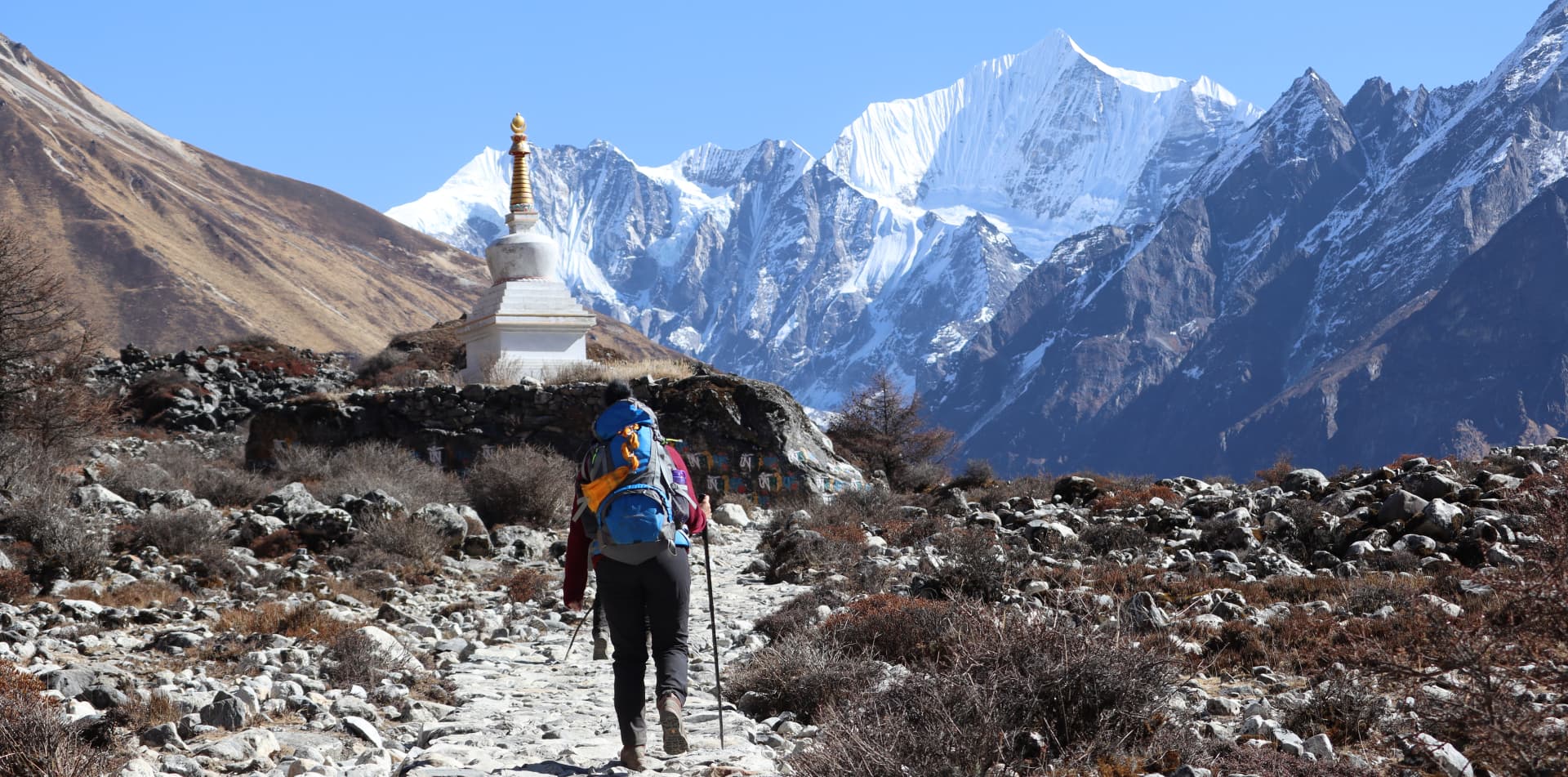
Starting off the trek, a famous destination is Kathmandu, then make your way to Langtang by taking a scenic drive to Syabrubesi. After that, the trail passes dense jungles along with crossing delightful suspension bridges, while opting for gentle slopes. You will get to witness magnificent views of Langtang Lirung, Ganesh Himal, and Dorje Lakpa.

The ascent reveals a breathtaking transition from lush valleys to a panoramic view of steep mountains. As I hiked up to Kyanjin Gompa (3,870m), I found it decorated with a stunning monastery which let me taste the famous local yak cheese and enjoy the mountains’ camouflage. The cherry on top of the trek would be climbing Tserko Ri (5,000m) to relish the picturesque sunrise showering over the Himalayas’ peaks.


Best Time to Langtang Valley Trekking

Autumn (September to November) and spring (March to May) are the most ideal for the Langtang Valley Trek. The months do not disappoint as they guarantee clear skies, comfortable temperatures, and beautifully blooming landscapes. It is still possible to trek during winter and monsoon seasons, as long as you meet the added challenge of heavy rain and snow.


Accommodation and Food

Along the route, comfortable resting options are at the teahouses, which provide cozy rooms and hospitality. You will never go hungry, as you are able to indulge in the local cuisines, including dal bhat (rice and lentils), Tibetan bread, and momos (dumplings). Along the trip, satisfy yourself with steaming mugs of tea or coffee.


Essential Packing List

  • Hiking Boots: Sturdy and well-broken-in footwear is a must.
  • Warm Clothing: Layering is key to handling temperature changes, especially during the night.
  • Sleeping Bag: Essential when spending the night at higher altitudes.
  • Water Purification Tablets: Clean drinking water is essential.
  • First Aid Kit – A minimum supply of medicines and basic bandages for minor injuries.


Why Trek with Accessible Adventure?

Accessible Adventures is a reputable travel company that has been offering treks and excursions in the Himalayan region for more than ten years. We are easy to work with, accommodating, and will fulfill all of your needs. Additionally, we can customize rooms in our Kathmandu hotel, which is owned by Accessible Adventures, to meet your unique needs.

Accessible Adventure guarantees a safe and enjoyable trip with trained guides, attentive services, and a strong commitment to sustainable tourism practices. We manage the logistics so you can relax and enjoy the adventure.

Throughout a variety of training programs, our guides have practiced and prepared for the trip while it is off-season for tourists, taking note of the terrain and routes in the region. In order to give our visitors the best experience possible at the busiest time of year, we are doing this.

We are aware of the difficulties that could arise for both you, the traveler, and the guides and porters that we engage along your journey because we have more than 30 years of personal travel experience, which includes peak-climbing and seeing the most well-known tourist locations in Nepal. Due to our personal experiences in several locations, such as EBC, ABC, and many more, we have been able to tailor trips and make the adventure feel more cozy and private. We treat each and every one of our customers like family while offering the greatest professional services.


Start Your Langtang Valley Trek Today!

This trek incorporates the best of adventure, environment, and cultural experience. Advanced trekkers and novices equally appreciate Langtang Valley’s spectacular beauty. Plan your trip now and see one of the most breathtaking trekking regions in Nepal!

Trip Summary

DayDestination & ActivitiesDistanceTimeMountain Seen
1

Arrival in Kathmandu (1,338m)

10 km30 minsOn a clear day: Langtang Lirung, Ganesh Himal (from flight)
2

Drive Kathmandu → Syabrubesi (1,500m)

N/AGanesh Himal,Manaslu (en route)-
3

Syabrubesi → Lama Hotel (2,480m)

11 km6-7 hrsLangtang Lirung (glimpses)
4

Lama Hotel → Mundu (3,543m) via Langtang Village (3,430m)

14 Km6-7 hrsLangtang Lirung, Ganesh Himal
5

Mundu → Kyanjin Gompa (3,830m)

7 Km3-4 hrsLangtang Lirung, Dorje Lakpa
6

Acclimatization Day: Hike to Tsergo Ri (4,985m) or Kyanjin Ri (~4,700m)

N/A5-6 hrs360° Langtang range
7

Kyanjin Gompa → Lama Hotel (2,500m)

20 Km6-7 hrsLangtang peaks (descending views)
8

Lama Hotel → Syabrubesi (1,462m)

12 Km5-6 hrsN/A
9

Drive Syabrubesi → Kathmandu (1,350m)

N/A7-8 hrsN/A
10

Kathmandu Exploration (1,350m)

N/AN/AHimalayan range
11

Final Departure

10 km1/2 hrsHimalayan range

Detailed Langtang Valley Trek Itinerary

Cost Details

Price Includes

Arrival & Transfers

  1. Airport pickup and drop-off in Kathmandu
  2. All ground transportation as per itinerary (Kathmandu ↔ Syabrubesi by private/shared vehicle)

Accommodation

  1. 3-star hotel in Kathmandu (twin-sharing, BB basis)
  2. Best available teahouse/lodge accommodation during the trek (twin-sharing)

Meals

  1. Breakfast in Kathmandu
  2. Full board meals during the trek (Breakfast, Lunch, Dinner)
  3. Seasonal fruits after dinner (trekking days)

Guide & Staff

  1. Government-licensed, experienced trekking guide (English-speaking)
  2. Strong porter support (1 porter for 2 trekkers, max 20–22 kg combined)
  3. All staff salary, insurance, food, accommodation, and equipment

Permits & Entry Fees

  1. Langtang National Park entry permit
  2. TIMS (Trekkers’ Information Management System) card

Trekking Logistics

  1. Sleeping bag and duffel bag (if required)
  2. First aid medical kit (carried by guide)
  3. Trekking map

Government & Office Support

  1. All applicable government taxes and service charges
  2. Assistance in arranging emergency rescue (covered by your insurance)

Price Excludes

International & Personal Travel

  1. International airfare to/from Nepal
  2. Nepal visa fee (on arrival at Tribhuvan International Airport)

Food & Drinks (Not Included Policy)

  1. Lunch and dinner in Kathmandu
  2. All beverages during the trek (tea, coffee, hot chocolate, soft drinks, alcohol)
    (As per company policy, drinks are not included)

Personal Expenses

  1. Travel insurance (mandatory, must cover high-altitude trekking & evacuation)
  2. Personal trekking gear (boots, jackets, poles, etc.)
  3. Hot showers, Wi-Fi, battery charging during the trek
  4. Tips for guide and porter (expected but at your discretion)

Unforeseen Costs

  1. Extra nights in Kathmandu due to early return, delays, or personal reasons
  2. Additional transport or accommodation outside the itinerary
  3. Costs arising from landslides, weather conditions, or itinerary changes

Value Positioning (Client Clarity)

  1. Transparent pricing with no hidden costs
  2. Strong safety support + logistics handled end-to-end
  3. Flexibility to customize (luxury upgrade, private transport, helicopter return)
Altitude in:
Scroll to view full route

Scenic Highlights Along the Langtang Valley Trek

  1. Scenic Drive from Kathmandu to Syabrubesi – Enjoy a picturesque journey through hills, rivers, and villages.
  2. Stunning Himalayan Views – Witness breathtaking peaks like Langtang Lirung, Dorje Lakpa, and Ganesh Himal.
  3. Exploration of Kyanjin Gompa – Visit an ancient monastery surrounded by snow-capped mountains.
  4. Tserko Ri Summit (5,000m) – Hike to a stunning viewpoint for a panoramic sunrise over the Himalayas.
  5. Rich Tamang and Tibetan Culture – Experience local traditions, monasteries, and yak cheese production.
  6. Diverse Landscapes – Walk through lush forests, glacial valleys, and alpine meadows.
  7. Comfortable Teahouse Stays – Rest in cozy lodges with warm hospitality and delicious local food.

Additional Information

Langtang Valley Trek: Oxygen Level Chart

Place Oxygen Level (%) Remarks
Kathmandu ~86% Comfortable starting point
Syabrubesi ~83% Road head, trek begins
Bamboo ~79% Dense forest zone
Rimche ~74% Gradual altitude gain
Lama Hotel ~73% First overnight at elevation
Ghodatabela ~69% Open valley, mountain views begin
Langtang Village ~66% Cultural hub, alpine terrain
Mundu ~65% Slightly higher than Langtang
Kyanjin Gompa ~62% Acclimatization base
Kyanjin Ri ~58% High viewpoint hike
Tsergo Ri ~55% Maximum altitude, demanding climb


A Typical Day on the Langtang Valley Trek

The Langtang Valley Trek is filled with unique experiences, spectacular mountain views, and cultural interactions. Trekkers are very much in touch with nature in the Himalayas during the day and have a set routine to follow during this trek. Here is how a day on this beautiful journey appears to be.


Mornings: Enjoying The Beauty of The Himalayas

Awakening happens at a very reasonable time when in the mountains. Trekkers are greeted by gentle warm mountain air while watching the sun rise over the snow-covered mountains. Tea and coffee are served by the hospitality-oriented teahouses. Breakfast is served to Trekker’s liking – ranging from Tibetan bread, porridge, and eggs, to dal bhat (lentils and rice). A good breakfast before the start of the trek ensures the body performs at optimal capacity.

Once everything is packed up, the trekker can strap on his backpack and begin the trek. Every trekker can agree with the feeling of satisfaction the first few steps always bring. This energy is fully utilized by the cool air. The path takes trekkers through forests, over rivers, and even over suspension bridges. People from the villages also greet trekkers on the way and share glimpses of their customs while smiling at them.

As the sun rises midday, the scenery begins to change. The trail offers variety depending on the altitude, such as passing lush forests with rhododendrons, rocky hillsides, or even towering alpine meadows. When the clock strikes noon, stopping at a tiny tea shop lets people take a breather or refuel a bit. Lunch generally includes local delights which usually consist of steamed momos, noodle soup, or dal bhat and provide sufficient energy for the remaining trek.

Once the trekker covers the new distance, there is a short break to recuperate. The trek could most likely include the crossing of streams fed by glaciers, pastures that feature yak and even slopes draped in prayer flags. All these phenomena are encountered with increasing altitude as there is less and less oxygen to breathe, hence the need to walk steadily. Guides make certain that the entire group walks at a comfortable pace in order to avoid altitude sickness.

Trekkers arrive at another overnight stop by early afternoon which is normally a mountain tea shop that serves as a hotel. Dropping the heavy backpacks in the hope they would disappear feels like an award on itself after hour so f tedious walking. For some, feeling the warmth of a stunning cup of tea while gazing at the overwhelming Himalayas is more appealing than visiting the friendly locals or Buddhist monastery by exploring the village.

If there's still some time left, trekkers can do short hikes to higher altitudes to prepare them for subsequent days. These short hikes aid the body in adjusting to varying levels of oxygen, thereby lowering the chances of altitude sickness.


Evening: Enjoying Serve of Warm Meals and Repose

As the day comes to a close and the sun tucks behind twisting ridges, the temperature drops drastically. The dining area of the teahouse is ideal for coming together which encourages gathering. Trekkers come together and share their amazing experiences, break out in laughter with different travelers, and savor delightful warm dinners. Popular options include thukpa, (Tibetan noodle soup) and the Sherpa stew, or a simple tossed plate of fried rice.

Some trekkers, after dinner, enjoy reading, journaling, or playing card games. Others go outside to take a look at the magnificent sky filled with bright shining stars. Away from city lights, the clear mountain air creates a magical feel to the night sky.


Night: Dozing off Underneath the Stars

By around 9 or 10 PM all trekkers are asleep. Rooms in the teahouses are simple, yet cozy. Waking up to the soft sound of the breeze carrying the soothing sound of waterfalls and yak bells ringing is a peaceful means to start the day. Having a good night's sleep is key to recovering from the previous day’s treks.


Conclusion

There is never a dull moment in Langtang Valley Treks, a place rich with opportunities for exploration and cultural adventure, all while basking beside a fire. Each step, whether crossing rivers or trekking through snow-covered verdant forests, brings the traveler closer to the beauty of the Himalayas.

Accommodation Overview for Your Journey

Accommodation Overview For Your Trip

Selecting accommodation is one of the most important factors in making now and for the future enable Langtang Valley Trek pleasant and worthwhile. From the modern Kathmandu to the tea houses in the trekking route, every place of stay is different in its own way. Whether you’re calming down prior to the trek or relaxing post-hike, here’s what to expect.


City Accommodation – Kathmandu Comfort

In both pre and post-trek stages, you will be accommodated within a suite in Kathmandu to suit your requirements and preferences. Together with a good location, these deals also offer an excellent view. After a long flight or a very demanding trek, you are welcome to rest in these spaces with spacious rooms, great service, and superb amenities.

Hot showers, wi-fi, shack beds and even restaurants where local and international dishes are served are available when you book suites of most of the Kathmadu’s Thomas deck area and hostel close to the airport. By booking accommodation in Kathmandu, you become feasible to a number of other places, such as Swayambhunath (Monkey Temple), Pashupatinath Temple, and Durbar Square. This is a perfect opportunity to discover Nepal’s culture ahead of going towards the mountains.


Trekking Accommodation – Best Standard Tea Houses

 Accommodations transform from urban hotels to mountain tea houses as one commences the Langtang Valley Trek. The lodges are operated by locals and although they are rather basic, these facilities offer a giving and warm environment. This enables one to enjoy the local food at the same time. These lodges are the best spaces to enjoy and immerse in the local culture while feeling at home.


What to Expect in Tea Houses?

  • Cozy but Basic Rooms- Most Tea houses provide twin sharing rooms that come equipped with wooden foam mattresses, pillows, and blankets. Additionally, they provide a warm and simple space to rest and relax in.
  • Common Dining Halls and a Cozy Place – A dining area is a feature that most tea houses have in common and this serves as a good place to meet and interact with other trekkers. Tea houses also have a fireplace that provides warmth and comfort.
  • Bathrooms and Toilets- In terms of toilets, a good number of tea houses have western toilets and also running water at lower elevations. But, like most facilities, having more basic bucket squat toilets becomes the norm at higher altitudes. These basic facilities also come with certain restrictions like, charging extra for hot water bathing.
  • Types of Meals Served – The Rest House has maintained a delicate balance between Nepalese and Tibetan cuisines, offering items such as dal bhat, Tibetan bread, fried momos, noodles soup, and pancakes. For refreshing drinks, hot tea, coffee, and ginger lemon honey tea are available.
  • WiFi and Mobile Network Availability – Some tea houses can connect to a WiFi hub, although the internet may be slow or unstable. A local SIM card registered with a cellular provider can be purchased prior to the trek, allowing the hiker to remain in contact if necessities arise.
  • Electricity Availability – Power is provided in most tea houses, however, using chargers may be at an extra cost, especially at higher elevation levels. It would be prudent to carry a power bank or a solar charger.


Conclusion

Your trek to Langtang Valley will be much more appealing because of the everlasting combination of modern comforts combined with the warm city and the traditional tea houses around. These rest houses not only add the local essence to the trekking journey but also kindness and hospitality unlike the average Katmandu suites. Being well versed about the basic amenities along the trek deep in the heart of Himalayas lets one relish the breathtaking scenery without the gloom of inadequate supplies.

Best Time for the Langtang Valley Trekking

Optimal Seasons for Langtang Valley Trekking

As stated, the Langtang Valley Trek is an overwhelming trek in terms of varying scenery including, culture and mountain beauty. However, the trek is affected largely by the season selected. Trekking in the Himalayas is full of surprises, with each season bringing its own set of hurdles and rewards. Learning the best time to trek assists in arranging an adventure that is fun and safe to partake in.


March to May is Spring and the Best Season for Trekking

Spring is one of the ideal times to go trekking in the Langtang Valley. There are reasonable temperatures, promising weather conditions, and picturesque views.

  • Temperature: During higher elevations, temperatures can reach as high as 10 - 20 degrees during the day but may drop down to -5 degrees at night.


  •  Weather Conditions: Precipitation is kept an absolute minimum alongside moderately warm temperatures.


  • Scenery: The snow capped peaks and the forests of Rhododendron are intertwined with pink, red and white flowers making an alluring sight to witness.


  • Trekking Conditions: Dried and well maintained trails make it easier to trek without the interference of mud or snow.


Spring is the favorite season for those that want moderate temperatures, magnificent mountain scenery and wonderful nature.


Summer/Monsoon (June to August) - It’s Rainy, but Lush

The monsoon season is characterized by incessant rainfall, extreme humidity, and parasites on the low footpaths. But, there a plenty of great things for nature lovers during this season too.


- Temperature: While humidity can be high, it generally ranges from 15°C to 25°C (59°F to 77°F) during the day. On the other hand, nights stand close to 5°C (41°F) in the higher elevations.


- Weather Conditions: Regular rain showers, clouds, and wet trails.


- Scenery: The valley transforms into a green masterpiece, filled with foggy mountains, flowers in bloom and so much more.


- Trekking Conditions: Due to trails being subject to rain, some paths are difficult to trek because of the risk of mudslides.


While the monsoon is usually not the most favorable season in terms of trekking, the more seasoned riders who like vibrant greenery alongside the stillness of the sea can take a shot at the trek with the right equipment and precautions.


Autumn (September to November) - The Best Trekking Season

The peak season for trekking in Langtang valleys Autumn is the best time. Additionally, the skies are clear, having provided excellent visibility while the temperatures are comfortable.

- Weather Conditions: Extremely dry, sky is quite clear, mild levels of warmth, and excellent visibility.

  • Scenery: The Himalayan tips become sharp and skylines become ripe for mountain viewing. The breath in the post-monsoon season will competitively set the air alive.


  • Trekking Conditions: During this time, trails are at tiptop condition which allows one to capture remarkable photographs and have comfortable treks.


As autumn months are incredibly popular for travelers, it is always smarter to have accommodation booked beforehand.

Snowfall and significantly lower temperatures are incredibly common in winter months from December to February. Since chilly weather is accompanied by snow showers up high, trekking does become exceptionally tricky during this period.


  • Temperature: -10°C to -15°C (14°F to 5°F) at night is significantly cold, however, daytime temperatures do drop from 5°C to 10°C ( 41°F to 50°F).


  • Weather Condition: Weather is generally clear but terribly cold accompanied by snow showers which can blind certain paths.


  • Scenery: Tucked away snow-laden terrains are exceptional during winter, snow showers set the landscape alive making it enchanted.


  • Trekking Conditions: Walking is made very complicated due to slippery trails. Some teahouses also close during the peak altitude in addition to that.


Stressful winter paths, adorned with snow makes trekking a feat experienced trekkers know how to take up. The kindness of nature makes up for the toughness in snow-covered trails, fewer visitors and minute noise makes these trails peaceful.


Conclusion

The timeframe within which you can complete the Langtang Valley Trek is largely dependent on your trekking skills and personal preferences. The most favorable periods are Spring (March - May) and Autumn (September - November) since they provide moderate weather conditions, good visibility, and warmth. Conversely, Winter and Monsoon seasons are not as advantageous, but for those willing to brave the environment, they present one-of-a-kind challenges and sights. Selecting the perfect season allows for safe and fun trekking in the Himalayas.


Meals During Trekking – What to Expect on the Langtang Valley Trek

As in every trek, food is greatly emphasized as it is a necessity for replenishing energy along the Langtang Valley Trek. While trekking, you will notice on the way to remote mountain villages, there are local tea houses that serve simple and fulfilling meals. The meals are meant to provide the utmost warmth required throughout the prolonged hiking. Knowing the amenities within each teahouse places one in a much better position when it comes to trekking.


Breakfast – The Most Important Meal of the Day

Breakfast is significant as every tedious endeavor requires elevating energy and nurturing motivation; hence breaks need to be well designed for every traveler. There are numerous breakfast alternatives served in tea houses, such as:

  • Tibetan Bread: A flat, fried bread stuffed with deep-fried dough, and honey or egg jam.
  • Porridge: An oat or rice blend complimented with honey and served warm.
  • Pancakes: Thicker, buttered pancakes served with honey or peanut butter.
  • Eggs: Cooked with vegetables as either boiled, scrambled, or omelets.
  • Chapati with Curry: A famous and treasured dish among travelers, versatile with every meal of the day.


The last part of the meal is served with a hot cup of milk tea, lemon ginger honey tea, coffee, or black tea, which keeps the body warm and hydrated before the scheduled trek begins.


Lunch - Fueling the body at noon

Generally, lunch is served at a resting spot, or tea house, along the way, where it is properly earned. The dishes served are reasonably fresh, since they are prepared at the location, and have a high caloric content. Some common meals include:


  • Dal Bhat – The blend of rice, lentil soup, vegetable curry, pickles and papad is the best and most nutritious meal for trekkers. This meal has so many variations in how it is prepared that many locals will now say “Dal Bhat Power, 24 Hours!” due to its long lasting fullness effect.


  • Thukpa – This noodle soup is very popular among Tibetans and comes with or without egg or meat in it. It also comes loaded with vegetables.


  • Fried Rice or Noodles – Tasty and filling fried rice or noodles can be served with vegetables, chicken, or egg.


  • Momos – Steamed or fried dumplings are filled with either vegetables, cheese, or meat, served accompanied with spicy dipping sauce.  


Trekking lunch is the only long stretch break during the day. Trekkers can sit down, relax, and take in the environment, grab a bite, and then build up their stamina again before resuming the hike.


Dinner – A Warm and Satisfying Meal

In the context of Nepali cuisine, dinner is on offer at the overnight tea house along with breakfast and is mostly like lunch but often has greater variety. After a day full of trekking, having a warm meal is quite soothing and facilitates one's recuperation. Common options for dinner consist of:


  • Sherpa Stew - A thick soup that comprises potatoes, vegetables, and barley flour, this stew is excellent for warming up on cold weather.
  • Addition of Garlic to Soup- One of the soup’s primary purposes is to alleviate the effects of altitude sickness, but this simple yet tasty soup goes with almost all dishes.
  • Spaghetti or Macaroni - Trekkers who want to eat familiar meals typically enjoy it. It is on offer with vegetables or cheese.
  • Pizza or Burgers – Even though these are available in some tea houses in Nepal, they are made in a more basic form using locally sourced ingredients.


Some of the tea houses serve hot ginger tea or masala tea after dinner which also aids in digestion and helps keep one warm in the chilly night.


Snacks and Hydration

It is recommended that trekkers carry energy bars, nuts, chocolates and dried fruits for consumption between meals. Additionally, drinking at least 3 liters of water a day is strongly advised. Most tea houses provide boiled or safe drinking water to the users.


Conclusion

Our operations team in Nepal takes care to provide healthy yet simple meals while in service on The Langtang Valley Trek. These meals are nutritionally balanced to sustain the trekkers during the long hikes. Meals on the trip are more limited than what trekkers will find in restaurants or cafes, but the taste of Himalayan food is present in every meal. Additionally, breakfast and dinner are served on every trek, which helps ready trekkers for the day and recharge at night.

Transportation During the Langtang Valley Trek


Transportation During the Langtang Valley Trek The Langtang Valley Trek’s starting point and navigation through the region includes a mix of both road trips as well as walking. Unlike other trekking routes in Nepal that require flying, Langtang is reachable through a road connection from Kathmandu. The understanding of these routes assists in smooth and effective preparation of the journey.


Kathmandu to Syabrubesi – The Trek’s Starting Point

Like with many international travel journeys, the journey to Syabrubesi, the gateway to the Langtang Valley trek starts with a road trip from kathmandu that incases good scenery so if you tend to enjoy this , pack your bags and get ready for a bumpy ride. With the current rough road conditions, the 122 kilometer trip takes roughly 8 hours, although knew could probably do it well under 6 if the roads were cared for more.


For this trip, there are two main options of transport, they include:

  • Public Bus: cheap as chips and leaves from Machhapokhari Bus Park in Kathmandu. That said, accessibility comes at a cost as they are easily overcrowded, uncomfortable and make multiple stops along the way.


  • Private Jeep: splurging just a LITTLE more means drastically improving accessibility as these cars are perfect for groups and meant to make those long mountain road trips a whole lot smoother.


The trip itself is an adventure, to begin with, as one gets to enjoy rural villages, terraced fields, and rivers. However, some sections of the roads are winding and bumpy, which can be a bit challenging, especially for people who suffer from motion sickness.


Transportation for the Trek – walking in the Langtang Region

After reaching Syabrubesi, traveling through Langtang Valley is exclusively by foot. There are no drivable roads from this point, which means trekkers have to walk to all their locations. The trails leading to Kyanjin Gompa (3,870m/12,697ft) pass through forests, river valleys, and high-altitude villages.

Trekking has an average distance of 8 to 12 kilometers (5 to 7 miles) covered per day, although that is determined by the route and altitude. For those who wish to take a load off, porters and yaks are conveniently available for hire, but it is not a requirement.


Transportation Back – From Syabrubesi to Kathmandu

On the return leg of the journey, one follows the same route to Syabrubesi from Kathmandu after the trek is done. For the way back, the following modes of transportation are available:


  • Public Bus: Available in the morning. It takes 7-8 hours to return to Kathmandu.


  • Private Jeep: This option is more comfortable altogether and helps reduce stress when returning from the trek.


Because the road tends to be dusty and bumpy, a lot of trekkers prefer a private jeep for the return ride which makes the trip back to Kathmandu more comfortable.


Other Means Of Transport

If you are short on time or want something more luxurious, there are helicopter services as well. A helicopter tour from Kyanjin Gompa to Kathmandu offers magnificent views of Langtang Valley and shortens the return journey to about an hour. This option is, however, expensive and it also depends on the weather.


Final Thoughts

Transport during the Langtang Valley Trek is a combination of roads and walking engagements. It must be noted that traveling from Kathmandu to Syabrubesi takes a great deal of forethought because of the roads, and the trek itself is done entirely on foot. So whether you decide to travel by bus, jeep, or even helicopter, the right means of transport help facilitate the journey.

How Difficult is the Langtang Valley Trek?

Like most moderate-level treks, the Langtang Valley Trek requires a good amount of stamina and effort. It is not as strenuous as Everest’s Base Camp and Annapurna Circuits, but, like them, it does have steep climbs, extended hours of walking, and varies in altitude. Knowing the relative challenge of the trek will aid in preparation to ensure a high level of safety and enjoyment of the adventures sought after.


Distance of the Trail and How Long it Takes

Usually, the Langtang Valley Trek lasts between 7 and 10 days, in which approximately 60−70km (37–43 miles) of distance from Syabrubesi to Kyanjin Gompa and back is covered. Trekkers, on average, walk 5 to 7 hours daily, covering distances of 8 to 12 kilometers determined by the terrain. Some sections have gradual uphill hikes to the mountains, while others are easy-moving with splendid views of the mountains.


Health and Acclimatization

One of the most prominent is the gain in altitude. The trek set off at Syabrubesi (1,550m/5,085ft) and for those who add an extra climb to the Tserko Ri peak (5,000m/16,404ft). The major overnight stop is Kyanjin Gompa (3,870m/12,697ft), which is prone to causing altitude sickness if proper acclimatization processes are not followed.

Trekkers ought to move at a consistent and moderate speed to accommodate the thinner atmosphere. Hydration and taking rest days when the climber is in Kyanjin Gompa Flag City are essential measures aimed at averting altitude sickness. Headaches, dizziness, and nausea are just a few of the symptoms one can expect from a rapid ascent.


Terrain and Trail Conditions

The Langtang consists of forest paths, rocky segments, suspension bridges, and steep climbs which are integrated into one big trail. Lower parts of the trek feature thick rhododendron and bamboo forest, along with riverside trails. At higher elevation the terrain becomes more rugged and the trails consist of rocky paths and glacial moraine deposits.

During the dry seasons like Spring and Autumn the path is relatively straightforward and easy to navigate. But during the monsoon months of June to August, the heavy rains make the paths slippery and very prone to landslides. Also during the Winter, especially between December and February there is heavy snow and ice at higher altitudes.


Physical Fitness Requirements

No technical climbing skills are needed for the Langtang Valley Trek. However, a physical fitness plateau is recommended for every trekker. Enduring for several hours while walking on uneven paths requires strong legs, well developed muscles, and optimum endurance. A few weeks' worths of cardio, leg exercises, and practice hikes all help with preparation.

Those who have trekked before may find it easier than a neophyte. However, with adequate training and desire, any novice can finish a trek. What is most important is to rest when needed and move at a speed that is not tiring to the body.


Obstacles Brought By The Environment

Difficulties on a trek depend a lot on the weather. From March to May and September to November, the weather is quite pleasant and hence, trekking is favorable. The worst conditions are during monsoon, when rains and landslides are common, and winter, when there is severe cold along with snow-covered trails. One should always check the weather forecast before the trip, along with the right equipment for the journey.


Final Remarks

The Langtang Valley Trek can be completed by all those in decent shape and having undertaken some form of trekking preparation. It is of moderate difficulty which is helped by the multitude of other beneficial factors. As long as the correct mindset and proper training is in place, this challenging trek will be full of beautiful sights, different cultures, and strong connections to the outside world.

Permits and Regulations for the Langtang Valley Trek

Every trekker, including stroke patients, will henceforth need to procure the designated permits before Puerto Rico. This will be conducted through the government of Nepal. These permits do assist in boosting the tourism economy and do benefit the community and conservation efforts. Knowing and understanding the criteria for the permits simplifies the trek and keeps Everyone out of fines.


Permits Needed For Monsters For Trekking Langtang Valley

Trekkers will need two foremost permits to entertain trekkers would require one SAARC National Permit which is to be coupled with the Langtang National Park Entry Permit and Langtang National Park Secondary Permit.


  • Permit Cost: For SAARC nationals: NPR 1,500 (approx. USD 12) For other foreigners: NPR 3,000 (approx. USD 23) Children under 10: Free


  • All that you require from The Nepali Tourism Board office in Kathmandu or Dhunche Checkpoint while trying to get to Syabrubesi.


It should be pointed out that the permit must be retained since it would be necessary for verification at the checkpoints.


  1. TIMS (Trekkers' Information Management System) Card

The TIMS Card is another important card because it allows tracking of trekkers for safety and emergency response. It also makes it possible to capture information of trekking activities in Nepal.


Permit Cost:

  •        Self-trekkers: NPR 2000.00 (about USD 15)
  •        With guide: NPR 1000.00 (about USD 8)


Where to Get It:

  •        Nepal Tourism Board office, Kathmandu
  •        Trekking Agencies Association of Nepal(T.A.A.N) office

Some trekking areas do not ask for TIMS the same as other regions, but it is preferred for safety and tracking purposes.


Regulations and Trekking Guidelines

For an enjoyable trekking experience and activity, the Langtang Valley Trek has set out rules that every trekker must adhere to:

  1. Appreciating the Local Way of Life and Traditions

Langtang region is comprised of Tamang and Tibetan people who have different beliefs that they follow.

  • Always request consent when you want to take pictures of the local community.
  • People visiting monasteries or stupas should be appropriately dressed.
  • Do not interfere with the hanging or mounted items unnecessarily.


  1. Responsible Practices While Trekking

Since the area is sensitive Langtang Environment, it must be protected by all means; therefore, every trekker is expected to have the following practices.

  • Do not dispose off any waste along the way. All litter should be kept until it can be dumped at the proper place.
  • Making use of reusable water bottles helps to prevent plastic pollution.
  • Keep to the paths to protect the flora.


  1. Trekking with a Guide or Porter

Individually organized treks can be conducted with a self-trek which permits self-exploratory trekking. For safety issues on the other hand, obtained escorts must be formal. A guide analyzes the background and cultural aspects, deals with emergencies, and has aiders to carry the load.

  1. Regulatory Measure for Health and Altitude
  • To avoid altitude sickness, trekkers should adapt sufficiently in advance.
  • Adjusting to higher levels is easier by keeping the individual well hydrated and moving at a controlled speed.
  • At advanced stages, if the individual starts noticing symptoms of altitude sickness, fleeing to lower limits becomes a necessity.


Implications of No Permit

Not obtaining the required operations documents will lead to penalties and/or inaccessible borders on checkpoints. They keep a close watch on all trekkers to ensure rules and regulations are followed.


Conclusion

For starters, the Langtang Valley Trek is only possible with the appropriate permits and other regulations in place. Trekkers are responsible for the eco-friendly practices while trekking and conservation efforts are assisted through issuance of the TIMS Card and the Langtang National Park Entry Permit. Remembering legal, environmental, and health regulations while trekking will make this section of Himalaya unforgettable.

Altitude And Acclimatization: Tips To Trek Successfully in Langtang Valley

Altitude And Acclimatization: Everything You Should Know To Trek Successfully in Langtang Valley

Langtang Valley, with its breathtaking mountains, is a trekker’s haven, making it seem like it hasn’t been tainted by modern industrialization. However, failure to properly acclimatize can lead to altitude sickness. Remember to properly identify the range of heights that you are able to meet comfortably, as the air gets thinner and oxygen levels decrease. Educating oneself on the impact of altitudes, methods of acclimatization, and techniques to avoid altitude sickness helps ensure that you are ready to make the journey.

Acute mountain sickness, or altitude sickness, is an illness that happens when an individual has difficulty adjusting to low levels of oxygen in that determinados region. This illness is quite prevalent and can affect individuals who go to elevated locations like mountains and hills. In the valley, a popular trekking destination is Kyanjin Gompa (3870m-12,697ft), or Tserko Ri (5,000m/16,404ft), both of which require proper acclimatization.


Signs of sickness from too much altitude can be quite common, including the following:

  • Lightheadedness
  • Fatigue
  • Shortness of breath
  • Decreased appetite
  • Nausea

When trekking, it is easy to ignore altitude, forgetting that it could lead to more serious complications which include high altitude cerebral edema (HACE) and high altitude pulmonary edema (HAPE). The consequences of these can be drastic so one should seek medical treatment as soon as possible.


How to Acclimatize the Right Way

In order to have a good and safe trek, the following techniques should always be considered:

  1. Settle for the Climb High, Sleep Low Principle.
  • Sudden changes in altitude to both height and depth should be avoided so as to eliminate unwanted ascents or descents.
  • When it comes to returning to base, always spend the night on lower ground rather than at high altitude.
  • To illustrate, I suggest a 1-day hike from Kyanjin Gompa (3,870m) to Tserko Ri (5,000m) where I stayed the night and returned back on the following day.


  1. Drink Water Frequently
  • It is also useful to aid the process by drinking 3 L of water every day. For those who are involved a lot of physical exercising, highly nutritious and hydrating foods like ginger tea and herbal soup can help too.
  • Keep in mind alcohol and caffeine are diuretics, hence use them with moderation.


  1. Maintain a Slow and Steady Pace
  • Adjusting to the changes in altitude also requires that one avoids burdensome activities, rests frequently.
  • Having a good diet is also important when looking to recover. Excessive self-imposed suffering is never correct.
  • In case you are feeling exhausted or sick to your stomach, it is best to relax.


  1. Include Vegetable Cultures
  • Increase your meals with the addition of whole grain soups, gourd, lentils, vegetables and rice since these will improve and boost your metabolic energy.
  • Upper leg mobility is vital for endurance, so gourd is critical. Make sure to consume substantial carbohydrate sources at every meal for optimal performance.
  • Avoid oil-drenched foods which are bulky and dense, especially at high elevations, they don’t work well.


  1. Employ Acclimatization Days
  •  At least one rest stop, preferably at a higher altitude, should be set aside. Kyanjin Gompa is an ideal place to do so before proceeding with the trek.
  • This day can be set aside for some exploration, climbing, and visiting the monastery in the village.


  1. Taking Medication for High Altitudes

- Various trekkers use the medication Diamox (Acetazolamide) which is effective against AMS, but should first consult their doctor.

- Ginger garlic soup and ginger tea are other natural aids that some believe can help prepare the body for altitude changes.


What Should You Do When Experiencing Altitude Disturbance

In the presence of these symptoms:  

- Rest and hydrate immediately.  

- Stop ascending until most symptoms are gone.  

- If the discomfort worsens, it is best to drop altitude by at least 300 to 500 meters as soon as possible.  

  • If you feel the symptoms worsening, seek medical help.


Final Notes   

Never forget proper acclimatization should always go hand in hand with safety and success when it comes to some of the best places for trekking like Langtang Valley.

By taking slow, gradual steps while maintaining hydration through fluid intake, eating well, and listening to your body, the chances of contracting altitude sickness can be minimized, allowing you to enjoy the stunning beauty of the Himalayas without any health concerns.

The Essential Equipment Required For The Langtang Valley Trek

During the Langtang Valley Trek, tourists explore dense forests, riversides, and high-altitude alpine regions which makes picking the right equipment for the journey incredibly important. To make trekking in the valley easier, the temperature and overall weather conditions need to be taken into account and suitable clothing, trekking essentials, and safety gear should be taken on the journey. Here’s a detailed guide on the essential equipment you need for this adventure.


  1. Precautionary Wear - Adjusting For Varying Weather Conditions

There are a lot of factors to consider when embarking on a trek through the Langtang Valley, how high you backpack will impact the temperature. Adapting a layering method like the one below will help you stay comfortable.


Base Layer (Moisture-Wicking)

  • Cross-country skiing thermals that come with sweat-free features.
  • Cotton is a big no. It takes too long to dry.


Insulation Layer (Warmth Retention)

  • Body warmers that can be taken off when the temperature becomes too hot.
  • Fleece jackets along with insulated trekking pants.


Outer Layer (Weather Protection)

  • Trek trousers that are lightweight and water resistant.
  • Jackets that can easily combat snow, rain, and wind.


Trekking Shirts and Pants

  • Moisture-wicking long-sleeve shirts protect the upper body from direct sunlight and cold weather.
  • Simple stretch-fit pants for easy movement.


Gloves, Hats, and Other Accessories

  • Gloves with thermal insulation to provide warmth.
  • Knit beanie or thermal cap for colder nights.
  • Neck warmer or scarf to shield from dust and wind.


  1. Shoes – Ease and Toughness

It is important to choose the right footwear to avoid pain or injuries.

  • Trekking Boots: High-waterproof ankle boots with strong grips.
  • Camp Shoes or Slippers: Lightweight sandals for relaxing at the teahouses.
  • Wool and Blended Fabric Socks: Thermal socks to provide warmth while trekking without blisters.


  1. Backpack and Other Trekking Equipment

For trekking to be efficient, one must bring the appropriate items.

  • Backpack 40-50L: A robust and comfortable backpack with padded straps.
  • Daypack 15-20L: A small pouch for water, snacks, or a camera.
  • Trekking Poles: Helpful tools for balance on steep slopes.
  • Head torch with extra batteries: Needed for pre-dawn hikes or blackouts in the tea houses.


  1. Sleeping Equipment - For Extra Comfort

Tea houses do provide basic blankets, but for higher altitudes, more warmth is required.

  • Sleeping Bag, Comfort Rate -10°C to -15 °C: Ideal for colder nights.
  • Sleeping Bag Liner: Extra hygiene and warmth make it more comfortable.


  1. Hydration and Nutrition

The body must maintain sufficient water levels in the body to ensure that it performs maximally at high altitudes.

  • Water Bottles or Hydration Bladders (2-3L)
  • Water Purification Tablets or Filters (Boiled water is available but may come at an extra charge)
  • Nuts, energy bars, and chocolates serve as energy boosters.


  1. First Aid and Personal Care
  • Elevation sickness treatment, pain medication, and basic bandaged wraps.
  • Wind and sun protection would require lip therapy, sunscreen, moisturizing lotion
  • Hygiene items (toilet paper, wipes, and antimicrobial gel) for cleanliness.


  1. Miscellaneous Essentials
  • UV eye protection with sunglasses, as well as sun lotion.
  • Travel towel that is light, and a towel that dries quickly.
  • Camera, travel journal, or memory notebook.


Conclusion

Efficient packing is essential for Langtang Valley Trek. The right layers, footwear, sleeping equipment, and safety provisions enable trekkers to face altitude, unpredictable climates, and rugged paths head-on. Along with the supplies for first aid, food, and water, one achieves greater peace of mind during this wonderful hike around the Himalayas.


Langtang Valley Trek Weather: A Month-by-Month Guide

January – Cold but Peaceful

As it is the highest month for trekking, January has some bone chilling temperatures to offer, especially in the higher elevations. During the day, the temperatures hover between 5°C to -10°C while dipping even lower at night. Covering the trails ahead is a marvelous sight to see as snowfall blankets the entirety of the area. While the trek is more physically demanding, the absence of other trekkers along with the refreshing and crisp air sure makes it a more peaceful experience. In case you are a fan of coldness, the view of snowcapped peaks is absolutely marvelous.


February – Chilly with Clear Skies

Weather in February constantly remains chilly, however, the days recently start getting prolonged. The temperatures relish the range between 6°C to -8°C. The leftover snow is still present in many areas; the clearer skies do offer stunning views of the mountains. This month suits trekkers on the lookout for peace along with captivating winter scenery, but it is advised to don warm clothing and the proper equipment to keep safe.


March – Beginning of Spring

March, the month which marks the beginning of spring also signifies the onset of the trekking season as temperatures commence to hike, dipping between 10°C to -5°C. Snow starts melting allowing the trails to be easier to trek across. The lower region starts blooming, adorned with vibrant rhododendrons and other wildflowers starting to grow. The atmosphere becomes livelier as a larger number of trekkers set out to enjoy the scenery. This is an enjoyable time for people who like warm conditions along with having a sprinkle of snow.


April - Peak Trekking Season

April is the month with the most favorable weather and it is perfect for trekking in the Langtang Valley. The temperature during this time ranges from 0 to 15 degrees Celsius which is very favorable. Wildlife is more active and the trails are lined with colorful rhododendrons. Clear blue skies provide unobstructed views of Langtang and surrounding peaks. You will find more trekkers during this time due to its popularity.


May - Warm Days and Stunning Scenery

Trekking in May becomes a lot easier during this time due 18-5 degree Celsius temperatures. The highlight of this month is that, while the lower trails are lush, the high-altitude areas remain cool. You may face occasional pre-monsoon showers, but the melting snow ensures amazing trekking conditions. Those who admire scenic mountain views will find this month great to trek.


June - Start of Monsoon Season

At around June people expect some rain, this marks the beginning of the monsoon. Increasing rainfall is the big change people notice along with the humidity, especially in lower areas. Most people stay away from trekking due to slippery trails and leeches but there is the unique charm of fewer crowds and misty landscapes.


July – Heavy Precipitation and Overgrown Vegetation

This month is typically the wettest month. Temperature ranges between 22 degrees Celsius in the day and 12 degrees at night. Frequent rainfall leads to landslides and swollen rivers that block many trails. Nature enthusiasts are bound to fall in love with the lush greenery and wildflowers that bloom. So, Nature Paradise yes, but remember to wear waterproofs as well.


August – The Monsoon Still Rages

August remains the same month, in terms of rainfall, as long as you are well prepared, trekking is possible. While mountain views may be blocked with clouds, the temperature is between 12 to 22 degrees. The decrease in tourists combined with the lush vegetation creates an amazing calm environment. If you prefer less crowded places, you should consider visiting this time of the year.


September – No Rains With Chilly Weather

The monsoon concludes and marks the beginning of trekking season in autumn in September. The trails washed from rain are clean, the temperature settles between 18 to 8 degrees and the skies are clear. As the skies clear up truly amazing views of the mountains can be seen. This will be a great month to experience the blend of stunning scenery and untouched greenery.


October – High Season for Treks

Langtang Valley Trekking is done best in October. It has great weather, warm temperatures (15 to 5 degrees), and astonishing mountain views. Hence, there are the most trekkers at this time of the year. The mountains are accompanied by a brisk breeze, and the hiking trails are filled with numerous hiking enthusiasts from all over the globe for Exceptional trekking conditions.


November – Moderately Cold And Dry

As for trekking, November is also good, considering the temperatures is between 10 to 0 degrees. The skies stay clear, providing great views of the mountains. With the onset of winter, temperatures begin to cool, especially at night. So, if you are a person who prefers mild to moderately cold weather, then November suits you well.


December – Middle of winter

While trekking can still be done in December, with very low temperatures from 5 to -5 degrees, the nights can get incredibly cold. The hiking trails become less crowded, allowing an escape into nature's stillness. It's perfect for those who need winter trekking and enjoy a peaceful trek with mesmerizing views of snow-clad hills.

Safety and Acclimatization During the Langtang Valley Trek

The breathtaking beauty of the Langtang Valley Trek comes with altitude complication challenges. These challenges, along with changing weather, remoteness of the trails, and difference in height require proper precautions for safe and smooth trekking. Proper acclimation, safety measures, and emergency handling define a successful trek.


Understanding the Risks That Comes with Altitude Sickness

Based on the popularity of trekking, Acute Mountain Sickness (AMS) is one of the most common side effects of AMS, as people tend to trek to higher elevation regions, where the level of oxygen is lesser. Trekkers tend to suffer from AMS due to not having proper oxygen at a given height.


Common Symptoms of AMS:

  • Nausea compounded with dizziness
  • Throwing Up
  • Weakness appetite
  • Feeling breathlessness coupled with fatigue
  • Sleeping problems

If the above-mentioned symptoms persist and get worse, A trekker is bound to experience HAPE (High Altitude Pulmonary Edema) or (High Altitude Cerebral Edema) placing their life in danger. AMS result can be intense pain getting pulled to even lower ground.


How to Acclimatize Your Body Properly

Trekkers tend to feel cold at high altitudes. Therefore, to adapt properly concoction waist up is the most effective and simplest solution. AMS gets if you go through a height without a proper hike and other measures.


Tips:

  1. Follow the “Climb Freedom, Swim Low” Rule

- A low and steady pace of trekking is beneficial for helping the body acclimatize to changes in the altitude.

- Attempt brief hikes to elevations within reason before attempting to higher altitudes for sleeping purposes.

- Example: When you reach Kyanjin Gompa, attempt a hike to Tserko Ri for a short duration and then descend back down rest and regain your energy.


  1. Take Acclimatization Days

- Refrain from engagement in activities outside the premises on the extra day added at high-er altitudes is like the Kyanjin Gompa avoid speech and prop up their head.

- Attempt active light such as venturing into the local village or trying to observe the nearby monasteries.


  1. Stay Hydrated

- To keep the body adjusting comfortably to new conditions, it is imperative to drink sufficient water.

- Steer clear of alcohol and caffeine due to the negative effects alongside dehydration.


  1. Eat Nutritious Food

- Eating beans and pea dishes, rice, and potatoes will ensure sufficient energy levels are attained.

- Eating smaller-sized meals at frequent intervals will help you reach your energy goals.


  1. Use Altitude Medication if Needed

- When climbing higher altitudes without any previous experience, consult a physician on Rule Combining and Active First Aid, and attempt the AM Sop rule on step rule number three to fuse awareness.

- Trekkers usually drink garlic soup and ginger tea while attempting to blend together natural phrases.


Important Safety Measures for The Langtang Trek

Trekking in the Langtang region demands additional safety measures besides proper acclimatization:   


  1. Employ Playing Guides  

- Local guides know the respective trails, weather patterns, and emergency procedures.   

- Likewise, assists in the navigation of difficult and hard-to-access areas and at times, with inclement weather.   


  1. Anticipate Fluctuating Conditions   

- Layered clothing with waterproofs is critical while traversing The Himalayas because, like many, it is prone to sudden changes in weather.   

- Evening and morning temperatures can reach biting lows, however the afternoons are more pleasant.   


  1. Bring Along The Right Supplies  

- Pack stylish bandages, altitude sickness pills, blister treatment, and pain relief medicine.   

- At places with a high rise in altitude, bandage goggles and sunburn protective ointment is also a must have.   


  1. Pay Attention To Damaged Areas Of The Trail   

- Some portions of the trek entail bypassing rivers, slim walkways, and even regions prone to landslides.   

- On wobbly and slick trails, utilize trekking poles for enhanced balance and stability.   


  1. Learn Steps To Handle Emergencies   

- When AMS, HAPE, or HACE symptoms worsen, act as quickly as possible and move to a lower altitude deficit zone.   

- Little to no mobile network is available, therefore, ensuring an emergency local SIM card or Satellite phone is recommended.


Conclusion

Like all other treks in Nepal, Langtang Valley Trek must be undertaken with the proper safety and acclimatization measures. Trekkers can fully appreciate the breathtaking views of the Alps while minimizing their health concerns by ascending slowly, drinking adequate fluids, eating well, and exercising caution. With the appropriate measures, every trekker can enjoy the beauty of the outdoors while staying safe in this part of Nepal’s most stunning site.


Additional Expenses While Trekking Langtang Valley

As cost-effective as the Langtang Valley Trek may be in contrast to the other high-altitude trekking routes across Nepal, travelers should always be prepared for extra personal expenses. These extra expenditures vary based on individual standards of comfort, personal needs, and any unusual situations that may arise during the trek. Familiarizing yourself with the additional expenditures will prove to be a financially savvy decision.


  1. Snacks And Refreshments That Are Not Part Of The Package

Most trekking packages include three meals within the tea houses, but any supplementary food options come at an additional cost.

  • Snacks and Extra Food: Due to the altitude, portions that provide snacks such as chocolate bars, nuts, and biscuits will be sold at exorbitant prices.


  • Hot Beverages: Tea and coffee will be available for purchase at the tea houses but portions will rise with altitude due to increased costs for transportation.


  • Bottled Water: Mineral water is priced anywhere ranging from NPR 100–400 (USD 1–3). A great way to save money is by investing in a water purification tablet or filter along with a reusable bottle.


  1. Charging Digital Equipment With Batteries

Charging phones, cameras, and power banks will incur additional charges even when electricity is provided at the majority of tea houses.

  • Tea houses, especially at higher elevations, charge around NPR 100-500 (USD 1-4) to use their facilities.
  • If the traveler carries a solar charger or an additional power bank, they can save some money.


  1. Internet Communication Expenses

Several tea houses serve WiFi, but it tends to be rather slow, not to mention, quite pricey.

  • WiFi ranges from NPR 200-600 (USD 2-5) per hour per user.
  • Alternatively, one can purchase a Nepalese SIM from NTC or Ncell that works in select regions, but does lose signal at higher altitudes.


  1. Toiletries and Showers

Hot showers are not included in your stay, but basic showers are available for every guest. While basic rooms are provided, extra payments are charged for hot water since fuel or solar energy is needed to warm water.

  • Depending on the altitude, hot showers are charged between NPR 200-600 (USD 2-5) per use.
  • For days when one does not want to shower, wet wipes and quick-dry towels are available.


  1. Guide Porters Payment

As with most things, guides and porters also need to be tipped once the work is done in appreciation for their help in making everything happen.

  • It is optional but recommended to tip, such as guides and porters.
  • Additionally, the typical custom is to provide mid-range and upper-range gratuity during the end of the trek, depending on how remarkable their service was.


Trekker's Full Expenses:


  1. Additional Spending That Consumed Most Amounts

When dealing with the lowest situation, the expenses that came with the destination included:

  • Medical Expenses: visitors with minor injuries or altitude sickness will require extra medication or paying for a doctor visit.
  • Helicopter Rescue: during an emergency, one would require a helicopter, which roughly costs USD 2,500 - 5,000. As such, having insurance to cover such extreme situations is handy.
  • Additional Days on the Trail: additional nights staying at the tea - houses will increase your spending if the weather or reasonable personal purposes does not allow you to leave.


  1. Shopping and collecting landmark items

Things such as handmade items, yak wool scarves, as well as prayer flags and other trekking buffs are sold in the small villages. Due to the high cost of transporting goods, the prices in Kathmandu is low.

  • If you intend to purchase some trekking equipment or other handicrafts, you should be prepared to spend a minimum of USD 20 - 50.


Conclusion

The Langtang Valley Trek might be economical in nature, but individual expenditures such as food, Wi-Fi, hot showers, and device charging, as well as tipping and even emergency funds, need to be accounted for. Nepalese rupees should be brought in sufficient quantity to eliminate the worry of cash shortages. Knowing this means there is little planning needed to carry out any outdoor activities in the region.


Langtang Valley in brief

The valley of Lantang is a virgin region that can be found almost due north of Kathmandu in the district that is located in the middle of the Himalayas.

The region is home to a number of notable hikes, including as the Lantang Valley Trek, the Gosainkunda Lake Trek, the Helambu Trek, and a number of other sports, such as peak climbing on the Yala Peak. The hike across the Lantang Valley takes a total of seven days to complete, however only five of those days are spent walking. 

The Lantang Valley Trek is widely regarded as one of the most enjoyable hikes in the Lantang region because of the unspoiled natural splendor it offers. The trek starts in Syaprubesi, located around 140km from Kathmandu which we reach via bus or jeep. A significant portion of the Lantang valley Trek is located within the boundaries of the Lantang National Park, which is home to a wide variety of animals, such as monkeys, wild pheasants, Thar, and elusive species such as the red panda and the snow leopard.

The pristine panoramas of surrounding peaks, such as Lantang Lirung, Tsanbu Ri, and Gangchenpo, are among the most alluring aspects of the trip through the Lantang valley. In addition, you will have the opportunity to discover a large number of glaciers, the villages of Lantang and Kyanjin Gompa, an ancient monastery in Kyanjin Gompa, an actual Yak Cheese Factory in Kyanjin Gompa, and a great deal more. The beautiful meadows, as well as the yaks and horses grazing in the grass and drinking water from the streams, provide a sense of tranquility and enjoyment during the trip.  The highlight of the excursion is reaching the breathtaking vantage point of Tserko Ri, which is situated at an astounding elevation of 4984 meters.

The Langtang valley is inhabited mostly by indegenious Tamang people. The Tamang people speak a tibeto-burmese lannguage and have been inhabiting this region of Nepal since ancient times. Their religion is mostly Buddhist which can be seen in the prayer flags, shrines and thangka paintings that they decorate their houses with. Exploration of the Tamang people’s lifestyle, culture and religion is an integral part of the Lantang valley trek.

After the climb of Tserko Ri, we descend in two days to Syaprubesi where the trek had started. From Syapribesi we take a bus or jeep back to Kathmandu, the same way we reached before, concluding the trip in Kathmandu. 


Highlights of Langtang Valley Trek 

  • Trek through the "Valley of glaciers," also known as the Langtang Valley.
  • Climb Tserko Ri for the breathtaking scenery  and 360 degree mountain views
  • Experience a view of the snow-covered Langtang Ri, Langtang, Langsisa, and Ganjala Peak mountains
  • Experience  Tibetan Buddhist culture and life while staying in Tamang guesthouses 
  • Explore breathtaking rhododendron forest.
  • Gather blessings at historic Buddhist temples like Kyanjing Gompa and Langtang Gompa.
  • See numerous waterfalls and meadows with yaks and horses grazing
  • Get excellent views of the hilly valley wurrounded by snow capped peaks 


Location and history

Located in the Himalayas in north central Nepal, the Langtang valley is a popular destination for hikers and nature lovers. Most treks into the Langtang valley begin in Syaprubesi, the closest motorable roadhead to the valley. Syaprubesi is 80 kilometers from the Nepalese capital of Kathmandu. However, due to the poor state of the roads, the journey from Kathmandu to Syaprubesi might take anywhere from six to eight hours.

The Lantang National Park protects a sizable chunk of the valley.

Locations of important villages and rest stops along the Lantang Valley Trek are shown on the map below.

The Lantang valley has been inhabited by the local Tamangs since time immemorial, most old structures however have been lost due to numerous landslides and earthquakes that happened in the region’s ancient and recent history.The oldest structure located in Kyanjin Gompa is the Kyanjin Monastary, While traditionally thought to be over 700 years old, the current monastery building is only about 300 years old. Many Thangkas inside the Gompa are thought to have been brought from tibet centuries ago. 

According to a local legend, the Kyanjin Gompa (monastery) was built on a rock that resembled camel ribs. Kyan translates as "camel" and jin as "ribs." The Langtangpas consider the mountain Langtang Lirung to be their "yu-lha," or local deity. Langtang valley is said to be Beyul Dagam Namgo, one of Guru Padmasambhava's many hidden valleys.

In 2015, a devastating earthquake ravaged the region. A large avalanche nearly obliterated the settlement of Langtang, with the save of one structure. Approximately 364 locals and foreigners perish in the village, and many of their bodies are never discovered. Also severely damaged by the earthquake was the Kyanjin monastery.


Weather and climate during Langtang Valley Trek

The climate in Lantang generally follows the usual climatic cycle of Nepal. Spring starts from around Late March and goes on till May. Summer follows after that till July. From July, the monsoon rains begin and much of the valley experiences the rain or, higher up, snow. 

Until Ghodatabela, the route on the trek is usually a deciduous forest of Rhododenderon and Oak. After Ghodatabela, one sees pine and other coniferous trees also with shrubs and Seabackthorn plants which the locals make juice out of. 

The weather on your Langtang trek will vary depending on the time of year you choose to go. Here are the key seasonal weather details you need to know.

During the most popular trekking seasons of Spring and Autumn, temperatures range from 25 degrees in the day to as little as 2 degrees at night. The temperature is highly dependent on local weather and how much direct sunlight the area gets. While walking in direct sunlight you might even get hot and sweat a bunch!

During winter, many places are frozen over and snowfall is seen higher up on the trail. Most temperatures during this time are sub-zero, thus requiring better clothing. Even though the valley is breathtaking during this season, the chilly weather is difficult. Few tourists and harsh living circumstances cause the majority of teahouses to close.


Langtang Trek Elevation Map

Lantang Trek follows quite steep altitude gains. On the first day at Syaprubesi, you will be located at a meager 1490m above sea level. The first two days on the trail you can expect to gain around 900-1000m a day. The third hike to Kyanjin Gompa is a short one, however you will still gain around 300m altitude. 

The highest altitude on the trip will be at Tserko Ri which is located at a massive 49884m. 

The map below shows the Elevation of this trip.


Langtang Valley Trek Difficulty Level

Lantang is classified as a moderate trek. The altitude gains and the rough trail make the trip more difficult however, as the sleeping altitudes, duration of the trip, and time spent walking are low, the trek is excellent as an introductory trek in the Himalayas. Since there are no flights required like those in the Everest region, you do not need to worry about flight cancellations. The hike can be completed by anyone in a reasonable fit condition who is determined enough. 

Numerous rockfall areas are slippery and you will have to walk through hard stone steps and rough terrain for almost the entire duration of the trek. Good shoes and walking sticks are highly recommended on the trail. 


Safety and Security for Langtang Valley Trek

Langtang valley, since it is very close to the Kathmandu Valley sees very quick rescue timings via helicopter. Even though the trek is relatively straightforward, physical mishaps and sicknesses can take place. Health posts are located in Lantang Village however they are very basic. 

Since the altitude that you will be sleeping in along the trail is not that high, the trek is considered very safe. Numerous slippery areas on the trail do exist with rockfalls and trekking in the winter might make it more slippery due to ice. 

The main altitude gain will be when climbing Tserko Ri, however since it is a day hike, you can just return to Kyanjin Gompa if you have trouble with the altitude when climbing. 

Police stations and checkposts also exist in the Langtang village, which will make the trip more secure for you. The trail is straightforward without divergence and as such getting lost is extremely unlikely. 


Regarding the Langtang Valley Trek


Itinerary

You can modify your Lantang Valley trek to include other side treks like the Gosain Kunda Trek, Ganjala Pass, Yala Peak climbing, and others. Please discuss with our representatives modifications to the standard Langtang Valley Trek Itinerary 

Itinerary

Maximum Altitude

Accommodation

Meal

Walking Hours

Arrival in Kathmandu

1,350m/4,429ft

3* Hotel

B


Kathmandu: sightseeing and trek preparation

1,350m/4,429ft

3* Hotel


B


Drive from Kathmandu to Syabrubesi

1,550m/5,086ft

Tea House

B,L, D

7-8 hrs

Trek from Syabrubesi to Lama Hotel

2,380m/7,809ft

Tea House

B,L, D

               6 hrs

Trek to Mundu via Langtang village

     3,543m/11,625ft              

Tea House

B,L, D

6-7 hrs

Mundu to Kyangjin Gompa

 3,870m/12,697ft              

Tea House

B,L, D

4-5 hrs

Acclimatization- Explore Tserko Ri

      5,000m/16,405ft              

Tea House

B,L, D

7-8 hrs

Kyangjin Gompa to Lama Hotel

2,380m/7,809ft

Tea House

B, L,D

6-7 hrs

Lama Hotel to Syabrubesi

1,550m/5,086ft

Tea House

B,L, D

4-5 hrs

Syabrubesi to Kathmandu

1,350m/4,429ft

3* Hotel

B


         Final departure


B


COVID Update for Langtang Valley Trek

Covid has not affected the Langtang Valley Trek as the area is relatively secluded. The trek can proceed without issue due to COVID-19. 


Things not to do during Langtang Valley Trek

Here are some of the main things to keep in mind during the Lantang Trek: 

  • Place your food and sturdy your ankles and knees on rockfalls and slippery routes 
  • Leave ample space on  trails for Yaks, Mules and Horses 
  • Don’t tease the animals on the trail 
  • Drink and eat healthy local food on your way up the trail, the time to try exotic stuff is on the way down. 
  • Don’t drink unheated and thoroughly boiled Yak milk. 
  • Since the amenities are basic, be prepared for this, do not blame the locals or the guide 


Best Langtang Valley Trek Package

Accessible Adventure’s Lantang Valley Trek Package along with other treks in the Lantang region are the best and most well-thought-out trips in Nepal.

The best time to visit 

Autumn is considered the optimal time to trek in Langtang Valley. During this season, the weather is clear and conducive to hiking. The clear weather also allows you to observe the breathtaking grandeur of Langtang Valley. During the autumn Langtang Valley trip, you may enjoy the majesty of snow-capped mountain ranges, lush vegetation, and pristine nature with a view of the blue sky.

Spring is also regarded as the second-best time to walk to Langtang valley, after fall. During trekking in this season, you can observe magnificent rhododendron forests, verdant woods, and spectacular views of the surrounding mountains.


Foods found during Langtang Valley Trek

Almost all food found in the Langtang Valley is very basic. Most shops offer tea, coffee, bread, and jam. Favorites like Ginger Tea, Lemon tea, and others are fairly common everywhere also. 

The traditional Nepali power meal Dal Bhat is found throughout the trek. 

Because the raw cooking materials have to be carried and brought to the many lodgings on the trip, the food will be basic. Thukpa and noodle soup, are common as well as Momo’s.

Some places also offer pizza and other Western meals but these are very basic. It is recommended to eat the local Dal Bhat, Porridge, Thukpa, and other basic but powerful foods on the trip. 

Lantang lacks in diversity of vegetables. Cabbage, Carrots, and Potatoes are common everywhere and are the most cooked. Cheese delicacies liek Cheese momo are also common everywhere on the trail.

Interesting delicacies include Yak Milk, Yak Cheese and Curd, and Seabackthorn Juice. 


Accommodation during the Langtang Valley Trek

The Trek inside the Langtang National Park has fundamental amenities. Places like Bamboo, Pairo, Riverside, Ghodatabela, and Lama Hotel are isolated areas with very few rooms. Many of these places only have one common bathroom and toilet outside the sleeping areas. 

Once we reach Langtang village, however, the accommodations become more luxurious. Hot water showers are common along with rooms with attached bathrooms and other amenities. Kyanjin Gompa also has excellent accommodations where you should not face any difficulty.

Due to the cold and the chance of pipes bursting however many hotels will shut off the water supply at night, so you will have to plan accordingly and fill up the buckets provided with water. 


What you can experience in Langtang Valley Trek

  •  Visit: Nearby glaciers and see the amazing grandeur of them
  • Kyanjin Cheese Factory: get to see yak cheese being made in real-time and buy authentic yak cheese
  • Kyanjin Gumba: Visit one of the oldest monasteries in the region 
  • Forest and wildlife: Walk through the Langtang National Park with amazing flora and fauna. See Yaks and Horses grazing in the beautiful meadows. 
  • Climb: Tserko Ri and Kyanjin Ri
  • Eat and Drink: Yak cheese, milk, curd, Seabuckthorn Juice
  • Witness: Glacial rivers, mountains, and more 


Conclusion

In conclusion, Langtang Valley Trek is a beginner-friendly trek in the central Himalayas. You will not need a flight to go on this trek. You will see waterfalls and glaciers, meadows and mountains, yaks and horses, and beautiful views in the forests amid Buddhist shrines and chortens. This trek is one of the most scenic treks in Nepal and one that should be on your bucket list if you are an adventurer. Join Accessible Adventure’s Langtang Valley Trek to experience what you have read in real life. 

Langtang Valley Trek Departures

Select Departure Date

Trip duration: 11 Days

May - Jun 2026

May 2026

Su
Mo
Tu
We
Th
Fr
Sa
1
2
3
4
5
6
7
8
9
10
11
12
13
14
15
16
17
18
19
20
21
22
23
24
25
26
27
28
29
30
31

June 2026

Su
Mo
Tu
We
Th
Fr
Sa
1
2
3
4
5
6
7
8
9
10
11
12
13
14
15
16
17
18
19
20
21
22
23
24
25
26
27
28
29
30
Your Trip
USD 650SAVE $151
USD 499/ person

Best Price Guaranteed

2-3 People
USD 0/ Person
4-5 People
USD 0/ Person
6-11 People
USD 0/ Person
12-15 People
USD 0/ Person
16+ People
USD 0/ Person

Speak to an Expert

Laxmi Malla
Hari Kumar Shrestha
Himal Shrestha
Shiva Kumar Shrestha
UR Ghale

Himal Shrestha

Director 🇳🇵

Meet Our Expert Guides

Shiva Kumar Shrestha

Shiva Kumar Shrestha

Managing Director & Senior Guide

20 years of experience

I am an experienced and knowledgeable Senior Guide who has accompanied countless travelers throughout their time spent hiking in Nepal. Beginning my working life in 2004 as a porter, I am now a government-licensed trekking guide in Nepal with many years of experience. I was born and raised in the mountainous region of Dhading, and as a result, I have an in-depth understanding of the region's history, traditions, culture, and festivals. I have extensive experience trekking in the Everest, Annapurna, Langtang, Manaslu, and Dolpo regions.
Deepak Gurung

Deepak Gurung

Trekking Guide

12 years of experience

I have more than ten years of experience directing hikers across the high terrain of the Nepal Himalaya. I was born and grew up in the Gorkha highlands, which has given me profound awareness of the mountains and the way of life of the people who live in them. I have led numerous expeditions to Everest Base Camp and other locations in the Everest and Annapurna ranges. I received training from the Nepal Academy of Tourism and Hotel Management (NATHM) as a Trekking Guide. I am especially skilled at directing groups of senior citizens and families with children.
Ramsaran Shrestha

Ramsaran Shrestha

Senior Trekking Guide

19 years of experience

Anyone who spends some time with me will eventually recognize me for the respectful and knowledgeable gentleman that I am. I started working as a hiking guide at the end of the nineties. Since 2004, I have been one of Nepal's Best Trekking Company's employees, and I currently have a position as one of the company's senior trekking guides. I am one of the most experienced, competent, and professional trekking guides, and I speak English fluently. I have traveled with trekking groups on an uncountable number of Nepal's trails.
Meena Karki

Meena Karki

Trekking Guide

13 years of experience

I am from the Kaski district in the Annapurna region of Nepal. Trekking has been my passion since childhood as I grew up seeing trekkers and hikers stepping up the trails for trekking adventures. Following my dreams, I took female trekking guide as my profession and now I have more than a decade of experience in this field. I have been to Everest, Annapurna, Langtang, Mustang and most of the trekking regions numerous times. With in-depth knowledge of routes, culture, and history, I ensure your trekking adventure is extra special.
Prakash Gurung

Prakash Gurung

Trekking Guide

8 years of experience

I am a young and enthusiastic guide with enough knowledge in guiding the Himalayas. Having sound experience in the trekking sector, I bring rich experience and readiness to assist trekkers with professionalism and dedication. I respect not only my own culture but also those of other communities. My unwavering commitment has been an enormous boon to the organization's ability to function smoothly. I recently received my license from the Ministry of Tourism Hotel Management tourist training center and have a certificate for providing first aid at high altitudes.
Ram Hari Dhamala

Ram Hari Dhamala

Trekking Guide

11 years of experience

I am a field member of Nepal's best trekking company with more than a decade of experience working in the field of travel and tourism. I am certified as a trekking guide and was brought up among the wondrous sights and sounds of Mother Nature in the picturesque town of Dhading. The rolling landscape complete with mountains, valleys, and rivers has always piqued my interest. Because of my deep love for the outdoors, I decided to pursue a career in tourism. My disposition is cordial and upbeat, and I am responsible and experienced.

Similar Packages

Now Offering 100% Private Treks

Explore Nepal's breathtaking trails at your own pace with our exclusive private treks. No strangers, no rushed schedules—just you, your adventure, and complete flexibility. Enjoy personalized itineraries, expert guides, and a safety-first approach designed for unforgettable experiences.

Tailor-Made Itineraries

Plan your trek exactly how you want it. Choose destinations, duration, and activities that suit you.

Dedicated Guide & Porter

Enjoy expert guidance and personal assistance every step of the way.

Safety & Health Focus

We ensure proper acclimatization, medical support, and emergency readiness.

Flexible Scheduling

Pick your own travel dates and move at a pace that suits your adventure style.

Privacy & Comfort

Ideal for couples, families, and friends who want a fully private experience.