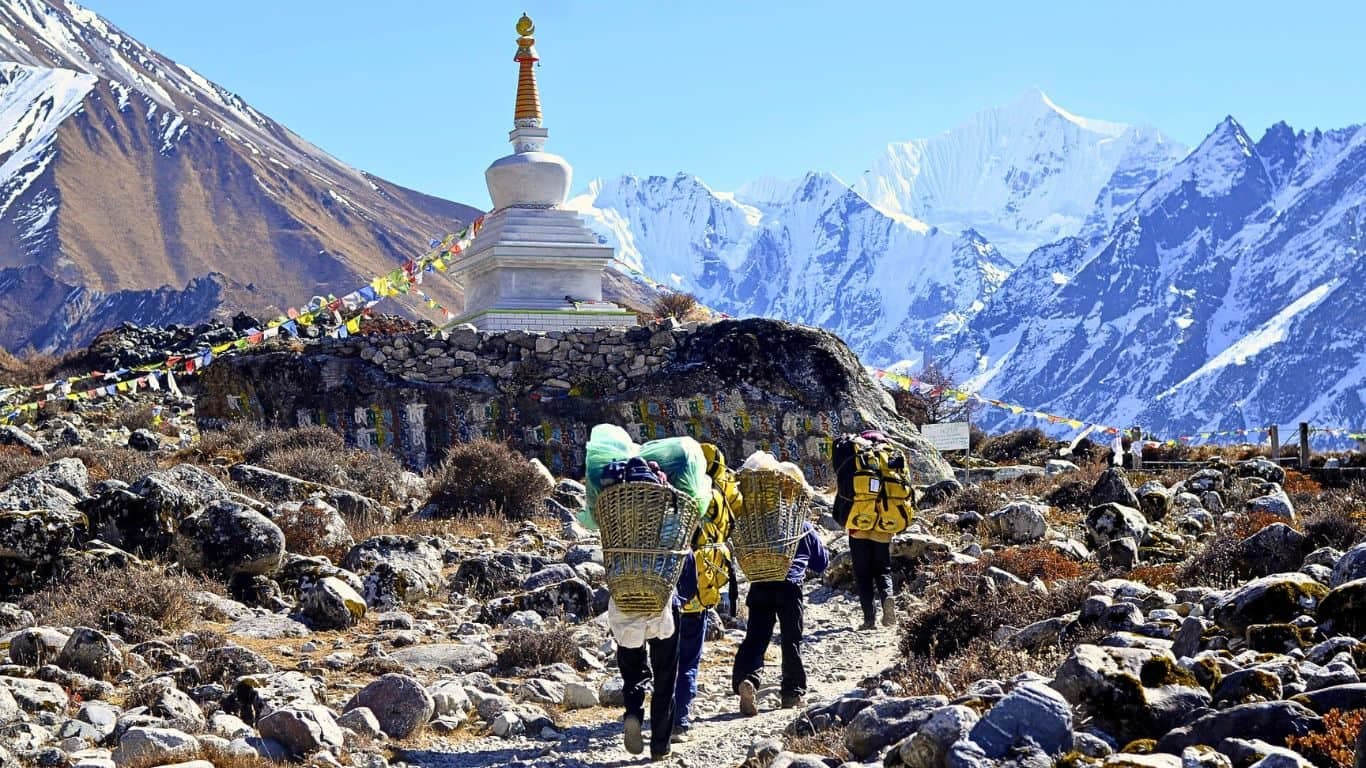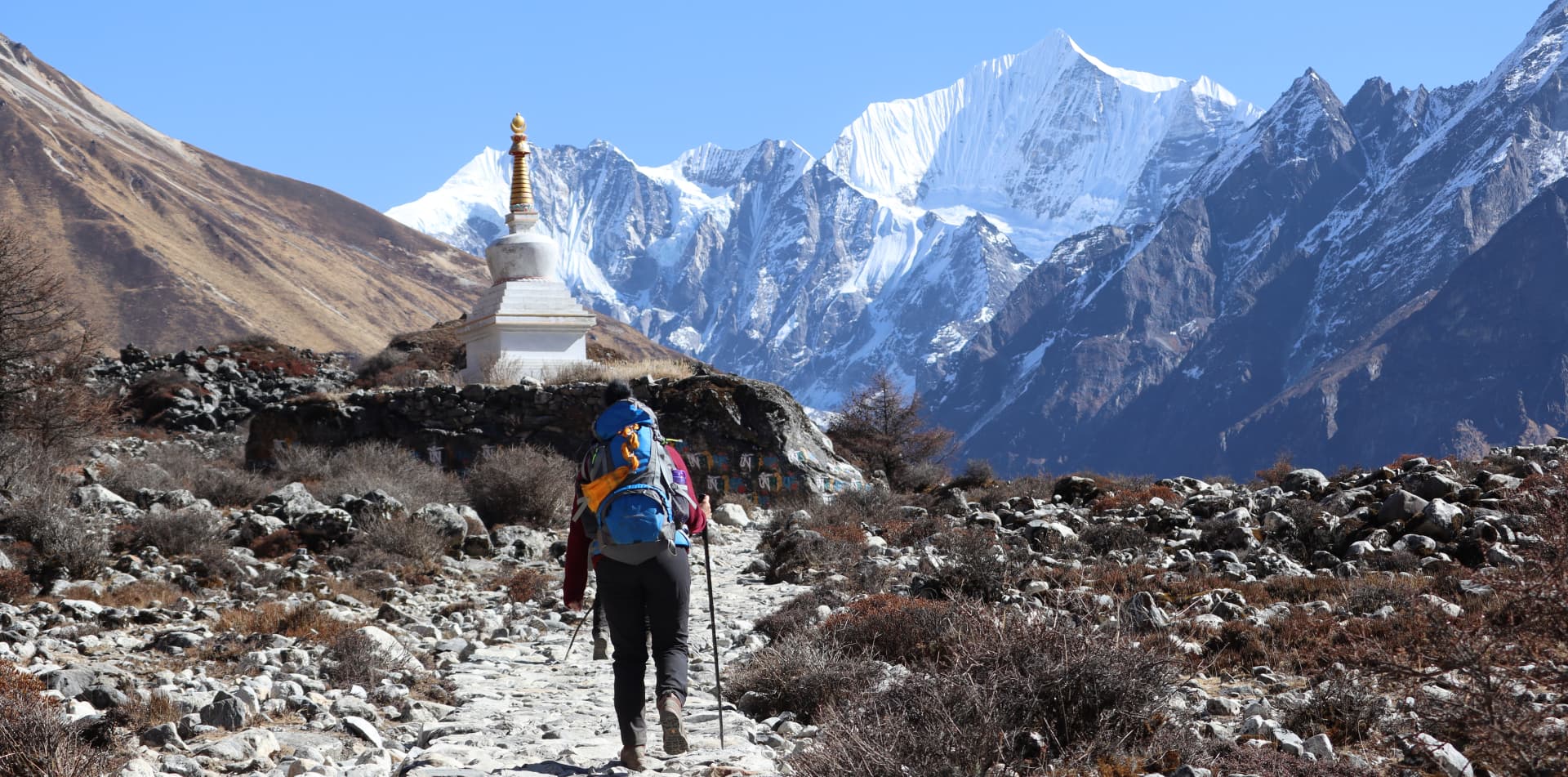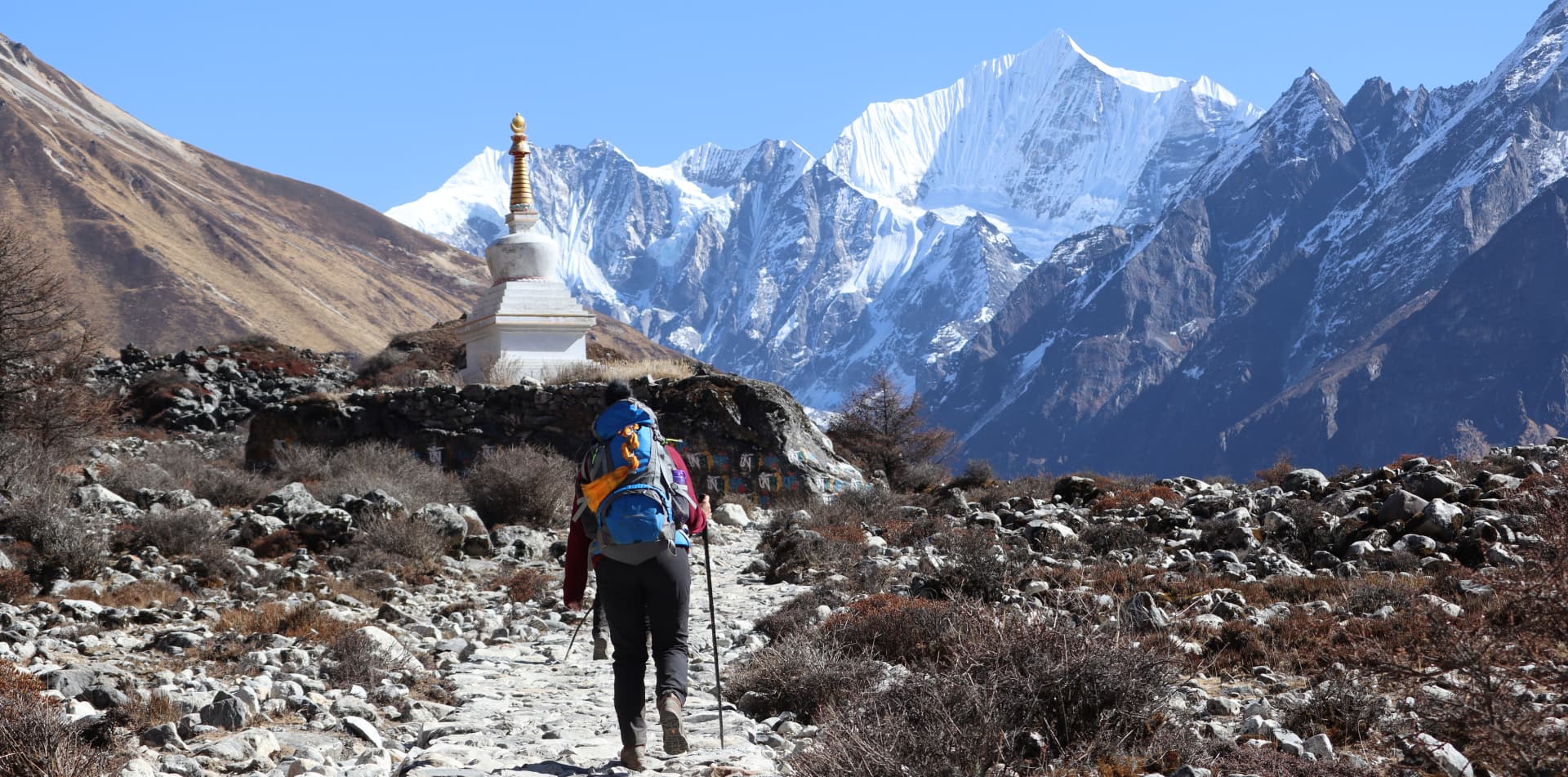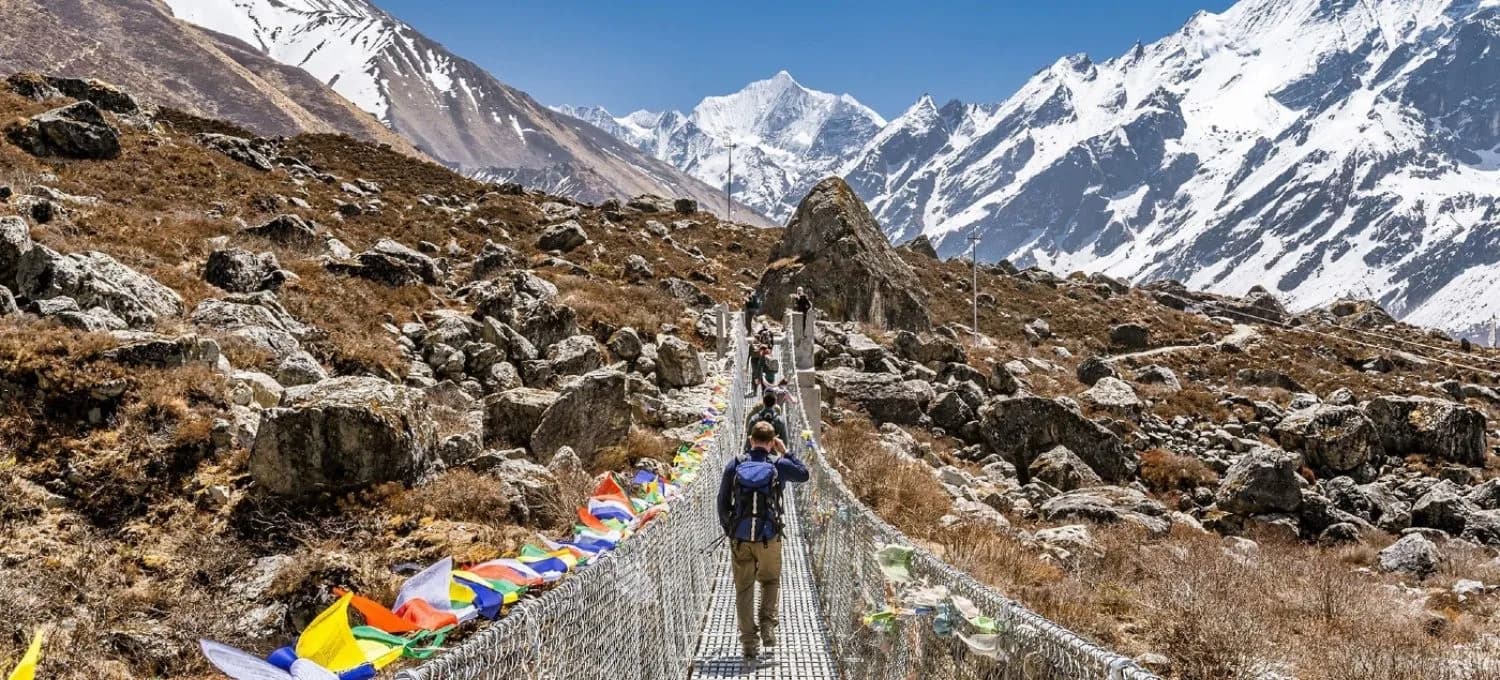
No cancellation fees. No hassle. Book Now, stay relaxed.

Langtang Region Guide
Langtang Region Guide

This a guide. 

Travel Guides

A Realistic Guide: Langtang Valley Trek Difficulty for Beginners

A Realistic Guide: Langtang Valley Trek Difficulty for Beginners

Understanding the Overall Difficulty of the Langtang Valley Trek The Langtang Valley trek might be a good option if you're planning your first adventure in Nepal. It is known as one of the easiest trekking trails in the country. However, the word "easy" might mean something different to a beginner. This article will give you a clear and honest assessment to help you understand the real challenge of the Langtang trek. We will consider the number of steps you'll take, the altitude you'll reach, and what to expect on each day. By the end, you'll be able to decide whether this trek is right for you or not. Why is the Langtang Trek a Good Trek to choose as a beginner? The Langtang Valley trek is located near Kathmandu. The trek can be started in just one day, as opposed to other paths where one has to fly or take a very long road. The local surroundings are magnificent, including forests, mountains, and local culture. The route is often not as busy as other trendy routes and can provide newcomers with a more personal and quieter atmosphere. Difficulty of the Break-Even Point of the Langtang Valley Trek. The challenge of the trek is many-sided. It is defined by a number of factors. Let’s examine each one. The Daily Walking and Take a Trek Length. The Langtang valley trek is approximately 65 to 80 kilometers long. It is quite a short one when compared to many of the other Nepali treks. The majority take five or seven days to complete it. On average, five to seven hours of walking time is taken up. You will have frequent pauses for water, snacks, and photos. The trail has ups and downs, and thus on some days it can be steep to climb, and on other days it can be slightly downhill. A gradual rate is the most appropriate. You are not required to be a super-star athlete; one needs to be healthy and average in fitness. The Challenge of Altitude The greatest difficulty for many of the beginners is altitude. The summit of the trek is Kyanjin Ri at 4,773 meters (15,659 feet). The human body requires time to adjust to the thin air. In case you climb too fast, you can be attacked by altitude sickness. The positive is that the Langtang trek itinerary will involve acclimation. It involves rest days, which include the one in Kyanjin village of Gompa. This day gives time to adjust to your body before straining to Kyanjin ri. Listen to your body and your guide. Headaches and exhaustion are usual, but in case of any serious illness, it must be reported at once. The Termination and Trial Conditions. You will not require rope and climbing gear. The walk involves the use of straightforward walking tracks, which are not necessarily level. Dust roads, rocky or narrow stone steps, and forest paths are to be used. The road can be muddy or oily, especially after it rains. Good hiking boots should be used with good traction. There are a number of suspension bridges across rivers. Others are tall and slender and can swing a little as one walks. They are not dangerous; however, they may be unpleasant for those people who are afraid of heights.   An Easy Day-by-Day Visit to the Trek. The following is an example of a 7-day itinerary. It gives the timeline of what a newcomer can expect daily. Day 1:  Kathmandu to Syabrubesi. It is a seven or eight-hour trek on a bumpy pathway, which can be tiresome. Day 2:  Trekking from Syabrubesi to Lama Hotel. This is your first complete day of hiking with both uphill and downhill, with forest in between. This takes about six or seven hours, and you will feel the weight in your legs. Day 3: Trek from Lama Hotel to Langtang Village. The walk proceeds up the hill, and the valley is opened up with breathtaking views. The trip takes approximately five or six hours. Day 4:  Trekking from Langtang Village to Kyanjin Gompa. It is fewer hours, maybe three to four, but it is more altitude to gain, which comes very slowly. On arrival at Kyanjin ⁻ Gompa, you will have two nights there. Day 5:  Kyanjin Gompa acclimatization. It is a rest day, although short pauses may be made optional. A large number of trekkers pause to go a short distance up Kyanjin Ri to have panoramic sightseeing. The catchphrase is: Do not strain yourself. Day 6:  Hike between Kyanjin and Lama Hotel. You start falling, and it moves faster, but it might put a strain on your knees. The day would involve seven hours of descent hiking. Day 7:  Walking between Lama Hotel and Syabrubesi. This last day is mainly down through the forest, taking approximately four to five hours.   Is the Langtang Trek Right? A Checklist for Beginners To determine your preparedness, use the questions below. Are you able to walk five or six hours with a light backpack? Test your stamina by taking a hike on a weekend or a hill walk. Are you generally healthy? Prevent severe heart/respiratory problems. Are you satisfied with simple accommodation? Tea houses are not fancy, rooms are not flashy, and sharing of bathrooms is common. Do you like being without extravagances? Hot showers are not as certain as daily, but the food is plain and wholesome. Do you have a positive attitude? A positive state of mind cannot be underestimated in comparison to physical fitness. Certainly, some days can be difficult, but the experience is valuable. When you answered these questions with a yes, then you are probably set to go on the Langtang Valley trek. After the Everest, How to Ease the Langtang Trek for a First-time Hiker. You are able to minimize the challenge through wise decisions. Train before you go. Do heart rate exercises like walking, running, or cycling a few weeks before your excursion. Hire a guide or porter. It is the wisest thing one should do as a beginner. A guide knows the way there, organizes the tea houses, and keeps you safe. Your main luggage is carried by a porter so that you can walk around with a humble daypack. This relieves much stress. Pack light. Only what is necessary should be brought. An oversized bag makes every movement tedious. Proceed slowly. This is the most vital tenet of trekking. A Nepali phrase, which means slowly, slowly, is called bistare bistare. There should have been a way of walking at a speed that allows you to talk comfortably. Consume ample water. Sufficient hydration will help your body to be able to withstand altitude and physical activity. The Best Time to go as a beginner. Whether or not it is difficult depends greatly on the weather. The most favorable times for novices are: Autumn  (October-November): It is the most popular season. Skies are clear, the air is crisply refreshing, and the scenery is optimum. Days are neither hot nor cold, and nights are cool. Spring  (March to April): It is the second-best season. The weather is pleasant, and the rhododendron flowers bloom and cover the woods with color. The monsoon season to be avoided is June to August because the trails are wet and slick. It is not advisable in winter (December to February) because it is very cold and some of the passes may be closed because of snow.   Conclusion: Is the Langtang Trek doable by a Beginner? A Beginner will be able to accomplish the Langtang Valley trek. It is considered to be a medium type of trek, making it a manageable hiking activity for people new to hiking. Previous experience is not crucial, though both the body and mind have to be prepared. The Langtang Valley trek is found to be difficult due to the number of hours of daily walking and the elevated altitude of the region as well. However, when one has a good strategy, takes things step by step, and has someone to lead the way, it turns out to be an experience to remember. The feeling of being at the Kyanjin Ri with the magnificent Himalayan mountains in sight makes each step count. It is a perfect excursion of initiation into the mountains.

Read Article
About Langtang Valley

About Langtang Valley

Trekking in the Langtang Region is one of the most exciting excursions that trekkers may have on foot. The Tamang culture, snow-capped peaks, lakes, and awe-inspiring sceneries of the region left an indelible mark on your heart. Trekking in this portion of Nepal is easier than in places like Everest or the Annapurna Conservation Area. Langtang is an area in Nepal's Bagmati province in the north-central Himalayas. The region is notable for having the Langtang national park, which eventually forms the boundary with China's Tibet autonomous region. It is located 51 kilometers north of Kathmandu Valley. Langtang is derived from the Tibetan language, where 'Lang' Yak and 'Teng' signify - to follow. However, trekkers may come across yak in the higher valley of Langtang. Langtang is a thin sandwich valley located north of Kathmandu. The little Langtang valley borders Tibet to the north and has minor snowy peaks to the south. The Langtang Lirung is the range's most conspicuous mountain (7234 meters). Langtang Lirung, the 99th highest mountain peak in the world, has a significant vertical relief from the surrounding landscape. The Langtang Glacier is a long glacier in Nepal's Himalayan highlands, located in Langtang. It is Nepal's longest glacier river. Langtang valley trekking is the most popular and well-known hiking path in Langtang. A week journey plan includes beautiful mountain views, dense forest, and a variety of exotic creatures. Local tea houses have established themselves as regular visitor lodging and food providers. Located in the southern area of Langtang National Park, Gosaikunda and Helambu are two popular hiking destinations. Gosaikunda is a frozen lake with great pilgrimage significance in Hinduism. On a memorable day in August, a grand goodbye takes place around this lake. Helambu is a portion of Langtang and is known for its natural hiking. It is also a popular area for bird watchers.   Langtang Valley Trek Highlights   Trekking at a moderate level It is a prominent trek located near the Kathmandu Valley that can be completed in 11 days from arrival to departure. Syabrubesi, the trek's beginning point, is easily accessible from Kathmandu through a picturesque bus ride of 6-7 hours. A surprise element of the Langtang valley walk is that it can be completed in a week from a height of 1462m to 3798m. The route winds through a deep forest rich in variety and flora and wildlife.   Rare plants and wildlife can be found here. Langtang is naturally wealthy, and the entire region is abundant in flora and animals. This park has a great diversity of 14 plant types in 18 habitats, resulting in a magnificent variety of flora and wildlife. This national park's flora includes chirping rhododendron, silver fir, and oak. Langtang is well-known for its bird population, with over 250 different species found inside the park. The Langtang area protects a red panda, black bears, snow leopards, and 46 species of animals. Yak is the trip's main attraction.   A distinct culture and religion You may experience "Tamang Culture," which is connected to "Tibet Culture," which is a one-of-a-kind experience. You will encounter Buddhist flags, stones, monasteries, and little stupas. The trip itself is a cultural melting pot. The Langtang region is saturated with the mixed Tibetan races known as Tamangs and Tibetans who manage the tea and guest rooms there. Along with the excellent local dishes, you will be able to grasp the customs and culture of such ethnic groups.   Highlights of the Langtang Valley Trek The closest hike route to Kathmandu's capital There are several races of Himalayan Flora and Fauna. Culture's uniqueness and richness. Panoramic views of the high-altitude valleys of the Langtang area. Views of ice-covered glaciers Sky blue freshwater rivers flowed directly from the Himalayas. Yak milk, tea, and cheese are sampled. Langtang Gompa and Kanjanjin Gompa Buddhist shrine tours Where is the Langtang Valley? The Langtang Valley is located in Nepal's Rasuwa district. Syabrubesi is the beginning point for the Langtang valley trek. Similarly, it is also the final point of Nepal's Langtang valley trip. Syabrubesi is around 180 kilometers from Kathmandu and approximately 15 kilometers from the district seat of Dhunche. You may also begin the Langtang Valley Trek at Dhunche, although most hikers choose to begin in Syabrubesi. The Langtang Valley Trek is entirely within the Langtang National Park. It is one among Nepal's most popular national parks for seeing unusual flora and animals. Similarly, after around 240 kilometers, you may reach Syabrubesi. Then, to reach the Langtang valley, walk through the rhododendron woodland within the Langtang National Park.   Langtang Valley Trek Difficulty Level The Langtang Valley Trek is located within Nepal's Langtang National Park. It is one of Nepal's idle hikes because of its close proximity to Kathmandu. A hike to Langtang Valley requires no previous trekking experience. The majority of the Langtang Valley trip, however, is over 3,000 meters. As a result, there is a considerable risk of altitude sickness. The difficulty level of Nepal's Langtang valley ranges from moderate to tough. Hikers must, however, work out a few weeks before the expedition. There are several local teahouses and resorts in Nepal's Langtang valley. However, the amenities available here are rather minimal. Meanwhile, you must spend the night at the tented camp while trekking to Ganja La pass.   When Is the Best Time to Visit Langtang Valley? With the proper walking equipment, the Langtang Valley may be visited virtually all year. However, the months of December and January are less favorable due to the increased likelihood of snowfall during these months of the year. The weather is chilly in February as well, but with the proper hiking equipment, you may embark on a Langtang Valley Trek. The months of March, April, and May are ideal for the Langtang Valley hike. The weather is clear throughout these months of the year, and the possibilities of snowfall are also relatively low. During these months of the year, the days are warm, but the evenings and mornings are cool. During certain months of the year, spectacular vistas of mountain ranges and valleys may be observed due to the excellent visibility.   March, April, and May are also ideal months to explore Langtang Valley. Rainfall is quite unlikely throughout these months of the year. Various waterfalls can be seen throughout these months of the year. Furthermore, the blooming rhododendron flower during the month of March makes walking in the lower region enjoyable.   Attractions in the Langtang Region The Langtang range, which is frequently visible from Kathmandu's city center, is the most accessible hiking in Nepal. If the city pollution and traffic weren't so bad, you could walk right from your guesthouse to the mountains. Three primary trek routes span much of the Langtang National Park and the southern Helambu region: 1) Langtang Valley, 2) Helambu, and 3) Gosaikunda Lake. Lauribina La connects the Langtang and Helambu regions. All itineraries include a locally managed hotel/lodge as well as group camping.   Langtang National Park Langtang National Park is around 30 kilometers north of Kathmandu, Nepal's capital city. Aside from that, it is located near the Tibetan border and extends east-west. Similarly, the Langtang National Park's northern boundary is with the Himalayas, which is controlled by the Langtang Lirung. Langtang Lirung is also the tallest mountain in the Langtang National Park, rising 7,250 meters above sea level. The Langtang National Park's southern boundary is Chimse Danda. Meanwhile, Ganja La Pass is the highest pass in Langtang National Park, rising 5,122 meters above sea level. After passing across the Ganja La pass, you may access the Helambu Circuit route. Langtang National Park was founded in 1976 and is mostly populated by Taangs from the Helambu region. You may see some of the historic monasteries while hiking through this national park. Langtang National Park, which covers an area of 1,710 square kilometers, is well-known for its Red Panda population. It is one of the world's endangered species, and it is protected within Nepal's national park. Chirpine and Rhododendron are also prevalent plants in Langtang National Park.   Langtang Village Langtang village is a popular overnight stop in Nepal on the Langtang valley trek. The Langtang valley has various settlements, the largest of which being Langtang village. However, the terrible earthquake of 2015 entirely devastated the Langtang village. However, more teahouses and lodges are already being built around the area. Langtang hamlet is located near the base of Langtang Lirung mountain at an elevation of 3,400 meters above sea level. The highest mountain in the Langtang National Park is Langtang Lirung. Meanwhile, Langtang Lirung is located 7,227 meters above sea level. Aside from that, spectacular vistas of the high mountain ranges may be seen from the Langtang town. Kyanjin Ri The highest point of the Langtang Valley walk is Kyanjin Ri. It is located at a height of 4,773 meters above sea level. The top of the peak offers breathtaking views of the Langtang valley, glaciers, and mountain ranges. There are no lodges or tea rooms at the summit of the hill. Because the majority of trekkers walking towards Kyanjin R spend the night at Kyanjin Gompa. An early morning stroll is necessary to see the sunrise from Kyanjin Ri. Hikers typically get up around 5 a.m. and begin trekking towards Kyanjin Ri to experience the spectacular dawn scenery. The journey from Kyanjin gompa to Kyanjin RI will take between 2 and 4 hours, depending on the hikers. On the northwest side, after reaching the summit, you can see the Langtang Lirung. Similarly, the Langtang glacier can be seen below the top. The Changbu and Yubra mountains may be seen to the right of the Langtang Lirung. Meanwhile, on the northeast side, Yalla Peak may be seen. The Tsergo Ri, located 4,984 meters above sea level in the southwest corner, is visible.   Gompa Kyanjin Kyanjin Gompa is one of the most picturesque settlements in Langtang National Park. The town, which is located at an elevation of 3,860 meters above sea level, offers spectacular views of the mountain ranges Langtang Lirung, Changbu, and Yubra. Kyanjin Gompa is the most popular overnight stop for hikers heading toward the Kyanjin Ri's Ganja La pass. There are several local teahouses as well as lodges located near the Kyanjin Gompa. A vintage monastery is also located in the town. This medieval monastery is thought to be centuries old, and you can see the Tibetian influence within.   The Langtang Himal and the Glacier The tallest peak of the Langtang National Park is Langtang Lirung. It is the tallest mountain in the Langtang Himal ranges, rising 7,234 meters above sea level. The Langtang Himal is located between the Sunkoshi River on the east, the Trishuli Gandaki on the west, and the Langtang Khola on the west. Langtang Glacier is one of Nepal's longest glaciers. It is also Nepal's longest glacier river, formed by the Langtang Lirung mountain.   Other Langtang Region Attractions Langtang Valley, located inside Nepal's Langtang National Park, is one of the park's most popular destinations. Aside from it, there are more famous spots to visit in Nepal's Langtang valley. The Gosainkund, Helambu, and Ganja la pass treks are among the main hikes available on the Langtang Valley Trek.   Gosainkunda At a height of 4,380 meters above sea level, Gosainkunda is one of the fresh alpine lakes. It is also one of the most frequented sites inside Nepal's Langtang National Park. It is 34 acres in size and is located in Nepal's Rasuwa district. It is one of Nepal's high-altitude lakes that remain frozen for about six months. The Gosainkunda lake melts to become the Trishuli river, another significant river in Nepal. The Gosainkunda Hike is a famous trek in the area. Hikers usually begin their journey to Gosainkunda Lake at Nepal's Dhunche village. The two-day trek will take you to Nepal's Gosainkunda lake. The hike will take you to Tamang villages like as Chandanbari, Cholang Pati, Lauri Vinayak, and many more. The Langtang valley trip can also be combined with the Gosainkunda trek. The Gosainkunda trail begins in the Langtang region's Chandanbari settlement.   Helambu Helambu is one of Nepal's best-kept secrets. It is also one of Nepal's least traveled hiking paths. After passing via Ganja La Pass, you may join the Helambu trip. Ganja La pass, at a height of 5,122 meters above sea level, is one of the most demanding high-altitude passes. After crossing the Ganja La pass, you will arrive in the Helambu region's Keldang settlement. A two-day walk will take you to Nepal's Tarke Ghyang village. It is one of the most intriguing communities in the Helambu area. Similarly, from Tarke Ghyang hamlet, you may explore Ama Yangri peak. It takes an extra day to walk to the peak of Ama YAngri and return to Tarke Ghyang.   The Ganja La Pass Ganja La pass is one of Nepal's difficult passes. The summit of the pass, located at a high height, offers spectacular views of the mountain ranges and valleys. Similarly, after passing across the Ganja La pass, you will arrive at the Helambu area. Because there are no settlements or human population areas when crossing the Ganja La pass, camping is essential. This high pass of Nepal is located at an elevation of 5,130 meters above sea level.   Yala Peak Yala Peak is a renowned trekking mountain within Nepal's Langtang National Park. Beautiful views of the mountain ranges may be observed at a height of 5,500 meters above sea level. Similarly, breathtaking views of the Shishapangma may be observed. It is also one of the world's tallest summits, rising 8,013 meters above sea level. It is located in Tibet and is one of the world's lowest 8,000 peaks. This mountain does not need any technical climbing. As a result, it is one of the most popular spots to visit during the Langtang Valley Trek.   Tserko RI The trip to Tserko RI begins at the Kyanjin Gompa settlement, which is 3,800 meters above sea level. TSerko Ri, located at an elevation of 5,000 meters above sea level, is one of the must-see spots in Nepal's Langtang National Park. The peak provides spectacular 360-degree views of the mountain ranges. There are no other water sources outside the local teahouse and the lodges. As a result, you'll need to bring lots of water and food with you when trekking to Tserko Ri. Tserko Ri is about a four-hour trek from Kyanjin Gompa.   How to Get From Kathmandu to Langtang Valley Langtang Valley is a famous hiking location close to Kathmandu. The elevation is 3,430 meters above sea level. Langtang Village is one of the most well-known settlements along the Langtang Valley Trek. The Langtang Valley is located in Nepal's Rasuwa district. You may take a bus to Syabrubesi from Dhunche's district headquarters. There are two methods to go to Syabrubesi via car. The first is via the Kakani, while the second is by the Gulchi. The drive to Syabrubesi is an off-road journey that takes roughly 6-8 hours from Kathmandu. Similarly, the distance between Kathmandu and Syabrubesi is around 180 kilometers. If you are coming from Pokhara, you may take the Prithivi Highway until Galchhi and then switch to the Betrawati Highway. Stunning views of the mountain ranges may be observed on the way to Dhunche and Syabrubesi. Syabrubesi serves as both the starting and final point for the Langtang Valley Trek. Following the Langtang River upstream, you will arrive at the Lama hotel for an overnight stay. Walking through the deep forest, you will arrive at Ghoda Tabela and continue on to Langtang village for an overnight stay. After a day of hiking from Langtang village, you may also visit the Kyanjin Gompa. In addition, Kyanjin Ri may be reached via Kyanjin Gompa.   Langtang Region Acclimatization and Safety High altitude sickness (HAS) can be fatal if elevation is reached too quickly without adequate acclimatization. Once over 3000m, medical professionals advise not to rise more than 400m each day. Alternatively, before rising further, one might spend an extra night at 3000m or 3500m. HAS is exacerbated by overexertion and dehydration. Aside from tea and coffee, which are diuretics, drink at least 3-4 liters of water every day. Keep an eye on the health of your friends and porters. Headache, dizziness, difficulty breathing and sleeping, lack of appetite, nausea, and overall weariness are all symptoms of HAS. If someone gets HAS symptoms, take them to a lower elevation very away. After rain or frost, the Langtang-Helambu routes become rough and treacherous. While crossing landslides, keep an eye out for falling rocks but do not stop. Never go hiking alone. Hiring local guides is strongly advised for the Ganja La (5120m) climb and the Lauribina La (4600m) trek during the winter. Because there are no medical services outside of Dhunche, carrying a thorough first-aid kit is recommended. Telephones are provided in Singh Gompa and in key communities around Helambu. The earthquake of 2015 entirely devastated the Langtang village. However, more teahouses and lodges are already being built around the area. Langtang hamlet is located near the base of Langtang Lirung mountain at an elevation of 3,400 meters above sea level. The highest mountain in the Langtang National Park is Langtang Lirung. Meanwhile, Langtang Lirung is located 7,227 meters above sea level. Aside from that, spectacular vistas of the high mountain ranges may be seen from the Langtang town. Why should you undertake the Langtang Valley trek? This walk is suitable for those who want a short yet spectacular trek into the majestic Himalayas. The Langtang area, which includes Tibetan hills and quiet rural scenery, is fairly near to Kathmandu. The Langtang valley trekking is one of the most popular trekking areas owing to the opportunity to stroll through the Langtang National Park while admiring the amazing views of Mt. Langtang Ri, Langsisa, Langtang Himal, and Ganja La peak. Permits and Fees for Langtang Langtang National Park contains trekking trails in the Langtang area. Foreigners must pay an admission fee to enter Langtang National Park and receive a TIMS card before trekking in the Langtang area. Fees and Permits in the Langtang Region For international visitors, the admission price to Langtang National Park is 3,000 NPR plus 13% VAT, for a total of 3,390 NPR (about US $34). The admission cost to Langtang National Park for SAARC citizens is 200 NPR. TIMS permit: There are three kinds of TIMS cards. They come in three colors: green, blue, and pink. Individual trekkers will receive a green card, which costs $20. The blue TIMS card, which costs $10, is for organized group hikers. Your pink TIMS card will only cost $6 if you are a SAARC national. Langtang Region Trekking Trails The Langtang area is one of Kathmandu's closest hidden jewels. Syabrubesi, around 180 kilometers from Kathmandu, serves as the beginning point for the major treks in the Langtang area. However, you may begin your journey to the Langtang area from Dhunche, the district seat of Nepal's Rasuwa district. Other hikes within the Langtang region exist in addition to the Langtang valley walk. Ganjala Pass and Langtang Valley Trek The Langtang Valley Ganja La Pass is one of the most popular treks in Nepal's Langtang area. During this 15-day trek trip, you will be able to see some of the UNESCO world heritage sites located inside the Kathmandu valley. Similarly, before arriving in the Helambu area, you will see Kyanjin Gompa, Tserko Ri, and Ganja La Pass. After passing the Ganja La Pass (4,300 meters above sea level), you will arrive at the Helambu area. Similarly, on your rest day in Tarke Ghyang, you will be able to explore the Ama Yangri mountain, which is 3,771 meters above sea level. Ama Yangri is one of Helambu's hidden beauties from which to view some of the high mountains, including Mount Everest. Trekking in Langtang Valley and Gosainkunda The Langtang Valley Gosainkunda Trek begins in Syabrubesi and concludes in Dhunche. The Langtang Valley will be explored during the trek's woodland week. Where you will be able to visit prominent locations such as Langtang hamlet, Kyanjin Gompa, and Kyanjin Ri. You will climb back to Kyanjin Ri after exploring Kyanjin Ri. You will take the same path till Thulo Syabru, passing via Langtang village's Lama settlement. You may meet the Gosainkunda route at Sing Gompa, also known as Chandanbari. The Gosainkunda lake is approximately 6 hours' walk from Sing Gompa. From there, take the same path until you reach Sing Gompa, then continue downhill past Dimsa hamlet to Dhunche. Trekking in Langtang, Gosainkunda, and Helambu. The Langtang Gosainkunda Helambu trip is one of the best ways to see all of the highlights in Nepal's Langtang and Helambu regions. This journey is lengthier than other hikes in the Langtang area. This walk begins in Syabrubesi and concludes in Sundarijal. Following a tour of some of Kathmandu's UNESCO World Heritage sites. You will go to Syabrubesi, which is around 180 kilometers from Kathmandu. Before proceeding to the Gosainkunda, you will see Kyanjin Gompa and Kyanjin Ri, as well as other Tamang settlements. The Gosainkunda lake is reached after a four-day hike from the Kyanjin Gompa. From there, proceed to Chisapani village and finally to Sundarijal, where the walk concludes. Plan a vacation to Nepal, focusing on the Langtang region. We guarantee that the sheer beauty of the place will captivate you. It is densely forested, with mountains and Tamang communities. The region exemplifies the amazing religious concord that has existed in Nepal for centuries. There are several locations in the neighborhood where both persons may meet (Hindus & Buddhists). The area's lakes, rivers, mountains, monasteries, forests, villages, and high passes make it a must-see in Nepal.

Read Article
Best Time to Trek Langtang Valley: Best Seasons & Weather Tips

Best Time to Trek Langtang Valley: Best Seasons & Weather Tips

Why Timing Matters for Langtang Valley Trek Just a day’s travel from the lively streets of Kathmandu, the Langtang Valley Trek appears as a separate realm — a tranquil Himalayan refuge where historic woodlands blend with wildflower pastures, and glacial summits shine over everlasting Tamang settlements. The path starts softly amid rustling pine and oak, then ascends to ridgelines adorned with prayer flags and snow. As you travel, you listen to the melodies of rivers cascading over rocks, catch the scent of wood smoke wafting from teahouse kitchens, and observe yaks eating beneath skies so clear they appear limitless. This captivating valley is located in the center of Langtang National Park, renowned for its landscape as well as its cultural and biological diversity. Red pandas conceal themselves within rhododendrons, blue sheep wander the steep cliffs, and monasteries resonate with gentle chanting as morning light graces their golden roofs. Since the scenery changes significantly with the weather, selecting the ideal time to hike Langtang Valley is crucial. The season you choose will influence your perspectives, the comfort of your evenings, the animals you see, and the atmosphere of the towns you travel through. Whether you desire vibrant hillsides, clear autumn days, a blanket of winter snow, or the intense spectacle of monsoon rains, Langtang presents a unique experience every month — provided you plan your visit carefully.   Best Time to Trek Langtang Valley: Complete Season-by-Season Guide Spring (March–May) Spring in Langtang is a festivity of vibrancy and vitality. March arrives with chilly mornings and serene paths as rhododendrons start to blossom on the slopes. In April, the woods burst into vibrant shades of pink and red, the snow on the peaks transforms into lively streams, and the atmosphere buzzes with birdsong. May brings longer, warmer days, simplifying climbs to Kyanjin Ri or Tserko Ri without the need for heavy clothing. The season provides clear skies and pleasant weather ideal for novices and families, but its popularity can lead to crowded teahouses in April and elevated room rates. Clouds in the afternoon can develop rapidly, and thawing snow might create some muddy patches, yet in general, spring is among the most gratifying seasons for valley exploration. Summer Monsoon (June–August) With the appearance of June, the first touch of the monsoon has started, and the dust is beginning to be moistened, making the hills turn a vivid emerald color. The falls rush, and wildflowers bloom, and this adds a wild and almost concealed beauty to the valley. July, however, is full of rain, wet trails, and leeches in the forests, and landslides at times tend to hinder the road to Syabrubesi. In August, fogs are low around the trees, so the tall mountains are not in view, but are enveloped, and give a whimsical effect. Those who decide to hike during summer are present to practically no people and enjoy the sense of wilderness, as well as dry gear, unpredictable trail conditions, and the lack of a big mountain sightline. Autumn / Fall (September–November) After the rains have flown, Langtang starts afresh. September is still pleasant with a hint of Autumn coldness, and the hills look shiny due to some months of rain. The best month of the valley is turned to October: blue skies with snowy tops, roads are clear and dry, and the atmosphere is full of stimulation with Dashain and Tihar celebrations of the communities. It is an ideal month for photographers and people in need of reliable weather. The soft amber light of November is there as well, and the number of people has dwindled, yet evenings grow chilly as winter is at hand. Autumn also offers the best conditions, which include clear views, cultural activities, and moderate temperatures, and it is very popular, hence early booking is necessary in Kyanjin Gompa or Lama Hotel. Winter (December-February) Winter falls all silently on Langtang, and fills meadowlands and roofs with a soft white silence. December leaves snow early on the ground and offers sunny days to offer serenity to anyone who prefers to walk around a lot and have star nights. It gets colder in January, and Kyanjin Gompa is a wintry refuge where one can hear everything and the temperatures after a day go down much below zero when it gets late. The month of February has longer daylight, and is a more dependable period against variable paths, and produces a pleasantness that is slight but delicious, preceding the coming of spring flowers. Winter means proper gears and guidance of somebody who is familiar with snow-covered trails and that some of the teahouses close down at high altitudes. In its turn, the hikers become a sense of intimacy of the valley - crystal-clear view, serene trails, and a feeling of owning the mountains.   Locations and Excursions Each angle within the valley has a different pace. The months of April and October are the most brilliant months to visit Kyanjin Gompa, when the yak-cheese dairies are open and the views are across the glaciers. There would be an early morning hike to Kyanjin Ri or Tserko Ri in autumn, wherein you can have golden breathtaking views. The Langtang Village and Lama Hotel can welcome visitors during most of the year, but in the heavy season of monsoon mud, movement can be too difficult. It is best in late spring or early autumn when trails are free and mountain reflections are shimmering on smooth water Side trips such as Gosaikunda Lakes or the Tamang Heritage Trail are also good at this time of the year. Security and Transportation At any time, altitude sickness may be experienced beyond the altitude of 3,000 meters and thus take time to adapt. The Kathmandu to Syabrubesi road is the smoothest in spring and fall, but landslides may occur in the monsoon season, causing the blockage of some areas. Even almost all the teahouses stay open except during the height of mid-winter periods, and you should take out a Langtang National Park permit and a TIMS card, which can be easily obtained in Kathmandu or at the starting points. There are daily public buses, but the private jeep is faster and more comfortable, while there is a shoulder season of the year when the weather is rather unpredictable. The Making of Your Own Mountain Story You may choose a quest to find valleys whose rhododendrons fill, you may choose to shoot the snow-capped mountains in a perfect October sky, or you may find a transforming experience in a calm winter ridge. Langtang is all about who fulfills the music and feels in time. Spring and fall months can be the happiest and safest months, the most beautiful and the richest in the warmth of the Himalayas. The charm of each season is individual: there are colorful cascades of monsoon, still snow layers, or even the mildness of the flowers at the beginning of March. Put on your boots and create your own months, the months that appeal to the soul, and also leave the valley to show you that memorable segment of your mountain story.

Read Article
Culture in Langtang

Culture in Langtang

The Tamang people, one of Nepal's major ethnic groups, mostly occupy the Langtang Valley. They mostly practice Tibetan Buddhism, although they are also greatly influenced by Animism and, to a lesser extent, Hinduism. Their name is a combination of the Tibetan words "Ta" (horse) and "Mang" (traders). The Tamang originated in Tibet. Their forebears are said to have been a cavalry division under Tibetan King Srong-sen Gampo. When he attacked Kathmandu in the 7th century, several people lived along the path. In 1762, King Prithvi Narayan Shah captured their ancestral territories. Tamangs are profoundly devout people. They have a high regard for their shamans, or 'Lama.' From birth through death, rituals are performed in their presence. The Damphu is a Tamang-only musical instrument. It resembles a tambourine and is utilized in all important rituals. Tamang people eat a lot of rice. However, rice was traditionally limited due to the Tamang villages' position. As a result, rice is not commonly seen in Tamang cuisine. Furuala is a traditional Tamang dish. Buckwheat flour is deep-fried. Gundruk (fermented leafy green vegetables, primarily spinach) is quite popular. It can be eaten as a pickle or in soup. What is the primary Langtang region festival? Many beautiful festivals are celebrated in the Langtang region by both locals and pilgrims. Tarna Festival and Janai Purnima are two that stand out.   The Tarna Festival Tarna is a one-of-a-kind celebration held in the Langtang area. It is observed on Bhadra Purnima, the full moon day of the month of Bhadra. Bhadra is a month in the Nepali calendar that falls between August and September. The celebration commemorates the conclusion of Guru Rinpoche's 600-year meditation in a cave in the Upper Langtang Valley. The event is located within and around a cave on the west side of the Lirung Glacier at 4,200m/13,860ft. Guru Rinpoche was an Indian monk who is credited with helping to propagate Buddhism in Tibet. Guru Rinpoche translates as "dear instructor." Padmasambhava, which means "Born from a Lotus," was another name for him. He is credited with founding the Nyingma school of Buddhism. He is also said to have assisted in the construction of Samye Monastery, Tibet's first Buddhist monastery.   Janai Purnima  Janai Purnima is a significant Hindu religious feast. It also coincides with Bhadra Purnima, which occurs between August and September. Janai is a sacred thread that every Brahmin and Chhetri caste males are obliged to wear. It is composed of three cords that represent the intellect, body, and speech. The user is meant to control them by wearing a Janai. The Janai is exclusively worn by men who have participated in Bratabandhan. It is a rite that represents the maturation of a youngster into a man ready to devote himself to his religion. The Janai is replaced or worn initially on Janai Purnima. Bathe to purify oneself and give gifts to their ancestors. Thousands of pilgrims visit Gosainkunda during Janai Purnima. On that day, it is claimed that all Hindu deities descend to the lake. Taking a plunge in the lake is therefore an opportunity to grow closer to god.

Read Article
Food on the Langtang Trail

Food on the Langtang Trail

The Langtang Himal Trek can indeed be called an underrated trekking location in Nepal. It is an exemplary location because of the breathtaking vistas of the Himalayas, the symphony of falling waterfalls, and the thrills of experiencing traditional Nepalese culture. Furthermore, it is a well-infrastructured road, making it ideal for a comfortable yet distant experience of Nepal's mountains and villages. Did you also know that the Langtang trek fee is meager, making it a very reasonable experience? While we could go on and on about how wonderful the Langtang Valley walk is, this article is primarily on the cuisine available in Langtang during the tour. We'll also talk about the phone, Wi-Fi, and internet in Langtang. So, shall we go right in? Foods during Langtang Valley Trek The Langtang area of the Himalayas is a popular and easily accessible hiking destination. Trekkers may consume a variety of cuisine in the region because the path is popular. Warm/healthy meals and pleasant lodging in Langtang are necessary for a safe and enjoyable tour. If you enjoy eating, the Langtang Valley Trek is an excellent opportunity to sample traditional Nepalese cuisine prepared with distinct spices. The cuisine is determined by the local trekking committee and is the same from Syabrusi to Kyanging Gompa. Let's look at some of the dining alternatives in Langtang before learning about the accommodations. You can select from a variety of cuisines ranging from traditional mountain fare to generally popular fare. Dal Bhat is one of the most prevalent dishes found along the path. It is the most prevalent type of food available in the highlands. Dal Bhat is a dish of rice, lentil soup, curries, vegetables, pickles, and other ingredients that is high in protein, carbs, and minerals. Aside from the traditional Dal Bhat, the area is also known for its momo. You can also eat chowmin, pizza, and a variety of other meals. Despite the fact that it is a high mountain environment, there are several culinary options.   Langtang Trek Breakfast Breakfast is the most essential meal of the day, and it must be comprehensive. Breakfast is served between 7 and 10 a.m. at the tea houses, allowing you to begin your Lantang hike early. After supper in the tea house in Langtang, it is easy to order breakfast. In any case, you may get Tibetan bread (which you must taste at least once) and bread/chapati with jam/honey. Breakfast includes a variety of hot soups, pancakes, oatmeal, muesli, and omelets.   Langtang Trek Lunch We'll have our lunch on the way out of the motel after breakfast. Before 1 p.m., a Langtang trek guide will accompany you to a decent restaurant. For lunch, we recommend the carbohydrate-rich Nepalese Dal Bhat. This limitless supply of boiled rice, lentil soup, mixed veggie curry, and pickle keeps you going all day. Nepalese people eat the same combination of foods twice a day and never get tired of it. So, obviously, it's tasty. Fried rice, spaghetti, pizza, and Spaghetti are all available. Although these are excellent choices, the taste of foreign food on the Langtang trip may fall short of your expectations.In that scenario, momo and noodles are always available to help.   Langtang Dinner It would be best if you sometimes had your meal in the hotel where you are staying. Dinner selections are identical to those provided during lunch. Desserts such as apple pie, rice pudding, chocolate pudding, apple filter, and others should not be overlooked.   Langtang Drinks The liquid possibilities are also rather remarkable. Tea and coffee will be served with Ginger Honey Lemon. There are also decent alcohol alternatives, including as local wine, beer, and rum. However, you should be aware that strong beverages at such altitudes dehydrate you and make you susceptible to altitude sickness. As a result, it's best to avoid them.   Langtang's Regional Cuisine Aside from the meals on the menu, there are some additional Nepalese dishes that you should absolutely try. You may have your tea house owner create these foods for you, or you can eat these ethnic cuisines in select places. You obviously need Thakali Khana and Momo. Dhindo and Gundruk are both delicious, as are Sel roti, Yak cheese, and Nepalese curd. Tibetan Noddle soup (Thukpa) and butter tea are additional must-haves on a cold day. While in Kathmandu, you should taste Samayabaji and Yomari.

Read Article
Lama Hotel in Langtang Valley

Lama Hotel in Langtang Valley

The Lama Hotel is a popular rest station on the Langtang Valley Trekkingroute. There is some confusion around this hamlet because the name indicates it is a single hotel, however, the Lama Hotel village is actually more than one structure. It's centrally placed between Syabrubesi and Langtang Village, making it ideal for the beginning and last nights of the journey. Everything you need to know about Lama Hotel is right here.   A Brief History of the Lama Hotel in Nepal The Lama Hotel does not have a long history. Around 30-35 years ago (in the 1980s), the town was built virtually completely for tourism. The majority of the hotel owners are from Langtang Village, which is one stop farther along the walking circuit. Locals flock here during peak seasons to open teahouses and then return to Langtang village during the off-season. Because this location is in Langtang National Park, they officially do not control the government-owned structures.   Guide to the Lama Hotel Village Lama and Tamang are the most common ethnic groups. Buddhism is a major religion. Tibetan, Nepali, and Tamang Population: around 15-20 persons The altitude of the Lama Hotel: 2480 m (8,136 feet) The oxygen concentration is 75%, compared to 100% at sea level.     Finest Time of Year to Visit Lama Hotel: For the ideal weather and clear sky, the locals suggest October and November are the best months to visit, however, it is a little chilly. The second best time to visit is in March and April when the lovely flowers are in bloom, notably the national flower, the rhododendron.   Teahouses at the Lama Hotel Teahouses, which are modest lodgings, are one type of accommodation. There are seven teahouses in the hamlet, so there are plenty of options. The room cost 500 rupees (about $5 USD). Veg Dal Bhat costs 600 rupees (about $6 USD).   Electricity: There is power, and if there is enough solar power, you can charge a phone or anything for free.   Toilet Situation: There was a common western toilet on the top level of the building. There was a squat toilet on the ground level, but you had to step outside for a few seconds to get to it.   Shower: A hot gas shower costs 250 rupees (approximately $2.50 USD).   WIFI: There is currently no wifi available in the neighborhood.   Location: Lama Hotel is situated within Langtang National Park. It is located to the north of Kathmandu and to the south of the Langtang mountain range and Tibet. The little settlement is located on the banks of the Langtang River.   How to get to the Lama Hotel? The Lama Hotel is a one-day walk from the nearest major highway, which takes you to Syabrubesi. This settlement is only accessible by foot. There is no road leading here. Entry Permit:  Foreigners must acquire a 3,000 rupee ($26 USD) admission permit to enter Langtang National Park. The permit may be purchased at the Nepal Tourism Board headquarters in Kathmandu.   NTC or Ncell service: No cell service is available in the region.   Activities to do at Lama Hotel: Because the neighborhood was constructed particularly to provide guests with a place to sleep, there aren't many things to do in Lama Hotel.   The trek here is lengthy and exhausting, so most people just stay by the river in the evenings to rest, read a book, or play cards by the fire. Yak Milk Products in the Lama Hotel – In Kyanjin, there is a yak cheese factory, and the cheese produced it is well-known. You may sample Kyanjin yak cheese, yak milk, and yak curd with all the yaks in the neighborhood (yogurt).   Interesting Drinks - Sea buckthorn juice is prepared from a berry-like indigenous fruit and is high in vitamin C. Himalayan flower tea, produced from native dried flowers, is accessible in some areas. Butter tea is a salty Tibetan drink that is helpful for warming you up in the cold.   Local Dishes - Tingmo is a steamed dough that has been knotted into a knot. It's reminiscent of Italian garlic knots. They are accompanied by a local curry. Many people enjoy dipping them into the curry to absorb the taste.

Read Article
Langtang Accommodation

Langtang Accommodation

Trekking accommodations There are no hotels along the Langtang hiking paths. This does not imply that you will be staying in the tents for more than a week. The Langtang hiking paths have tea houses, which are small guest accommodations managed by locals. Previously, tea houses were small wooden structures with rooms divided by wooden blocks. However, there are currently several really nice tea places built with contemporary technology. The hotels built in Langtang following the 2015 earthquake are rather remarkable. So, how does a tea house stay go? Small residences with pleasant rooms and a central dining area will be built. That dining hall is frequently heated with fire, and you may enjoy the warmth while enjoying your meal. There are 2 to 3 little beds in the room, each with clean mattresses, a pillow, and a blanket. In the off-season, you may acquire an additional blanket, but a sleeping bag is always a good idea. If you're lucky, you'll find a little tea table with a mirror. That's the end of it. The services up until Lama Hotel are quite decent, however, the accommodation in Kyanging Gompa is rather poor. The room is around $5. The same is true for the Langtang Gosaikunda Trek. Fast facts: Tea Houses in Langtang Menus - Tea places along the Langtang Trek solely serve vegetarian cuisine. Sleeping - Tea houses will give blankets and pillows at no cost, so no sleeping bag is necessary. Internet - There is no internet connectivity on the Langtang Trek, and the only town with reliable internet is Syabrubesi. Phone Calls - Most tea establishments have landlines from which you may make a fixed-rate phone call. If you have a Nepali SIM card, Ncell only works up to the Lama Hotel, whereas Sky Network works above the Lama Hotel. Costs - Most tea houses charge between 200 and 400 rupees a night and require you to order your cuisine from a menu. The cost of hiking for two individuals per day may range between 2000 and 3000 Rps, depending on what you order to eat and drink. Each double room has two single beds, as well as a dining room with a stove and tables. An inside toilet - some rooms have an attached toilet, while others have shared facilities; it might be a Western sit-down toilet or an Asian pit toilet. Electricity - some establishments feature power outlets in their rooms or eating areas. We did not pay an additional fee for billing. Hot Shower -  hot shower is generally a solar shower; if it is cloudy, it does not get hot. It's sometimes a bucket shower, where you buy a large bucket of hot water for NPR 200/US$1.5 (one bucket is enough for two people). blankets - every location had warm blankets, but we also used our sleeping bags. Wi-Fi - you have to pay extra to use it; some establishments offer a flat cost for unlimited usage, but most sell cards, 200Mb for NPR500/US$4 and 1Gb for NPR1000/US$10.   Off-season, you can arrange with the owner to not pay for accommodation at all if you consume at least two meals at the guest's home (usually dinner and breakfast). In season, a double room costs NPR 400/US$3.50, and a single room costs NPR 200/US$1.55. Even if a location has all the amenities, expect to be without power, hot water, or wi-fi during your walk. Something frequently does not function, for example, there is no electricity in the village, there was a gloomy day and a solar panel could not warm water in the shower, they ran out of Internet cards, there is no flowing water because pipes are frozen, and so on. Before checking in, I'd suggest asking if everything is in working order.   Teahouses provide lodging. On your walk to the Langtang region, you will stay in a teahouse, which will offer you meals, lodging, and several other amenities including hot showers, Wifi, charging stations, and so on. Services are also limited depending on altitude due to the remoteness of the location and the lack of transportation. Here are the specifics of the rooms, restrooms, and dining rooms that may be found at various altitudes in the Langtang region. Rooms  In the lower areas of the Langtang region are mainly twin rooms with or without an attached toilet. If it does not, you will have to share a public restroom. There will be a bed(s) with a foam mattress, a bedsheet, a blanket, and pillows in each room. There may also be a table and a cabinet in the room. In areas like Syabrubeshi, you may obtain conventional services in a single room with adjacent bathrooms. However, you will have to pay more for these services than you would for ordinary lodgings. However, when you go to higher elevations, the lodging type will become more basic. There are usually twin basis rooms as well. The room will include two single beds with foam mattresses, blankets, and pillows. After a long day of walking, these accommodations will feel like a luxury. A single room is available in the lower areas of the Langtang valley. However, at higher altitudes, the odds of getting a single room are slim because the number of teahouses is restricted. Even if you are ready to spend more, you might not be able to find one.   Bathrooms and toilets Western toilets and Asian'squat' toilets can be found in the lower locations. It varies depending on the teahouse. Some tea shops may also offer separate restroom facilities, including hot showers. However, in other teahouses, a hot shower may refer to a bucket of hot water and a cup, rather than the real hot sprinkling. However, in higher altitudes, there is a popular squat toilet arrangement with a bucket of water and a mug. Toilets may be located outside in a separate hut. There may also be a lack of toilet paper. Carrying toilet paper is thus a smart idea. The bathroom is also separate in the upper sections. Some teahouses may offer hot showers for an additional fee of $2-$3 in the more affluent areas. A hot shower, on the other hand, maybe a pail of lukewarm water. It is, of course, free to take a cold shower.   Dining Area Almost all teahouses offer a dining room where you may enjoy your meals and socialize. Many hikers like spending time in the dining area, either playing cards with their fellow trekkers or sharing their travel stories. Indoor heating is also available in the dining room. As a result, after a long day of walking, you may enjoy spending time relaxing in this room. During peak seasons, due to a large number of trekkers and the restricted number of rooms, some trekkers may have to sleep in the dining area.   Electricity and Charging Langtang's Tea shops up to the Lama Hotel should have plugs in the rooms. Even if they don't, the dining room charging is free. Things will become more tricky as you approach Langtang village. You must charge your phone/camera in reception for a fee for the following three days. It ranges from $2 to $3 depending on the time and device. As a result, we recommend that you bring a powerful power bank with you on your Langtang Valley trip. Some hikers also carry solar-powered power banks.   Telephone system Langtang's There is no phone reception beyond the Langtang village. There is a network of NTC and cell towers beneath the town. The SIM card costs roughly $1 and is provided by Nepal's leading network service provider. While in Kathmandu, you may get a SIM card with your passport. In addition to phone conversations, mobile data may be used to access the internet. However, don't expect it to be super-fast; if you're lucky, you might get a 3G network. That, however, cannot be counted on.   Wi-Fi/Internet Langtang's Fortunately, Wi-Fi is available all the way up to Kyanging. However, Wi-Fi is not included in your stay and costs $2 to $3 per day. The Wi-Fi connection is slow; you can browse social media but not upload a high-quality video. It would not be comforting if you expect to work while walking in Langtang. You may be able to get mobile internet below Langtang Village, but it is unreliable. So plan on being unplugged from the internet for a few days. Langtang Trekking Facilities Other than accommodation and bathrooms, the Langtang walk may include additional amenities. Electricity is not accessible at the trek's upper elevations. Solar energy is used to power the local teahouses. So you may have to spend $2-$3 each hour to charge your personal devices. Some of the teahouses also provide wifi services for a fee. To use the service, you must pay between $2 and $3. However, the wifi may not always be stable there, so you may purchase SIM cards and data packs for internet access while on the path. Ncell and NTC sim cards are inexpensive at many locations across Kathmandu. Here's a quick rundown of the many communities in the area, in the sequence you'll meet them on the path. Old Syabrubes i - A 20-minute walk from Syabrubesi, Old Syabrubesi is located on the eastern side of the Trishuli Ganga Nadi. It's a fantastic spot to stay whether you're just arriving or returning from your journey. It has a number of tea rooms, some of which include internet access and a range of menu choices, including chicken.   New Bridge - About an hour up the path, New Bridge has only one tea establishment. They make a wonderful handmade pickle that you should try.   Domen - Domen is another half-hour drive from New and has only one tea house with a lovely vegetable garden. Hotspring (Pairo) - A 45-minute walk from Domen, Hotspring is a bit of a hike up. It includes at least two tea shops with beautiful views of the canyon. The Hotsprings are just a 5-minute walk away; most people will be disappointed because the water is only warm, but they still make a wonderful mineral soak.   Bamboo- Bamboo is roughly another hour's hike up canyon from Pairo. It is conveniently located in the canyon. Bamboo has various guest rooms and gardens that cultivate fresh vegetables, making it a pleasant area to stay along the river.   Rimche – Rimche is about an hour and a half walk from Bamboo and is a bit of a steep climb as it sits several hundred meters up on the north side of the canyon. It is divided into two separate villages that are about a 10mins walk apart. Rimche (east) is where the trail from Sherpagaon connects. Most of the tea houses here are small and I personally prefer the tea houses in the canyon next to the river at either Bamboo or Lama Hotel.   Lama Hotel – It is just a short walk back down into the canyon from Rimche to Lama Hotel which has several pleasant tea houses.   Riverside is roughly an hour up the canyon from the Lama Hotel. It has two tea shops, about a ten-minute walk apart. As a word of caution, several maps of the region have Riverside incorrectly labeled as coming before the Lama Hotel. Ghodatabela - There are a few great tea places here. The canyon widens into a vast glacially formed valley with spectacular views of Langtang Lirung (7227m).   Thyangsyap - The ascent from Ghodatabela to Thyangsyap takes around 45 minutes.   Chamki - The largest tea house here is Chamki - The Hill Top. Chymki is a 45-minute walk away from Thyangsyap.   Gumba - About 30 minutes before reaching Langtang, you will pass through the settlement of Gumba. Several tea places are scattered out throughout the course of around 15 minutes of strolling. Langtang - The region's major hamlet, including multiple tea houses, a cheese factory, and a center recording previous glacial variations.   Mundu- Mundu is a little town roughly 30 minutes away from Langtang. For lunch, the Tip Top serves some of the area's delicacies.   Sindum - Not much here besides a café for lunch and perhaps a few rooms.   Kyanjin Gumba - Only second in size to Langtang, this is the valley's penultimate stop for tea houses. Before climbing Kyanjin Ri, pay a visit to the monastery and the local cheese factory.   What kind of lodging is available on the Langtang Trek?' To answer the question briefly, you will have a variety of lodging alternatives ranging from basic to standard. The amenities available on the path vary according to altitude. As you go to higher elevations, the accommodation becomes more modest, such as Lama Hotel, Langtang Village, and Kang Jin Gompa. The Langtang trek in Nepal is a teahouse walk in which you will spend roughly a week in teahouses along the way. And, as the location changes, so do the services available at these teahouses.   Langtang's Hotel reservations There are now several tea establishments erected during the walk. So finding a guest house in Langtang is not difficult. There will be plenty of possibilities for lodging throughout the off-season (June/July and January/February). However, it is advisable to schedule your stay during peak season (March/April and October/November). Some of these hotels may be found online, but the majority of them do not. As a result, you may engage a guide and ask him or her to book your hotel, or you can pay a guide for the hotel's phone number. Because locating these contacts is difficult, it is best to book a Langtang trek package. Try playing it safe side. Finally,  The several tea houses present on the Langtang walk cater to trekkers' requirements for food and lodging in the region. There are several sorts of lodgings in the Langtang region, ranging from basic to standard. Most of the teahouses in the Langtang valley provide nice and clean accommodations. However, during high seasons, there may be a large number of trekkers in the tea houses. As a result, if you do not pre-book, you may not even obtain the room. To prevent any inconveniences and to ensure a comfortable bed and a warm dinner, it is best to book the accommodation ahead of time.

Read Article
Packing List for Langtang Trek

Packing List for Langtang Trek

Packing for a journey might be challenging. You want to have everything you need, but you don't want to overpack and end up carrying a big suitcase for days. This Langtang Valley hiking gear list covers all of the essentials as well as some emergency goods. The Langtang Valley is 61.8 kilometers from Kathmandu and has its own beauty and cultural distinctiveness. The Langtang hike leads you to a region of lakes filled with breathtaking natural splendor. If you have a suitable Langtang trek packing list, your journey to this magnificent destination will be even more unforgettable. This is a modest journey that will allow you to immerse yourself in the pure beauty of the Langtang region in about a week. So you don't have to be an expert trekker to explore this region. Even a rookie trekker with sufficient backpacks, physical strength, and mental preparation may attempt this trek. This hike begins in Syabrubeshi after a difficult trip from Kathmandu. You will rise to Kyanjin Gompa, the trek's final objective, by going via various steep trails, uphills, and downhills. This vantage point provides the most stunning views of the Himalayan range in the Langtang area. Autumn and spring are popular times to visit the valley. The weather is mild during these seasons, with consistent climatic conditions. Under the deep blue sky, you will be able to enjoy breathtaking views of the surrounding surroundings. And, if you go hiking in the spring, you will be walking through the center of rhododendron flowers. Winter and monsoon are considered an off-season for this walk since they are more humid and have inclement weather. However, if you pack carefully and prepare physically and emotionally, trekking will be a lot of joy even during these times. You must pack for the walk based on the weather conditions of the terrain and the temperatures. The Langtang trek packing list is completely subjective, however, you must be careful not to leave out any essentials. Solo trekkingSolo trekking in the region is possible with correct packing and planning. Trekking solo would be no problem if you had a good route plan and all the supplies you could need along the way.   Pack light, Trek bright: Your Langtang Valley Trek Calling   This post will enable you to be cautious and aware of the events that may occur throughout your journey. In addition, correct packing will make your future trips more affordable and successful. You must be very careful not to overpack when packing. Packing minimally and wisely is usually a sensible option. Even if you hire a porter to carry your bags, adding more luggage or load is not a smart idea. So, before you pack, you should be aware of the weather and temperature of the destination. Then you may make plans appropriately. The following is a general packing list for the Langtang Trek: Items to Carry and Important Documents Several copies of passport-sized pictures, as well as a copy of your citizenship For foreigners, a valid passport, trekking permits, passport photocopies, a copy of travel insurance, and a copy of valid visa paperwork are required.   Langtang Valley Apparel and Accessories Clothing  Langtang Valley Trip is a high-altitude trek in Nepal that takes you from an altitude of 1550m at Syabrubesi to 5000m at Tsergo Ri. As a result, you will need to dress in layers. Layering clothing will assist to keep the body warm throughout the walk. Woolen, cotton, and denim clothing may be quite beneficial since they absorb moisture very efficiently. Furthermore, depending on the weather and temperature, you may add or remove clothing layers. In addition, you should dress appropriately for the hiking season.   Body's lower layer Including quick-drying, waterproof, and convertible trousers for the trek's lower body layer would be advantageous. Wool or fleece trousers are waterproof, warm, and comfy to wear. The inner layer Trekkers should take a few pairs of quick-drying and breathable underwear for the inner layer of the Langtang Valley Trek. Pack at least two pairs of warm underwear. It will keep you warm and comfy on your journey. The upper layer For the upper layer, bring light synthetic garments. Because synthetic garments are simple to wash and dry fast, having them with you on the walk is really beneficial.Bring long-sleeved clothes to protect yourself from sunburn and hard winds during the winter walk. In the summer, short-sleeved shirts are ideal for hiking.   Langtang Trek Hiking Shorts Clothing List Trousers for hiking Windstopper fleece jacket Tops with light thermal insulation Briefs made of non-cotton material Down jacket Shell jacket made of waterproof and breathable fabric. Shirts made of polypropylene (1 half sleeve and two long sleeves) Waterproof shell pants made of permeable material The Gore-Tex jacket is waterproof. Thermal bottoms that are lightweight Trousers made of fleece or wool   Footwear Proper hiking footwear is required for the Langtang Valley Trek packing list. Walking on the route will be more pleasant if you wear comfortable trekking boots and socks. Boots for hiking You will need a good pair of trekking boots because you will be traveling across the difficult terrains of the Langtang area. You will be traveling through deep forestlands, muddy ground, riverbanks, and even snow during the walk. As a result, dependable hiking boots are required to minimize issues throughout the walk. Pack a pair of lightweight, sturdy hiking boots with a strong grip. Sandals or flip-flops When staying at the teahouses and lodges on the Langtang trek, a pair of sandals or flip-flops is a must-have. They come in helpful whether having a shower or going to the restroom. Thermal Trekking Socks Thermal socks will keep your feet toasty during the hike. Carry a pair of light, breathable, and alert socks. It will help keep your feet from developing blisters. A lightweight hose is great for hiking in the summer. Gaiters Gaiters are waterproof garments that protect you from the ankle to the calf. It will shield you from the water, stones, dirt, snow, and dust on the trail.   Footwear list: Inner socks that are lightweight Walking boots with extra laces Socks made of heavy poly or wool Socks made of cotton Trainers or jogging shoes with gaiters   Gloves Gloves are an essential item to bring for walking in high-altitude areas. It will keep your hands warm and comfy during the walk when the temperature lowers dramatically. Carry a pair of waterproof and windproof gloves with you. Mittens, lightweight wool or fleece gloves, and lightweight poly-liner gloves are among the most popular gloves to wear on the walk.    Headwear Proper headgear is essential for high-altitude hikes such as the Langtang Trek. Some of the necessary headgear for the walk includes a headband, a beanie, and sunglasses. These goods will shield you from the elements such as rain, snow, and direct sunshine.   Cap or fleece cap Another piece of necessary headgear that will shield you from sunburns is a hat or fleece hat. If you are walking in the winter or at higher elevations, a fleece cap will keep you safe from the snow.   Sunglasses Sunglasses assist you in avoiding the strong sun. It will also shield your eyes from the tremendous gust of dust.   Scarf or bandana A scarf bandana is an excellent piece of equipment for the Langtang Trek. It will assist you in protecting your mouth and nose from dust.   Headwear Collection: UV-protective sunglasses A cozy hat (wool or synthetic) Sunglasses with a prescription Headscarf or bandana Extra batteries and bulbs for your headlamp   Accessories for Sleeping Your sleeping bag, like your hiking boots, is an essential piece of equipment. Teahouses along the road often offer rudimentary sleeping facilities with blankets, but they are rarely clean and certainly not warm enough! When you go above 3,000 meters in elevation, the temperature inside teahouses becomes exceedingly chilly, especially at night. Outside of central yak furnaces in the main parlor rooms, most teahouses are poorly insulated and lack warmth. As a result, a warm four-season sleeping bag (rated at least -10°C) is a requirement! The greatest sleeping bags are often composed of duck or goose down, although there are also high-quality synthetic versions as well. Your sleeping bag should be a suitable fit for your body shape (mummy-shaped is excellent) and include an insulated hood for extra warmth. Carry a sleeping bag liner as well. Both of this sleeping equipment will come in handy throughout your adventure.   Langtang Valley Trekking Toiletries    Pro Tip : Consider the weight of each item before selecting it. Discover the tiniest and lightest version of anything. Toothbrush Toothbrush Toilet tissue Medium-sized towel Multi-purpose soap with antibacterial properties Nail clippers and deodorants Wet rags Bug Repellent Sunscreen Hand- Sanitizer Vaseline Deodorant Feminine hygiene products Hair Care Shower Supplies   Trekking Snacks in the Langtang Valley Chocolate This road has everything you need, although chocolate may be pricey at times. I recommend carrying some with you in case you need a boost of energy. Protein Bars  There are lots of locations to stop for refreshments, but for some reason, protein bars and trail mix are tough to locate on the road. These are ideal for snacking on during tea breaks and in between meals. Trekking Sticks This path required the use of trekking poles. The downhills are difficult for me since I have a poor knee and ankle. Trekking poles assist in reducing weight when descending. Trekking Map of Langtang Valley I always have a map of the region with me. It's enjoyable to pull it out each night and go through the route for the next day, check the altitude gains, and schedule lunch stops. One may be purchased in Kathmandu or Pokhara. Money Bring tiny denominations of money (1,000, 500, 100, and 50) to make things easy for teahouse proprietors. If you only have 1,000 rupee notes, you will struggle to receive change while paying your bill. Permission to Enter This hike requires a Langtang National Park permit. It is available at the Nepal Tourism Board Office in Kathmandu. Passport/Visa Copies In case of an emergency, keep a copy of your passport and visa on hand. Insurance for Hiking Bring a copy of your hiking insurance. Insurance is usually a good idea since you never know when anything will go wrong. This path has no road access, and rescues are carried out by helicopter, which is a costly option. Travel insurance is strongly advised, and the coverage should include medical and emergency repatriation, including helicopter rescue.    Langtang Valley Trekking Electronics Camera & Charger  For business, I bring a professional camera, although it's hefty to handle. If you're not like photography, I'd suggest simply utilizing your phone's camera. Charger and Phone This should probably go without saying. You won't have service, but can you really go anyplace these days without your phone? SIM (SIM Card) To make your phone function in Nepal, you'll need a local SIM card. You can find out the SIM card you want by reading my post on SIM cards. Nepal SIM Cards Maps.me Maps.me is a free phone app that contains all of the hiking paths. This is a nice backup in case you get lost. Make sure to download it before beginning your walk, since you will need a decent internet signal to do so. The majority of the Langtang Valley walking path is clearly depicted on maps.me. Headlamp Headlamps are essential, especially at night. Although many of the teahouses in the region have electricity and indoor facilities, power is not always assured. To use the restrooms at night, you'll need a headlamp. You'll also need one if you want to go on a morning hike.In the worst-case situation, if you don't there in time, you may have to walk in the dark. Hopefully, this will not happen. Book / Kindle Every trip, I bring a Kindle Paperwhite with me. I enjoy that it's lightweight, has a charge that lasts me days (if not weeks), and has a backlit screen, which is ideal for reading in low-light situations. There will be a lot of downtime in the teahouses, so you'll want to keep yourself entertained. Audible Do you dislike carrying a book or a Kindle? You might try using audible. By clicking the banner below, you may sign up for a 30-day free trial and get two books for free! You can cancel at any moment if it is not for you. Medication and First Aid in Langtang Valley Diarrhea Treatment In Nepal, travelers' diarrhea is a big issue. We always have a few pills on hand, and even if you don't need them, someone in your company will. Charcoal (Active) Food poisoning can be effectively treated with activated charcoal. I always carry around ten pills with me. Before taking this, see your doctor because it is powerful enough to wipe off several prescription prescriptions. Electrolytes Dehydration is frequent at altitude, so bring some electrolytes with you. Nuun is my favorite since it tastes great. Electrolytes are available in Nepal, however, the flavor is unpleasant. Support for the Ankles and Knees Because I have a damaged knee and ankle, I wore a brace on the downhill stretches. This makes my life a lot simpler and helps me deal with the discomfort. Fundamental First Aid Have a variety of products on hand, such as bandages, Neosporin, antibacterial lotions, and so on. Suraj tripped on a wet rock on our previous walk, resulting in a large cut on his knee. Fortunately, I had gauze, antibacterial powder, a huge band-aid, and medical tape on hand to help him out. Tablets for Water Purification The water in Nepal is unfit for human consumption. This implies you won't be able to consume it. Plastic water bottles are hazardous for the environment, so I recommend that you avoid purchasing them. As a result, you require a water purifying system.Water tablets take up the least amount of space and are the most cost-effective. Vitamins Antibiotics   Consult your doctor about when and how to use it. Prescription Medicine Because there are virtually no pharmacies in the mountains, bring all prescription medications with you. Cold  Treatment The common cold can strike you at any time. Keep a couple days' worth of cold medication on hand. I've given at least one person cold medication on every single hike I've taken. Do not take evening medications at high elevations since they can interfere with your breathing, which is already compromised by low oxygen levels in the air. Tylenol/Advil I don't take pain relievers, but I have them on hand in case of an emergency. This is another thing I've given to someone else on every trip I've taken.   First-Aid Kits and Medicines (During the trip, our guide will carry the first-aid kit bag.) We still advise you to carry your personal first aid kit if you believe it is essential). Medicine for headaches and fever. Ibuprofen is used to treat common aches and pains. Burned cream Immodium or Peptobismol pills for diarrhea and upset stomach. Diamox (commonly prescribed as Acetazolamide). Please consult with us before beginning to take this medication. Antibiotics. Blister remedies include mole skin, band-aids, waterproof tape, anti-infection ointments, and so on.   Packing Tips for the Langtang Trek Regardless of the season, bring water purifiers/purification pills with you. In the tea house, you may be charged for a bottle of water. If you bring reusable water bottles, you may refill them wherever along the path. You may make it drinkable by placing purification pills there. If you are trekking during the summer/monsoon season, remember to bring rain coverings, raincoats, waterproof backpacks, and waterproof hiking boots. During the summer walk, you may come across a lot of leeches, earthworms, and bugs. As a result, carrying bug repellents or table salts is a smart idea. Warm fleece and thermals, in addition to warm base layers, should be packed if you want to trek in the winter. Whatever season you are traveling in, bringing a four-season sleeping bag will keep you secure. If at all possible, avoid bringing heavy attachments like as computers, iPods, and other electrical devices, as you will not be using them much during the walk. They just add to the weight of your suitcase. If you want to save money on packing, you may hire basic hiking equipment from Thamel for USD1-10. You may also submit the gears once you've used them. Remember to bring Nepali currency as well as additional cash. Because there are no ATMs in the highlands to withdraw money for transactions. Pack protein bars and chocolates for your trip to Kathmandu. They are really useful throughout the walk, although they are fairly pricey on the routes. As a result, purchasing goods at a lower cost in Kathmandu is an excellent option. Pack an additional pair of hiking boots to wear when you go for walks among the tea houses. You may also wear them when your feet grow weary of wearing hiking boots. Always keep your permits, passport, visa, and travel insurance documents in your daypack. They are frequently required at numerous checkpoints along the path route.   Finally,  Your hiking experiences are always determined by what you bring within your trekking bag. If you are at a high altitude yet lack basic necessities, you will have terrible hiking memories. So, before you prepare for your walk, you should be aware with the topography, temperature, and weather conditions of the destination. Similarly, while planning your packing list for the Langtang trip, you must use extreme caution. You will have the best memories if you pack thoughtfully and properly.

Read Article
Permit & Travel Insurance for Langtang

Permit & Travel Insurance for Langtang

Before embarking on a Langtang region trip, you should be well aware of the two distinct permissions necessary for a Langtang trek. They are the TIMS card and the entry permit to Langtang National Park. This page describes these two permits in depth, as well as why you need them and how to get them. In the Langtang area, there are several hiking opportunities. Langtang valley walk, Gosainkunda trek, Helambu trek, and Helambu-Langtang trek are among the most popular hikes. Each of these excursions is beautiful and offers a distinct experience. Despite this, the number of permits for all of these hikes remains the same. However, if your journey takes you into the Shivapuri Nagarjuna National Park, you must pay an admission charge. Permits are required documentation before beginning any hikes in the Langtang area. You will be required to display them at several checkpoints along the way. It is preferable if you obtain the permissions before beginning your journey. However, if you are unable to obtain hiking permits in Kathmandu, you can obtain them at the trailhead.   Permit Required Documents For each permission, you will need an original passport, a photocopy of it, and two passport-sized pictures when you arrive at the corresponding department. You will need 6-8 photographs and 4-5 passport photocopies in total. It is preferable if you obtain these from your own country. Also, bring your visa with you when you go to get permission. After you pay the payment and complete the form, the Langtang Trekking Permit will be granted within a few minutes. Other information you may require The trek's starting and finishing points/dates Itinerary and trekking routes Nepalese emergency contact information (might be your agency or your hotel) Home country emergency contact Details about your insurance coverage   TIMS Card  There are three different kinds of TIMS cards. They come in three colors: green, blue, and pink. Individual trekkers will receive a green card, which costs $20. The blue TIMS card, which costs $10, is for organized group hikers. Your pink TIMS card will only cost $6 if you are a SAARC national. The TIMS card is available through the Nepal Tourism Board in Kathmandu and Pokhara. Alternatively, contact the Secretariat of the Trekkers' Agencies Association of Nepal (TAAN) in Kathmandu or Pokhara. After completing the application form, you will be able to obtain your TIMS Card. To obtain your TIMS Card, bring a copy of your passport and two passport-sized pictures. There are several circumstances in which you will not require a TIMS Card. You can travel without any permit if you are: Visitors with Department of Immigration visas are permitted to enter the controlled zones. Foreign visitors who have been invited by the Nepalese government. Foreign nationals have a residency permit in Nepal. Officials with diplomatic missions or formal letters Members of the expedition who have mountain climbing licenses. Visitors on a mission sent by government agencies. TIMS checkpoint has been relocated to SyapruBesi as of February 13, 2020. This journey necessitates the use of a TIMS card. Update: As a result of the devolution of basic rights to local governments, TIMS is no longer valid in the Everest area. For the Everest Base Camp, you now require a Local Area Permit. It is available in Lukla for $20. There are no longer any TIMS checks in the Langtang Region as of October 2018. Even if you obtain the TIMS, there is a good probability that no one will examine it on the path. In addition, several individual trekkers are participating in this walk with TIMS. Please contact the Nepal Tourism Board for the most recent checkpoint information.   Permit to Enter Langtang National Park You travel through Langtang National Park on any of the Langtang region's hiking trails. To hike in this area, you must get a special permit called the Langtang National Park Permit. It costs $30, excluding the 13% VAT (Value Added Tax). In contrast, any citizen of a SAARC country can obtain the permit for $15 (excluding VAT). However, children under the age of ten who are hiking in this zone do not need to pay any permission fees. Permits for Langtang National Park are available from the Nepal Tourism Board in Kathmandu. You may also purchase them at the Dhunche entrance point.   Entrance Fee for Shivapuri National Park The Langtang trek begins at Syabrubeshi, which is about a 6-7 hour drive from Kathmandu. However, many hikers choose to take the Helambu path, which begins in Shivpuri National Park. In addition, to go inside the Shivapuri National Park, you must pay a fee of $5 minus VAT.   Why do you require permits? Both hiking permits for the Langtang hike are important. The Langtang National Park Permit is used to maintain track of hikers' activities within the National Park. This permission contributes to the hikers' safety and security. In the event of an emergency, such as an earthquake or a landslide, the information can assist authorities in assisting you. It also aids in the enforcement of the park's laws and regulations. The Local Area Permit assists in keeping track of hikers after they reach the territory. You are free to visit the territory with this permission, but you must abide by the local norms and restrictions. The local government uses the permit fee to maintain the trails, rest areas, and information centers for travelers. A portion of the earnings is used to conserve and enhance the tourist sector in the Langtang region. Your payment also contributes to the park's upkeep and growth. Your money will be used to rebuild the better and safer routes that were destroyed by the April 2015 earthquake.   Travel insurance The Langtang trek is a high-altitude trek through isolated and difficult-to-access parts of Nepal; it is strongly advised that you obtain travel insurance that will protect you if something goes wrong. In reality, you must write out the information of your insurance when applying for the TIMS card in order to obtain the hiking permit. Nobody has ever asked us for proof. There are several travel insurance providers available; we recommend selecting one with expertise covering outdoor activities and operating in the region. World Nomads is a reliable insurance provider. Nepal is one of their most popular hiking locations, with hundreds of hikers purchasing World Nomads insurance coverage to cover their treks. Their insurance is highly versatile; you may get one that covers the entire vacation or just the hike. You may get insurance just a day before the scheduled activity; it just takes a few minutes and is quick and straightforward.   What Happens If You Do Not Have A Permit? Trekking permits are required in Nepal. You must provide the permits at several checkpoints along the course. If you trek without permits, you will have to acquire them on the path, which will incur additional fees. In the worst-case scenario, you may face legal accusations and penalties. Please make sure you have your permits before beginning any hiking trail walks. Please send us a copy of your valid passport as well as a passport-sized photograph. We will obtain all necessary permissions for your expedition and execute all legal processes.   Is there a difference in the pricing of licenses for SAARC and international nationals? Yes, the fees for SAARC and international nationals are different. Foreign nationals must pay more than SAARC nationals.   How much does a TIMS card cost for SAARC nationals and international nationals? The SAARC TIMS Card costs $6 and is pink in color. It costs $10 for foreign nationals trekking in a group, and $20 for independent trekkers. The card for a group of foreign nationals is blue, whereas the card for individuals is green. From October 2018, no TIMS card is required to hike in the Langtang area. You should now be able to get a Local Area Permit.   What is the cost of an entry permit to Langtang National Park? Is there a distinction between SAARC nationals and foreign nationals? For SAARC nationals, the admission fee to Langtang National Park is $15. However, international nationals must pay $30. (excluding the VAT).   Is it necessary for a lone trekker to be affiliated with a firm in order to obtain a permit? No, you do not need to be affiliated with any firm in order to obtain a permit. Both permits necessary for a Langtang trek may be obtained through the Nepal Tourism Board or at the trailhead.   Is a restricted area permit required for this trek? No, a restricted area permit is not required. The Langtang region is not one of the restricted regions. As a result, you can purchase the permits on your own and journey alone.   Is the price of permits higher during peak seasons than during off-seasons? No. Permits are the same price throughout the year. However, if you hike without a permit on the route, you must pay both the penalty and the permit. This will cost you more than the permit itself.   Will I be able to obtain the permits during the high season? Yes, you may obtain permits all year. Permits are available at the Nepal Tourism Board in Kathmandu and at the trailhead. If you want any information about the revised system for the TIMS card or other permissions for the Langtang trip, please contact us.   When Should A Langtang Trek Permit Be Issued? In Kathmandu, issuing all of these licenses takes a few hours. So, if you are staying in Kathmandu for an extra day, you may simply obtain the permit. The office is open from 10 a.m. to 4 p.m. daily. Also, keep in mind that the office is closed on public holidays and Saturdays for Langtang Trekking Permit.

Read Article
Reasons to go on the Langtang Valley Trek

Reasons to go on the Langtang Valley Trek

The Langtang Valley is a tranquil hiking location with pure natural beauty, off-the-beaten-path pathways, rich green flora, and stunning mountain ranges. Bill Tillman, a prominent climber and explorer, famously characterized Langtang as the "most lovely valley" in the world. Langtang, a magical place, is new and mostly known as the Himalayas' hidden valley. Wandering beneath the canopy of the naturally created tapestry of white clouds on blue sky and taking in the 360-degree vistas of snowy pearl mountains in Langtang goes above and beyond expectations. The Langtang Valley Trek also provides an opportunity to discover Nepal's amazing environment, rich culture, diversified geography, primitive lifestyle, and panoramic panorama. The Langtang Trek track, which is somewhat simpler, leads from tropical lush forest to alpine mountain terrain within the Langtang National Park. The breathtaking landscape, cute Langtang glacier, traditional villages, sacred lakes, and towering mountains as the backdrop of Langtang are absolute fulfillment and an unforgettable experience discovering the Himalayan secret valley. The following are the top seven reasons to go on the Langtang Valley Trek:   Off-the-beaten-path hikes that are easily accessible: The Langtang Region, located north of Kathmandu Valley, is the closest and most easily accessible hiking location. Langtang is about 7-8 hours distant from Kathmandu and may be reached by private four-wheel drive or local bus. The walk begins at Dhunche, the Langtang entrance, and follows the simple off-trail lower area routes to the highest human settlement, Kyanjin Gompa (3,803m/12,556ft). Langtang is a simple destination with no danger of Acute Mountain Sickness (AMS) below 4,500m and is the greatest option to EBC or ABC for average-fit trekkers with limited time. The Mountain Panorama and Peak Climbing: From the first to the last day of the trek, the Langtang Region Trek offers unspoiled ecological pathways as well as an unusual view of shining mountains. From the lower terrain to the highest Ganja La Pass, the Langtang Lirung towers above everything. Other spectacular mountains in the Langtang region include the Ganesh Himal, Dorje Lakpa, and Sisha Pangma. Every mountain lover's spirit and heart is enticed by the cerulean environment with beautiful peaks in the backdrop. The Langtang Region is also a well-known peak-climbing destination. For mountain expeditions, the region contains various peaks such as Naya Kanga, Yala Peak, Langtang Lirung, Tserko Ri, and others. Because the Everest expedition is prohibitively expensive for most climbers, the Yala Peak and Naya Kanga Peak of the Langtang area have emerged as the perfect destination for an expedition. Yala Peak climbing has grown in popularity in Langtang since it does not require a climbing permit and is technically simple. The hike from Kyanjin Gompa to the peak of Yala Peak takes only two days of camping. During the Langtang trip, you will experience the wildness of the Himalayas and be persuaded to pursue your goal of mountain expedition.   The valley of glaciers and sacred lakes:  Trekking in the Langtang Region is extremely beautiful, as you can see various glacial rivers and lakes. The Langtang valley is also known as the glacier valley because of the world's longest Langtang glacier, Gosaikunda lake (4,830m), Bhairabkunda, and over 50-70 cold glacier lakes that arose from the region's tremendous Himalayas. Gosaikunda Lake is one of the religiously significant holy lakes in the Langtang Region. The Gosaikunda Lake Trek path is popular in April because many Hindu pilgrims visit this lake for the sacred bath. In late February and early March, you may go ice skating on the frozen Gosaikunda Lake in Langtang.   Kyanjin Gompa and Tamang Heritage:  Langtang's fluttering prayer flags, Mani wheels, and historic Gompas indicate the region's deep religious significance. Kyanjin Gompa, located on the slopes of Mt. Langtang Lirung, is thought to be 400 years old and is the holiest Gompa in this region. The Langtang is also popular for the Tamang Heritage Trek. The people of this region, who are primarily Tibetan descendants, practice Buddhist religion and Tamang culture. The region features a Tamang museum to promote the Tamang lifestyle, culture, customs, costume, and festivals to trekkers that visit this area. During the walk, hikers experience the Langtang people's altruistic love, care, and hospitality.   The Langtang National Park  Nepal's first Himalayan National Park is located in the Langtang area. Langtang, being an environmentally balanced and fortunate location, is home to a variety of flora and wildlife. Because every Langtang Region walk follows paths within the Langtang National Park, we may see numerous wild birds and animals such as Musk deer, Himalayan Thar, Red Panda, Ghoral, falcon, and so on. Trekking in the Langtang Valley in the cerulean Langtang National Park is both pleasant and exciting.   World heritage sites and optional excursions: The Langtang Valley Trek is all about discovering Nepal's mystery and beauty. During the Langtang trip, you may see UNESCO world heritage sites like Boudhanath, Swayambhunath, Pashupatinath, and Patan Durbar Square, among others. Enjoy the Kathmandu city tour and learn about the city's rich culture, customs, history, and landmarks. The magnificent Langtang Valley, with its numerous exquisite locations, is a Himalayan wonderland. The Kyanjin Ri and Tserko Ri are fantastic side hikes to climb and explore the breathtaking surroundings while acclimatizing at Kyanjin Gompa. Trip to Langtang Lirung's base camp from Kyanjin if you prefer a Langtang base camp trek. The colorful Langtang glacier is also within striking distance of Kyanjin Gompa. There are several possibilities available to you; the decision is now yours.   Short and economical trek: The Langtang Journey is a short and inexpensive trek that lasts from 9 to 18 days. However, for those with limited time, it may be tailored to a 6-day or a week-long excursion. Unlike the EBC Trek, the Langtang Trek Nepal is less expensive since trekkers do not need to book airplane tickets. Even the tea houses on the Langtang trails are reasonably priced, with ordinary amenities and pleasant service. MMT offers all of the amenities that are included in the package fee, such as three meals per day, lodging at tea houses, camp or tents required for camping, all transportation, permission costs, and so on. The Langtang Trek packages have no hidden or additional costs.   Culture Nepal is a diverse country with over 100 ethnic groups all contributing to varied impacts on food, clothes, and lifestyle. The Sherpas, Tamangs, and Gurungs are the three primary indigenous communities of the Langtang region. Come face to face with fascinating lives that are far different from your own, and sample the local cuisine! Tibetan bread and tea, in particular. Each night, sleep under handmade stone homes with thatched roofs. While there, you could get lucky and see precious old Buddhist rites done by such ethnic communities firsthand. In the Langtang area, there is a sacred Buddhist monastery called Kyangjin Gompa. Many monks visit this spiritual spot on pilgrimage. This monastery is lavishly ornamented with pictures, statues, and historic legends. Tales, folklore, and religions have preserved Langtang culture and allowed future generations to inherit it. Many hikers do not get to see this since, since the terrible earthquake in 2015, this region has become an off-the-beaten-path destination for many outsiders.   Rivers and lakes Gosainkunda is located in Langtang. At 4,380 meters, this stunning blue gem is an Alpine and freshwater lake. Which is frequented by a large number of Hindus each year. Why? Every year, Hindus gather for Janai Purnima, a religious holiday in which they bathe in holy water and cleanse their skin. Similarly, it is well-known as the residence of Lord Shiva and Goddess Parvati. According to legend, Lord Shiva dug up this lake with his formidable trident. Furthermore, Gosainkunda is mentioned in sacred Hindu scriptures. Similarly, the major Langtang River from Tibet empties into the Bhote Khosi River. A river that flows from the Tibetan glacier and is used for rafting and bungee jumping. The Trishuli River is also nearby.  

Read Article